川普、習近平以及盛大場面下的殘酷現實
不要把盛大的歡迎儀式誤認為是戰略上的軟弱。
錯誤:
還有1951年的《舊金山和約》,北京希望世人對這份文件的記憶有所不同。日本放棄了對台灣和澎湖列島的“一切權利、所有權和主張”,但並未將主權移交給中國。
北京長期以來一直拒絕承認該條約的合法性。無論人們如何解讀台灣的最終法律地位,該條約都使中共堅持的「中國對台灣擁有主權是國際公認的歷史事實」的說法變得複雜化。事實並非如此。
https://www.hudson.org/foreign-policy/trump-xi-iron-reality-beneath-pageantry-miles-yu
Trump, Xi, and the Iron Reality Beneath the Pageantry
Do not mistake a spectacular welcome for strategic softness.
川普、習近平與盛大排場下的戰略現實
余茂春(Miles Yu)
華盛頓時報,2026年9月29日
英文原文在此:washingtontimes.com/news/2026/sep/…
美中關係愈是變化,愈是原地踏步。
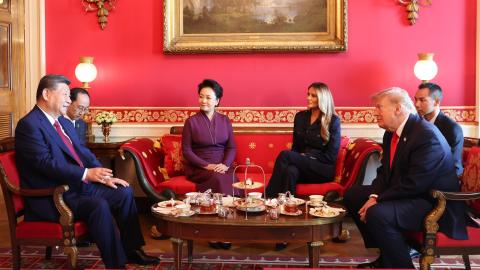
習近平此次訪問華盛頓,迎接他的是盛大的國事禮遇、川普總統的溢美之詞,以及「戰略穩定」的種種說法。然而,在這些外交排場之下,有一個冷峻的戰略現實始終沒有改變:美國與中共統治下的中國,依然是彼此強大的戰略對手,因為雙方對世界秩序的基本構想,從根本上就互不相容。
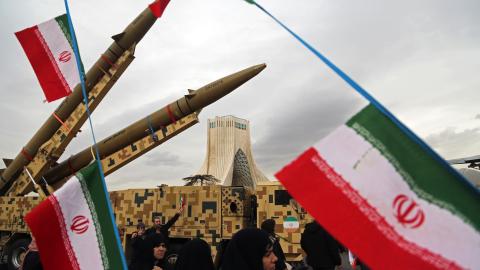
中共至今仍把美國的力量稱為「霸權主義」,認為美國注定在阻礙中國崛起,也阻礙北京建立其所追求的、以中國為中心的國際秩序。就在訪美前幾個星期,習近平本人還在使用這套語言。
與此同時,美國仍在西太平洋強化盟友體系、迅速提升軍事嚇阻能力與經濟安全措施,而其中相當一部分,正是為了制衡中國日益擴張的全球力量。就在習近平專機抵達安德魯斯聯合基地前幾天,美國司法部起訴華為為犯罪組織的案件也剛剛在紐約開庭。
所以,川普給予習近平的盛大歡迎,絕不能被誤讀為美國在戰略上對中國示弱。
星期三,習近平抵達安德魯斯聯合基地。美國國歌奏響之際,兩架B-1B戰略轟炸機從上空呼嘯而過。第二天在白宮,一架B-2「幽靈」隱形戰略轟炸機飛越上空,並由四架F-22「猛禽」戰鬥機伴飛。B-2正是美國打擊伊朗核設施時所使用的同型轟炸機。整場歡迎儀式共有近480名美軍官兵參加。
這當然是外交禮遇。但這也是一場以展示美國軍事、經濟與科技實力為背景的外交禮遇。
峰會期間文化上的象徵意味同樣耐人尋味。
白宮國宴演奏了《悲慘世界》的音樂。其中的〈你可聽見人民的歌聲?〉(Do You Hear the People Sing?),曾是2019至2020年的香港反抗中共爭取自由運動中的街頭戰歌進行曲。
席間還演奏了鄧麗君唱紅的《月亮代表我的心》。
鄧麗君從來不只是一位流行歌手。她的歌曲曾被中共斥為「精神污染」,卻從台灣透過電波傳向中國大陸。在冷戰年代,她的歌聲代表著另一個華人世界——一個不受北京共產黨統治的華人世界。她拒絕前往中共統治下的中國演出,也曾公開聲援1989年的天安門民主運動。
在一場招待中共最高領導人的白宮國宴上,很難想像還有比這更具歷史反諷意味的音樂安排。
就連國事訪問期間演奏的《茉莉花》,也不是什麼「紅色歌曲」。它是一首流傳數百年的中國民間樂曲,其歷史遠早於中共政權;浦契尼 (Puccini)更曾把《茉莉花》的著名的旋律融入歌劇《杜蘭朵公主》(Turandot)。
這裏面的寓意十分重要:中國遠比中共古老,也遠比中共偉大。
這種象徵意義在美國國家檔案館繼續上演。
川普帶著一個列寧主義政黨的最高領導人,去觀看美國的《獨立宣言》、《憲法》和《權利法案》——這些文件代表的,恰恰是有限政府、個人自由與人民主權,是與列寧主義政治傳統截然不同的立國原則。
還有1951年的《舊金山和平條約》。
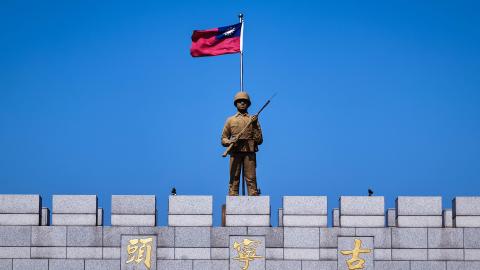
這是一份北京寧願世界以另一種方式記住的歷史文件。根據條約,日本放棄對台灣及澎湖列島的「一切權利、權利名義與要求」,卻沒有在條約中把台灣主權移交給中國。
北京長期拒絕承認這項條約的合法性。無論人們如何看待台灣最終的法律地位,《舊金山和平條約》的存在至少說明一件事,即中共所堅稱的「中國對台灣擁有主權,是國際社會早已確定、毫無爭議的歷史事實」,並沒有那麼簡單。因爲事實並非如此。
台灣問題本身也呈現出另一個值得注意的對比。
習近平要求川普超越美國歷來「不支持台灣獨立」的政策表述,進一步明確宣布「反對台灣獨立」。但川普對這兩個話題都拒絕公開宣布作出任何讓步。
雙方使用的語言,也形成鮮明對照。
習近平講的仍是那些熟悉的抽象口號和黨八股:和平共處,以及年復一年被重複使用的「合作共贏」。
華盛頓講的,卻愈來愈是數字、期限和具體落實的措施:
貿易休戰延長到2027年1月10日;中國每年至少購買170億美元美國農產品;恢復美國牛肉與家禽產品的市場准入;2027年和2028年各購買1,000萬公噸美國煤炭;雙方各有300億美元商品適用特定關稅安排;以及稀土和關鍵礦產必須有具體、可以驗證的交付。
但華盛頓必須牢記一點:承諾不是履約。北京先前作出的若干承諾至今仍未完全兌現,包括購買波音飛機與美國農產品。
因此,這次華盛頓峰會並沒有產生什麼宏大的戰略交易。兩位領導人基本上只是同意繼續談下去。
但這次峰會還有另一個重要訊息,而這個訊息是說給日本聽的。
美中關係固然佔據了外交舞台的中央,但川普同時也刻意強化美日條約同盟。
就在會見習近平的前一天,川普在聯合國與日本首相高市早苗舉行了一場高度公開的會晤。雙方討論了中國、人工智慧、半導體、關鍵礦產、軍事嚇阻、「四方安全對話」(Quad),以及自由開放的印度太平洋。
習近平剛剛啟程回國,前脚一走,高市早苗便直接從她口中的「親愛的唐納德」那裡,獲得了有關美中峰會的詳細說明。
這幅戰略圖景,習近平不可能看不懂:中國得到的是總統級的盛大排場;日本得到的,則是美國最重要的印太盟友地位,以及作為美國在亞洲維持力量與影響力之基石的戰略角色。
戰略穩定需要戰略耐心,也需要謀略。川普一生都在強硬討價還價的世界裡打滾——從紐約房地產,到賭場,再到娛樂產業。他很清楚,笑臉與實力從來不是互相矛盾的。
美國現在需要的,正是胡蘿蔔與大棒並用。
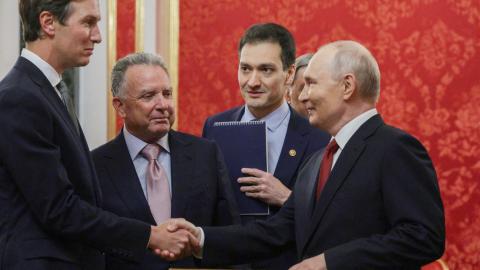
川普可以扮演外交上的「好警察」,保持最高領導人之間的直接溝通,並在中國作出可以衡量、可以驗證的實際履約時給予相應回報。
但他的政府裡也有馬可・魯比歐,司戈特・北森特和皮特・赫格塞斯這樣的内閣官員,可以在北京拒不履約時扮演更強硬的角色。
中國當然也有籌碼,尤其是在稀土和關鍵礦產方面。但依賴從來不是單向的,而且雙方的依賴並不對稱。
中國仍然高度依賴美國消費市場、先進科技、金融力量,以及一套由全球經濟網絡和盟友體系所構成、而美國至今仍擁有巨大影響力的國際體系。
華盛頓手中的籌碼,遠比那些習慣性悲觀的人所想像的更多。問題只在於美國願不願意使用這些籌碼?
所以,這場峰會傳遞的訊息,不是美國開始對中國軟弱。也不是什麼「美中友誼」。它所展現的,是一種更微妙、也可能更有效的戰略,也就是:
對習近平微笑。帶他去看美國憲法。讓他聽鄧麗君,也讓他聽浦契尼。讓B-1B和B-2戰略轟炸機從他頭頂飛過。要求北京交出日期、數量和履約成果。然後,把大棒放在伸手可及的地方。
美中關係變化越多,不變的也越多。
習近平主席在盛大的儀式、總統的讚揚和關於「戰略穩定」的言論中抵達華盛頓。然而,在儀式背後隱藏著一個殘酷的現實:美國和共產主義中國仍然是強大的戰略對手,因為它們對世界秩序的願景從根本上來說仍然不相容。
中國共產黨繼續將美國實力描繪成“霸權主義”,認為它阻礙了中國的崛起及其所倡導的以中國為中心的世界秩序。習近平主席在抵達華盛頓前幾週就使用了同樣的措詞。
同時,美國持續加強聯盟、軍事威懾和經濟安全措施,這些措施在很大程度上是為了遏制中國的全球影響力。 (就在習近平主席抵達安德魯斯聯合基地前幾天,美國司法部指控華為為犯罪組織,華為的審判在紐約開庭。)
因此,不應將川普先生對習近平先生的盛大歡迎誤解為戰略軟弱。
週三,在安德魯斯聯合基地,兩架B-1B轟炸機在國歌演奏時從上空呼嘯而過,迎接習近平主席的到來。第二天,在白宮,一架B-2「幽靈」戰略轟炸機——與用於轟炸伊朗核設施的同型號轟炸機相同——在四架F-22「猛禽」戰鬥機的伴飛下飛過。近480名美軍人員參加了歡迎儀式。
這當然是熱情好客——但這種熱情好客是在美國軍事、經濟和技術實力的鮮明背景下展現出來的。
其文化象徵意義同樣引人注目。
國宴上演奏了音樂劇《悲慘世界》中的曲目,其中革命歌曲《你可聽見人民在歌唱? 》成為了2019-2020年香港抗議運動的街頭頌歌。此外,也演奏了由台灣歌手鄧麗君演唱的《月亮代表我的心》。
鄧麗君遠不止是一位流行歌手。她的音樂曾被共產中國斥為「精神污染」,卻從台灣傳遍大陸,成為冷戰時期北京統治之外的中華文化象徵。鄧麗君拒絕了在共產中國演出的邀請,並公開支持1989年的天安門事件。
在白宮為中共最高領導人舉辦的晚宴上,很少有音樂選擇能比這更具歷史諷刺意味。
即使是國事訪問期間演奏的《茉莉花》,也不是共產主義頌歌。這是一首古老的中國民謠,比共產主義統治早幾個世紀,並被普契尼的歌劇《圖蘭朵》廣泛運用。
差別很重要:中國比中國共產黨歷史悠久,國力也更強大。
象徵意義在國家檔案館得以延續。川普先生帶著一位列寧主義政黨的領導人參觀了美國的《獨立宣言》、《憲法》和《權利法案》——這些文件是有限政府、個人自由和人民主權的文獻基礎。
此外,還有1951年的《舊金山和約》,北京希望世人對這份文件的記憶有所不同。日本放棄了對台灣和澎湖列島的“一切權利、所有權和主張”,但並未將主權移交給中國。
北京長期以來一直拒絕承認該條約的合法性。無論人們如何解讀台灣的最終法律地位,該條約都使中共堅持的「中國對台灣擁有主權是國際公認的歷史事實」的說法變得複雜化。事實並非如此。
台灣局勢本身也呈現出截然不同的景象。習近平敦促川普超越美國以往「不支持」台獨的傳統表態,明確反對台獨。而川普並未公開做出任何讓步。
其次,雙方使用的語言也截然不同。
習近平主席依然老調重彈,空談和平共處,一再虛偽地承諾「互利共贏」。而華盛頓方面則越來越注重數字、期限和執行:將貿易休戰期延長至2027年1月10日;每年至少購買170億美元的美國農產品;恢復美國牛肉和家禽的市場准入;2027年和2028年分別購買1000萬噸美國煤炭;對價值300億美元的雙向貨物減少稀產;
然而,華盛頓絕不應將承諾與實際行動混為一談。先前的承諾仍未兌現,包括中國購買波音飛機和美國農產品等。
華盛頓峰會並未達成任何重大戰略協議。兩位領導人基本上同意繼續談判。
那週還有另一個重要訊息,這則訊息是發給日本的。
儘管美中關係成為外交舞台的焦點,但川普總統卻顯著加強了美國與東京的條約同盟關係。在與習近平主席會晤前兩天,美國總統在聯合國與日本首相高市早苗舉行了備受矚目的會晤。他們討論了中國問題、人工智慧、半導體和關鍵礦產領域的合作、威懾、四方安全對話機制以及自由開放的印太地區。
習近平先生剛啟程回國,高市女士就直接從「親愛的唐納德」那裡收到了關於峰會的詳細簡報。
習近平不可能忽略更大的情況:中國獲得了總統大選的盛大場面,而日本仍然是美國在印太地區的主要盟友,也是美國在該地區實力和影響力的基石。
戰略穩定需要戰略耐心和謀略。川普先生一生都在爾虞我詐的領域周旋,從紐約房地產到賭場和娛樂業,無所不包。他深諳友好待人與炫耀實力並非一回事。
美國現在需要胡蘿蔔加大棒。
川普先生可以扮演外交上的「好警察」角色,保持領導人之間的溝通暢通,並對中國實際履行承諾給予獎勵。然而,他的政府中也有像馬可·盧比奧和皮特·赫格塞斯這樣的官員,當北京方面未能兌現承諾時,他們可以扮演更強硬的角色。
中國擁有一定的影響力,尤其是在稀土和關鍵礦產領域,但這種依賴關係是雙向的,而且是不對稱的。中國仍然高度依賴美國的消費者、先進技術、經濟實力以及美國仍然擁有巨大影響力的全球經濟和聯盟體系。
華盛頓擁有的影響力遠超過那些慣於悲觀的人的想像。問題在於它是否願意運用這種影響力。
峰會傳遞的訊息並非對華軟化,也並非友好姿態,而是更為微妙、或許也更為有效的策略:對習近平微笑,向他展示憲法,播放鄧麗君的歌劇和普契尼的曲子,讓B-1B和B-2轟炸機飛越上空,要求中國給出日期、數量和執行情況,並始終保持警惕,不讓武力威脅。
Trump, Xi, and the Iron Reality Beneath the Pageantry
Do not mistake a spectacular welcome for strategic softness.
The more U.S.-China relations change, the more they remain the same.
Xi Jinping came to Washington amid extraordinary pageantry, presidential compliments and talk of “strategic stability.” Yet beneath the ceremony lies an iron reality: The United States and communist China remain formidable strategic adversaries because their visions of world order remain fundamentally incompatible.
The Chinese Communist Party continues to portray American power as “hegemonism,” obstructing China’s rise and its preferred Sino-centric order. Mr. Xi used precisely that language weeks before arriving in Washington.
The U.S., meanwhile, continues to strengthen alliances, military deterrence and economic security measures designed, in significant part, to counter China’s global power. (The court trial of Huawei, charged by the Justice Department as a criminal organization, started in New York just days before Mr. Xi landed at Joint Base Andrews.)
That is why Mr. Trump’s spectacular welcome for Mr. Xi should not be mistaken for strategic softness.
At Joint Base Andrews on Wednesday, two B-1B bombers roared overhead as the national anthem played during Mr. Xi’s arrival ceremony. The next day at the White House, a B-2 Spirit — the same type of strategic bomber employed against Iran’s nuclear facilities — flew over, accompanied by four F-22 Raptors. Nearly 480 American military personnel participated in the welcome ceremony.
It was hospitality, certainly — but hospitality staged against an unmistakable backdrop of American military, economic and technological power.
The cultural symbolism was equally remarkable.
The state dinner included music from “Les Miserables,” whose revolutionary anthem “Do You Hear the People Sing?” became the street anthem of Hong Kong’s 2019-2020 protest movement. It also featured “The Moon Represents My Heart,” immortalized by Taiwan’s Teresa Teng.
Teng was far more than a pop singer. Her music, once condemned as “spiritual pollution” in communist China, was broadcast from Taiwan toward the mainland and became a Cold War cultural symbol of a Chinese world beyond Beijing’s rule. Teng rejected invitations to perform in communist China and publicly supported the 1989 Tiananmen protesters.
Few musical choices could have carried more historical irony at a White House dinner honoring the CCP’s supreme leader.
Even “Jasmine Flower,” performed during the state visit, was no communist anthem. It is an old Chinese folk melody, predating communist rule by centuries and famously incorporated into Puccini’s “Turandot.”
The distinction matters: China is older and greater than the CCP.
The symbolism continued at the National Archives. Mr. Trump took the ruler of a Leninist party to see America’s Declaration of Independence, Constitution and Bill of Rights — the documentary foundations of limited government, individual liberty and popular sovereignty.
Then there is the 1951 San Francisco Peace Treaty, a document Beijing would prefer the world to remember differently. Japan renounced “all right, title and claim” to Taiwan and the Pescadores without transferring sovereignty over them to China.
Beijing has long rejected the treaty’s legitimacy. Whatever one’s interpretation of Taiwan’s ultimate legal status, the treaty complicates the CCP’s insistence that Chinese sovereignty over Taiwan is an internationally settled historical fact. It is not.
Taiwan itself produced another revealing contrast. Mr. Xi pressed Mr. Trump to go beyond America’s traditional formulation of “not supporting” Taiwan independence and explicitly oppose it. Mr. Trump offered no publicly announced concession.
Then there was the radically different language used by the two sides.
Mr. Xi offered the usual abstractions: peaceful coexistence and the perennial disingenuous promise of “win-win” relations. Washington increasingly spoke the language of numbers, deadlines and implementation: an extension of the trade truce to Jan. 10, 2027; at least $17 billion annually in American agricultural purchases; restored market access for American beef and poultry; 10 million metric tons of American coal in both 2027 and 2028; tariff treatment for $30 billion in goods in each direction; and concrete delivery of rare earths and critical minerals.
Still, Washington should never confuse promises with performance. Earlier commitments remain incomplete, including Chinese purchases of Boeing aircraft and American agricultural products.
No grand strategic bargain emerged from the Washington summit. The two leaders essentially agreed to keep talking.
There was another important message that week, and it was directed toward Japan.
While U.S.-China relations provided the diplomatic theater, Mr. Trump conspicuously reinforced America’s treaty alliance with Tokyo. Two days before meeting Mr. Xi, the American president held a highly visible meeting with Prime Minister Sanae Takaichi at the United Nations. They discussed China, cooperation on artificial intelligence, semiconductors and critical minerals, deterrence, the Quad and a free and open Indo-Pacific.
No sooner had Mr. Xi departed for home than Ms. Takaichi received a detailed briefing on the summit directly from “Dear Donald.”
The larger picture could hardly have been lost on Mr. Xi: China gets presidential pageantry, and Japan remains America’s principal Indo-Pacific ally and the cornerstone of America’s power and influence in the region.
Strategic stability requires strategic patience — and wiles. Mr. Trump has spent a lifetime bargaining in hard-edged worlds, from New York real estate to casinos and entertainment. He understands that cordiality and displays of power and strength are not synonymous.
America now needs both carrot and stick.
Mr. Trump can play diplomatic good cop, keeping leader-to-leader communication open and offering rewards for measurable Chinese compliance. Yet his administration also contains officials — such as Marco Rubio and Pete Hegseth — who can play the harder role when Beijing fails to deliver.
China has leverage, especially in rare earths and critical minerals, but dependence runs both ways and asymmetrically. China remains enormously dependent on American consumers, advanced technologies, financial power and a global economic and alliance system in which the U.S. still exercises extraordinary influence.
Washington has far more leverage than its habitual pessimists imagine. The question is whether it is willing to use it.
The summit’s message was not going soft on China. Nor was it friendship. It was something subtler and potentially more effective: Smile at Mr. Xi. Show him the Constitution. Play Teresa Teng and Puccini. Fly the B-1Bs and B-2s overhead. Demand dates, quantities and compliance. And keep the stick within reach.

留言
張貼留言