顯示具有 女性 標籤的文章。 顯示所有文章

恐怖之間的友誼:古拉格的女囚犯文化


恐怖之間的友誼:古拉格的女囚犯

菲比·塔普林
RBTH特別
飢餓、體罰和性騷擾——這只是古拉格婦女苦難的開始。資料來源:Getty Images / Fotobank

飢餓、體罰和性騷擾——這只是古拉格婦女苦難的開始。資料來源:Getty Images / Fotobank

在Pinterest上關注俄羅斯之外
亞歷山大·索爾仁尼琴的《古拉格群島》和瓦爾拉姆·沙拉莫夫的《科雷馬故事》是古拉格倖存者最著名的敘事作品。女囚犯的回憶錄一般不太為人所知,但它們讓讀者對一個可怕的歷史時代有一個新的、難忘的一瞥。

對蘇聯各地勞改營生活的描述包括強姦和賣淫、嬰兒死亡和殘酷審訊。但除了許多恐怖之外,還有關於愛和友誼、堅韌和足智多謀的令人驚訝和鼓舞人心的故事。這些極端情況在勞改營倖存者所寫的書中以生動而難忘的細節展現出來。

“我們歷史上最血腥的一頁”

古拉格(GULAG) 最初是一個縮寫詞,意為「主集中營管理局」(Main Camp Administration),但後來它開始代表斯大林於1929 年擴大的整個監禁和強迫勞動制度,並一直發展到他1953年去世。有數百萬人被迫遷移。條件很糟糕。死亡率很高。但“最終,”阿普鮑姆寫道,“統計數據永遠無法完全描述所發生的事情。”我們只能透過閱讀倖存者的目擊者描述來開始理解數字背後的痛苦。

俄羅斯婦女塔瑪拉·佩特克維奇 (Tamara Petkevich) 在勞改營度過了七年。在她的自傳《古拉格女演員回憶錄》中,她提到了一位最終入獄的前內務人民委員部(安全部門)官員。佩特克維奇寫道:“我們歷史上最血腥的一頁牢牢地投射到了這位官員的惡化意識上。”他四處遊蕩,口中念著槍殺、流放或逮捕「莫斯科所有婦女」的瘋狂法令,最後持斧頭髮狂,砍下四肢,「血流四溢」。一位女醫生最後用命令的聲音阻止了他:「判決書呢?法庭什麼時候開庭的?這個瘋狂的插曲是一個無意義時代的微觀隱喻。

尤金尼婭·金茲堡 (Eugenia Ginzburg) 是喀山的教授,她將在蘇聯戰俘營系統中度過 18 年。她的回憶錄《走進旋風》描述了突顯恐怖的平凡細節,例如在污水桶上清洗胸罩,或用「從晚上燉菜中提取的」魚骨針補補它。

在括號裡,她寫下了一位名叫娜迪亞(Nadya)的平靜、隨和的女人倒在冰凍地面上的那一刻,彷彿這沒什麼了不起的,那是北極西伯利亞的一個“科雷馬的紫色夜晚」。警衛用步槍戳她的身體,並大聲叫她站起來,直到其他一名囚犯指出她已經死了。

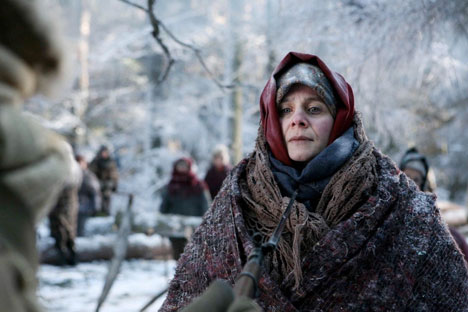
德國拍攝的《旋風中》的截圖。資料來源:kinopoisk.ru

性與分娩

有些婦女因為勞教所沉悶的生活而感到沮喪,她們想方設法與勞教所官員交換性恩惠,以換取更好的食物和生活條件。然而,並不是每個人都屈服於這種誘惑,這導致了其他囚犯的蔑視和敵意。

「他那雙凍傷的藍色雙手和彎曲的手指向我伸出,」金茲堡寫道。當有人向她提供性服務時,她挖苦地評論說,她以前只將賣淫問題視為社會問題或戲劇手段。

回憶錄作者大多因政治原因根據臭名昭著的刑法第 58 條被捕。佩特克維奇被貼上「人民敵人的女兒」的標籤,於 1943 年 20 歲出頭被捕。當她擊退文化教育部門的負責人時,他咆哮道:「你會腐爛的。你會跪在我腳下尋求幫助。

佩特克維奇後來描述了母親們如何與孩子分開,並回憶起一名囚犯脫光衣服,「咒罵發誓她又懷孕了,他們不得不讓她留下來」。警衛把她帶到了懲罰區,“之後很長一段時間裡,我們都聽到她的尖叫聲。”

“囚犯的幸福”

儘管困難重重,古拉格集中營的一些故事卻超越了野蠻。奧蘭多·費吉斯在其感人的書信史《Just Send Me Word》中記錄了列夫入獄後與斯維塔之間的關係。她冒著一切危險去探望他,並寄來救生必需品給他。他們互相寫的 1,500 封信是對人類精神的致敬。

最著名的古拉格友誼是詩人瑪麗娜·茨維塔耶娃的女兒阿里阿德娜·埃夫隆和阿達·費德羅夫之間的友誼,他們的回憶錄一起出版在一本名為《非強迫勞動》的書中。埃夫隆在一封信中寫道,她與費德羅夫的關係“經受住了十年生活條件的考驗,謝天謝地,其中的困難是你幾乎無法想像的。”費德羅夫描述了她在分居後再次見到“艾莉亞”的喜悅:“這就是囚犯的幸福,只是遇見一個人的幸福。”

幾本回憶錄描述了使用編碼敲擊在細胞之間進行溝通的方法。當金茲堡最終破解鄰居耐心重複的「問候」時,她可以透過牆壁的石板「感受到他的喜悅」。對於金茲堡來說,“沒有比在監獄裡建立的友誼更熱烈的了。”文學也成為了生命線。金茲堡背誦俄羅斯詩歌,創作並背誦自己的詩歌,問道:“當一切都是謊言時,該相信什麼?”

佩特克維奇成為一名演員,首先是在一個劇團中,在難民營中巡迴演出,最終走向了外界,她經常評論藝術的力量。她所講述的故事變得「比我自己的痛苦更有力量」。在一場戰俘營音樂會上,“整個大廳都在抽泣……我們已經忘記了音樂聽起來是什麼樣的。”

一塊拼圖

今年早些時候,備受推崇的英國獨立出版商珀耳塞福涅圖書公司推出了金茲堡的《走進旋風》的時尚新版本。對珀爾塞福涅的創始人尼古拉·博曼來說,金茲堡的回憶錄「應該與其他經典著作,如阿赫瑪托娃的《安魂曲》和納德日達·曼德爾施塔姆的《希望對希望》並駕齊驅。

阿普爾鮑姆寫道,理解「我們人性的陰暗面」至關重要。她堅持認為,每個故事和回憶錄「都是拼圖的一部分」。沒有他們,“有一天我們醒來時會意識到我們不知道自己是誰。”


在我們的文獻部分閱讀更多評論和綜述

俄羅斯報保留所有權利。


  • 訂閱

到我們的時事通訊!

將本週最佳故事直接發送到您的收件匣

我們在 Facebook 上擁有超過 240 萬粉絲。 加入他們吧!


Friendship among the horror: Female prisoners of the Gulag
Culture
July 01 2014Phoebe Taplinspecial to RBTH
Hunger, physical punishment and sexual harrasment - and that's only the beginning of the suffering for women in the GULAG. Source: Getty Images / Fotobank

Follow Russia Beyond on Instagram
Alexander Solzhenitsyn’s “Gulag Archipelago” and Varlam Shalamov’s “Kolyma Tales” are among the most famous narratives of the GULAG survivors. Memoirs by women prisoners are generally less well known, but they give readers a new and unforgettable glimpse into a terrifying historical era.
Accounts of life in the labor camps across the Soviet Union encompass rape and prostitution, dead babies and brutal interrogations. But besides the many horrors, there are also surprising and inspiring tales of love and friendship, resilience and resourcefulness. These extremes are shown in vivid and unforgettable detail in books written by women who survived the labor camps.

“The bloodiest page of our history”

Women of the Gulag

GULAG was originally an acronym meaning Main Camp Administration, but it has come to signify the whole system of imprisonment and forced labor that Stalin expanded in 1929 and which grew until his death in 1953. Anne Applebaum, in her comprehensive book “GULAG: A History”, estimates that between these dates “some 18 million people passed through this massive system,” with millions more compelled to migrate. Conditions were terrible; the death rate was high. But “in the end,” writes Applebaum, “statistics can never fully describe what happened.” We can only begin to comprehend the suffering behind the numbers by reading the eyewitness accounts of survivors.

Russian woman Tamara Petkevich spent seven years in labor camps. In her autobiographical “Memoir of a Gulag Actress” she mentions a former NKVD (security services) official who ended up in prison. “The bloodiest page of our history had firmly projected itself onto the aggravated consciousness of this functionary,” writes Petkevich. He wanders about muttering deranged decrees for shootings, exile or the arrest of “all the women of Moscow” and finally runs amok with an ax, hacking off limbs as “streams of blood gushed everywhere.” A female doctor eventually stops him by asking in a commanding voice: “Where’s the verdict? When did the court confer?” This crazy episode functions as a microcosmic metaphor for a senseless era.

Eugenia Ginzburg, a professor in Kazan, was to spend 18 years in the Soviet prison camp system. Her memoir, “Into the Whirlwind,” describes the mundane details that underline the horror, like washing her bra over the slop bucket, or darning it with fishbone needles “extracted from the evening stew.”

In parentheses, as though it were nothing remarkable, she writes about the moment when a peaceful, easy­going woman called Nadya collapses on the frozen ground, one “purple evening in Kolyma” in arctic Siberia. The guard prods her body with his rifle and shouts at her to get up until one of the other prisoners points out that she is dead.


A screenshot from German filming of 'Into the Whirlwind.' Source: kinopoisk.ru

Sex and childbirth

Crushed by the dreary life in labor camps, some women found ways to exchange sexual favors with the camp officials for better food and living conditions. Not everyone, though, succumbed to this temptation, which led to disdain and hostility from fellow prisoners.

“His blue, frost­bitten hands with their crooked fingers stretched out towards me,” writes Ginzburg. When she is offered money for sex, she comments wryly that she has previously encountered the question of prostitution only as a social problem or a theatrical device.

IN PICTURES: Solovetsky Islands, where ghosts of Gulag are still alive

The memoirists have mostly been arrested for political reasons under the infamous Article 58 of the penal code. Labeled as a “daughter of an enemy of the people,” Petkevich was arrested in her early 20s in 1943. A beautiful young woman, she was the target of frequent sexual assaults. When she fights off the head of the cultural­educational department, he growls: “You’ll rot. You’ll be groveling at my feet for help.”

Petkevich later describes how mothers were separated from their children and recalls one prisoner stripping herself naked and “cursing and swearing that she was pregnant again and that they had to let her stay.” The guards take her to the punishment block, “from where her screams reached us for a long time afterward.”

“Prisoners’ happiness”

Against all the odds, some of the stories that emerge from the Gulag transcend savagery. Orlando Figes, in his moving epistolary history “Just Send Me Word,” documented the relationship between Lev and Sveta after Lev is imprisoned. She risked everything to visit him and to send him life saving necessities. Their 1,500 letters to each other are a tribute to the human spirit.

The most famous Gulag friendship is that between Ariadna Efron, daughter of the poet Marina Tsvetaeva, and Ada Federolf, whose memoirs are published together in one volume called “Unforced Labors.” Efron wrote in a letter that her relationship with Federolf had “weathered the test of ten years of living in conditions, the difficulty of which you, thankfully, can barely imagine.” Federolf describes her delight at meeting “Alya” again after a separation: “There it is, prisoners’ happiness, the happiness of simply meeting a person.”

Advice on how to act in a crowd

Several memoirs describe the use of coded tapping to communicate between cells. When Ginzburg finally decodes her neighbor’s patiently repeated “g­r­e­e­t­i­n­g­s,” she can “sense his joy” through the stone slabs of the wall. For Ginzburg “there are no more fervent friendships than those made in prison.” Literature also became a lifeline. Ginzburg recites Russian poetry, composes and memorizes her own poems, asking: “What to trust / When all is lies?”

Petkevich, who became an actress, first with a theater ensemble collective, which toured the camps, and eventually in the outside world, often comments on the power of art. The story she recites becomes “more powerful than my own suffering.” At a prison camp concert, “the entire hall was sobbing ... we had forgotten what music sounded like.”

A piece of the puzzle

Earlier this year the cult UK independent publisher Persephone Books brought out a stylish new edition of Ginzburg’s “Into the Whirlwind.” For Nicola Beauman, founder of Persephone, Ginzburg’s memoir “should have a place next to other classics such as Akhmatova’s ‘Requiem’ and Nadezhda Mandelstam’s “Hope against Hope.’”

Applebaum writes about the crucial importance of understanding “the darker side of our own human nature.” Each story and memoir, she insists, “is a piece of the puzzle.” Without them, “we will wake up one day and realize that we do not know who we are.”


Read more Reviews and Round-ups in our Literature section
All rights reserved by Rossiyskaya Gazeta.

Russian historyread russia!gulagreviews and round-upsLiteratureViral in RussiaBookworm's blog
Subscribe

to our newsletter!

Get the week's best stories straight to your inbox

Enter your email
We've got more than 2,4 million followers on Facebook. Join them!

生活在荷屬東印度群島時代是怎樣的體驗?

這篇文章專門放了幾張婦女和女孩的照片,可以講述當時的日常生活。至少到 1947/1948 年為止。


1890 年代爪哇婦女的照片

來源 GR Lamberi and Co


1890 年代左右,米南加保的一名米南加保婦女

來源:澳洲國家美術館


照相館裡的女人肖像。這個女人的名字叫Marjani,Marjani 1886年出生於普禾加多,在荷蘭烏得勒支護士學校學習,最後嫁給了一名英國士兵並定居在印度。

圖片來源KITLV萊頓


1885 年至 1895 年間古代馬來婦女的面容

來源:澳洲國家美術館


1880年左右爪哇女孩的肖像

來源 KITLV Leiden - Kessian Cephas


1920-1930 年代巴厘島女性魅力肖像

來源 KITLV 萊頓


20 年代左右北蘇門答臘島卡羅部落女孩的肖像

來源特羅彭博物館


1890 年代泗水路邊女商人的肖像。

來源 KITLV 萊頓


1940 年爪哇女辣椒小販的肖像。

來源:Colectctie Tropen 博物館

1905 年左右爪哇女孩兌換硬幣的肖像


大約在 1910 年,西爪哇一位婦女在竹屋前編織的肖像。

來源:Hitt National Archief


大約在 1909 年,兩名荷蘭婦女帶著孩子坐在花車上迎接泗水橙色派對的肖像

來源斯帕內斯塔德照片


1900 年代西爪哇茶廠女工的肖像。

來源:Hitt National Archief


1920 年代,茂物 Ciliwung 種植園裡的女採茶女在工作後等待領取工資的照片。

來源 KITLV 萊頓


1938 年左右茂物一名婦女採摘茶葉的肖像

來源:澳洲國家美術館


1920 年,三寶壟一對中國夫妻的肖像。

來源:澳洲國家美術館


穿著日本和服的荷蘭諾麗肖像,這是 1915 年左右荷屬東印度群島的流行趨勢

來源 NGA/澳洲國家美術館


一群穿著和服的荷蘭婦女的肖像。巴達維亞,約 1930 年

來源 KITLV 萊頓


林家三名女孩穿著和服的肖像。地點:明古魯 Muara Aman,1936 年 7 月 15 日。

來源收藏熱帶博物館


1946 年左右,荷蘭士兵將髒衣服交給雅加達當地婦女的肖像

來源特羅彭博物館


1947 年 10 月 15 日,在加洛特地區第一次軍事侵略期間,荷蘭婦女(可能來自荷蘭紅十字會)的肖像,正在向居民分發衣服。

來源國家檔案館


1947 年左右在雅加達等待 Oplet

來源 荷蘭攝影博物館


1946 年至 1948 年左右在萬隆接受軍事訓練的 LASWI 或印尼女性拉斯卡的肖像

來源 Het Nationaal Archief / Acme Newspictures


KNIL女軍團肖像,合照。印度尼西亞,1947 年 2 月

來源國家檔案館


1947 年獨立戰爭期間,日惹 KRIS(蘇拉威西印尼人民服務隊)女性志願者的肖像。

來源斯帕內斯塔德照片


1948 年左右爪哇兩名攜帶武器的女性自由戰士的肖像

來源:Hitt National Archief


印尼國民軍和西利旺吉師的自由戰士即將前往中爪哇省時的肖像。有人看到幾名女戰士不穿鞋行進。黃銅,1948 年 2 月 8 日

資料來源 Kroeze, N / 國家檔案館


1948 年荷蘭第二次軍事侵略期間,一名荷蘭士兵在西蘇門答臘詢問或審問一名婦女。

來源:Fotocollectie dienst voorlegercontacten 印度尼西亞


1947 年,攝影師 Jaap Zindler 拍攝峇裡島一個村莊裡兩名原住民女孩編織的肖像

來源 荷蘭攝影博物館


1947 年印尼街頭兩個印尼女孩的肖像

來源:荷蘭攝影博物館,Cas Oorthyus


荷蘭諾麗背著麻袋的肖像,1945 年左右位於雅加達 Tjideng 巴達維亞的日本戰俘營位置

來源 The Life Photography 約翰·弗洛雷亞


印尼和歐洲婦女站在街道人行道上的肖像。約 1947 年

來源 荷蘭攝影博物館


普特里 (Putri) 和她的隨行人員在日惹宮殿的一間女廁(c.1928-1929)

來源:KITLV


馬裡奧波羅 1948

來源 KITLV


1947 年左右,三名女學生在雅加達 Huishoudschool 女子情報學校接受烹飪課的照片。

圖片來源荷蘭攝影博物館


關於女子智力學校

Foto profil untuk Athaa
Athaa
 · 1thn
Apa saja keahlian yang dibutuhkan setiap wanita?
Minimal keahlian sehari-hari, mengelola rutinitas dengan efisien. Sebenarnya masih tetap sama dari dulu sampai sekarang terkait keahlian sehari-hari. Namun sekarang lebih kompleks bedanya, karena tuntutan modernitas, waktu berjalan cepat, semua mengarah lebih spesifik. Kalau dulu ada sekolah kepandaian putri. Lumayan kan sehingga tidak sedikit-sedikit mager. Sekolah Kepandaian Putri (SKP) sendiri merupakan sekolah menengah pertama yang bersifat kejuruan. Sekolah ini memiliki tujuan untuk memberikan keterampilan sebagai bekal jika nanti hidup dalam rumah tangga. Pendidikan di Sekolah Kepandaian Putri (SKP) ditempuh selama 4 tahun. Jadi lulus bisa juga berwirausaha dari ilmu yang diperoleh. Sekolah Kepandaian Poetri, tahun 1945–1949 di Jakarta. Belajar memasak dengan aneka bahan dan teknik. Juga mendapat pelajaran ilmu gizi. Termasuk merawat peralatan dan memeliharanya. Juga mengatur segala perabot juga. Kalau sekarang belajarnya ke Marie Kondo. Keahlian tangan untuk melatih kesabaran dan motorik halus. Dulu pabrik belum seperti sekarang, termasuk bahan pakaian belum banyak terbantu dengan bahan polyester yang jadi bahan campuran seperti sekarang sehingga lebih terjangkau. Apalagi fast fashion. Dulu, hampir semua nenek/kakek dan ibu kita bisa menjahit. Karena keterbatasan keadaan. Boros jika harus menjahitkan juga. Lebih murah hasil karya sendiri. Namun, tidak seperti jaman dulu, sekarang, area ini beralih menjadi sebuah profesi khusus yang memerlukan ilmu lebih lanjut tidak sekedar bisa menjahit. Jauh banyak kemajuan karena masuk ke ranah bisnis hulu dan hilirnya. Sehat fisiknya karena jam istirahat dipakai bermain. Mainnya olahraga setiap harinya. Jadi belum terjajah nonton Drakor, enggak tahu Lee Dong Wook atau Jo In Sung. Sedikit gambaran kurikulum guru kala itu untuk mengajar Sekolah Kepandaian Putri melakukan penyerahan ijazah di Pegangsaan Timur Jakarta, menyelenggarakan acara "Penyerahan ijazah". Video SKP Makasar 1947. Saat tamu bule-bule mencoba menu masakan para siswi hasil dari praktik memasak. Gurunya ada yang bule juga. Jacoba Maria Eggink, guru kerajinan tangan (berdiri, kedua dari kiri) dan sebagian murid Sekolah Kepandaian Putri, di Yogyakarta, tahun 1938. Sumber Foto KITLV Leiden Sekolah Kepandaian Putri (SKP) memang sudah tidak sesuai lagi dengan tuntutan masyarakat, khususnya dalam bidang pendidikan kewanitaan, sehingga diganti menjadi Sekolah Kesejahteraan Keluarga Pertama (SKKP) yang dapat memenuhi tuntutan-tuntutan tersebut. Jadi ditutupnya sekolah ini menurut sebagian besar ahli adalah untuk beralih kepada pendidikan PKK Pendidikan Kesejahteraan Keluarga. Melalui beberapa penyesuaian tentunya. Namun, bisa disimak, diatas adalah keahlian dasar sehari-hari seperti memasak dengan mengerti masalah gizi, mengelola rumah hingga merawat segala asetnya, berkreasi dengan banyak pilihan sesuai minat, hingga dapat berkomunikasi dengan baik. Dengan cikal bakal tersebut sudah banyak memberikan perbaikan kualitas hidup bagi banyak keluarga. Kamis, 7 Desember 2023 Sumber

關於印度尼西亞還是荷屬東印度群島時的氣氛

Foto profil untuk Athaa
Athaa
 · 1thn
Bagaimana suasana Indonesia di tahun 1920-1930?
PART I Suasana di daerah Kalimantan. Waktunya setelah atau sekitar tahun 1930an awal. Foto asli dan setelah di warnai ulang. Wanita Kayan Suasana Tugu Jogja, 1920 Suasana Malioboro sekitar depan Hotel Garuda dimana Kereta Kiai Garuda Yaksa yang ditarik 8 kuda, bergerak dari Stasiun Kereta api Tugu menuju Kraton Yogyakarta. Gubernur Jenderal Belanda terakhir, yaitu Tjarda Van Starkenborgh sedang berkunjung ke Yogyakarta dari Batavia. Dalam kereta kencana ini juga duduk Sultan Hamengku Buwono VIII setelah menyambut kedatangan dalam upacara kenegaraan.1937. Jalan jogja solo 1920 lokasi pandan simping Prambanan Penumpang kereta api di stasiun Praboemoelih (Sumatera), 1932 Straatbeeld Medan Sumatra, 1936. Seperti di Eropa, pemandangan jalan di Medan Sumatera Utara Pedagang beras Ford de Kock (Bukittinggi) tahun 1930 Pemandangan Jalan Dari Magelang ke Semarang Sekitar 1925 (KITLV) Pasangan Pengantin Orang Rote Mungkin di Kupang 1927 Dua anak muda dengan sepedanya di Jawa tahun 1920 -1930 Suasana gaya Eropa di Jl.Braga kota Bandung. Dari tahun 1920 - 1930. Sultan Pontianak Syarif Muhammad Alkadrie mengenakan baju Melayu Telok Belanga dalam kesempatan kunjungan ke Negeri Belanda sekitar tahun 1930an. Anak-anak di pintu gerbang masjid di Grissee (Gresik). 1924 Sebuah trem melintasi kawasan Molenvliet --yang kemudian lebih dikenal dengan nama Harmoni-- dan penampakan hotel Des Galeries di sebelah kanan, Batavia, sekitar tahun 1935-1941. Setelah sekian lama terkubur, jalur trem yang mulai dibangun pada tahun 1871 tersebut diketemukan kembali saat penggalian sisi jalan Gajah Mada dalam proyek pembangunan Mass Rapid Transit (MRT) Fase 2A Glodok-Kota. Photo Bersama Orang Eropa di station Tjigombong - Bogor, 1930. Aktifitas nyuci baju di bantaran kaIi CiIiwung tahun 1925 🍒🍒🍒🍒🍒🍒🍒🍒🍒🍒🍒🍒🍒🍒🍒🍒🍒🍒🍒🍒🍒 PART II

2024 年 12 月 6 日星期五

宋卡府的個人資料照片
新增評論...
廣告
何塞的個人資料照片
 · 
跟隨
在我看來,蘇哈托是印尼歷史上的悲劇英雄。他成功地以武力奪取政權並阻止了更大規模的內戰,儘管必須承認在他統治期間存在嚴重侵犯人權的行為。然而,這種情況並非僅是印尼的專利;比照…
閱讀更多
Hampir 20an tahun ikutan dan lihat Orang tua aktif di yayasan sosial. Yang kejadian Agus begini ga heran. Banyak sekali kejadian cuma mungkin ini yang terbesar. Banyak nama mau mendompleng diatas penderitaan. Sebenarnya masalah sangat kecil tapi karena memang banyak orang rakus yah jadinya begini. Di…
Baca lebih lanjut
Sejauh mana tingkat kepuasan Anda terhadap pengalaman menggunakan feed beranda hari ini?
Tindakan ini membantu meningkatkan produk kami.
Tidak puas
Sangat puas
阿爾菲安·安東尼奧的個人資料照片
 · 
Mengikuti
Saya lebih tertarik pada proses perundingan dan suasana kebatinan para negosiator Republik Indonesia pada Konferensi Meja Bundar (KMB). Apakah semudah itu Indonesia menerima tekanan Belanda untuk membayar utang? Siapa yang berperan mengambil keputusan? Dari mana angka itu muncul? Untuk mengetahui hal…
Baca lebih lanjut
Sanrio Melody 的個人資料照片
 · 
Ikuti
Sikap Deddy Corbuzier Saat Gus Miftah Hina Penjual Es Teh Jadi Sorotan Jakarta, Deddy Corbuzier sebagai sahabat dekat Gus Miftah langsung menjadi sasaran netizen usai sang pendakwah mengolok-olok pedagang es teh viral di media sosial. Warganet mendesak sang mentalist untuk memberikan tanggapannya terk…
Baca lebih lanjut
Rufus Panjaitan 的個人資料照片
 · 
Mengikuti
Pertanyaan bagus: Dengan keterbatasan, sangsi dan embargo ekonomi yang melanda Iran, bagaimana negara tersebut mampu membiayai kelompok bersenjata sokongan pada 'Proxy War' mereka di Timur Tengah? Wah, sanksi dan embargo ekonomi ternyata punya banyak celah yang bisa dimainkan oleh Iran. 1. Iran bisa b…
Baca lebih lanjut
Farid Thoyib 的個人資料照片
 · 
Ikuti
1980年梭羅的種族暴動。事情始於 1980 年 11 月 19 日星期三,傑布雷斯·索羅 (Jebres Solo) Warung Pelem 地區一輛自行車撞倒行人的事件。基卡克或...
閱讀更多
伊曼·沙赫 (Iman Syah) 的個人資料照片
 · 
跟隨

選擇汪精衛中華帝國會像奧匈帝國鄂圖曼土耳其帝國一樣戰敗解體

選擇汪精衛 中華帝國會像奧匈帝國鄂圖曼土耳其帝國一樣戰敗解體 因為站錯了隊伍 北洋軍閥頭腦比汪精衛清楚 所以一戰才能拿回山東 孫文拿德國錢,他是反對參加一戰 選擇蔣介石, 中國將淪為共產主義國家 因為蔣介石鬥不過史達林 蔣介石即使打贏毛澤東 中國一樣會解體 中國是靠偽裝民族主義的...