原子彈與蘇聯入侵:是什麼促使日本決定投降?
第 5 卷 |第8期
文章 ID 2501
長谷川剛
第二次世界大戰結束後,美國人幾乎立即開始質疑原子彈的使用以及太平洋戰爭結束的情況。半個多世紀後,有關原子彈的書籍和文章仍然在讀者中引起激烈的爭論,原子武器的使用仍然是一個備受爭議的話題。正如 1995 年史密森國家航空航天博物館埃諾拉·蓋伊展覽引起的爭議所揭示的那樣,與廣島和長崎投下原子彈有關的問題繼續觸動美國人的敏感神經。學者之間的分歧依然激烈。但總體而言,這場爭論出奇地狹隘,幾乎完全集中在美國領導層如何做出投下炸彈的決定。
這段史學有兩個明顯的空白。首先,關於原子彈,正如日本淺田貞夫正確地觀察到的那樣,美國歷史學家把注意力集中在使用原子彈背後的「動機」上,但「卻忽視了原子彈的影響」[2]。學家已經意識到原子彈和蘇聯參戰的決定性影響,但他們在很大程度上迴避了蘇聯因素,將其降級為次要地位。
兩位歷史學家淺田貞夫和理查德·弗蘭克最近直面這個問題,他們認為廣島原子彈爆炸對日本投降決定的決定性影響比蘇聯參戰更具決定性影響。本文挑戰了這個觀點。它認為:(1)長崎原子彈爆炸對日本的決定沒有太大影響; (2)在廣島原子彈爆炸和蘇聯參戰這兩個因素中,蘇聯入侵對日本投降決定的影響更為重要; (3)儘管如此,原子彈和蘇聯參戰都沒有對日本投降決定產生直接、決定性和立竿見影的「致命一擊」; (4)日本決定投降的最重要、最直接的原因是由一小部分日本統治精英策劃的天皇的「神聖決定」; (5)根據該小組的計算,蘇聯參戰比原子彈提供了更強大的動機,促使其透過接受《波茨坦公告》規定的條件來尋求結束戰爭。此外,透過提出反事實假設,我認為,在沒有原子彈的情況下,蘇聯單獨參戰日本可能會導致日本在 11 月 1 日之前投降,但如果蘇聯沒有參戰,僅靠原子彈就不會導致日本投降。已經做到了這一點。最後,我認為,如果美國總統哈里·杜魯門尋求斯大林在《波茨坦公告》上的簽名,並且杜魯門如戰爭部長亨利·史汀生最初建議的那樣,在《波茨坦公告》中納入君主立憲制的承諾,戰爭可能會更快結束,可能沒有向日本投下原子彈。
一:廣島原子彈對日本投降決定的影響
為了討論原子彈對日本投降決定的影響,我們必須分別檢視三個問題:(1)廣島原子彈的影響; (2) 長崎原子彈的影響; (3) 兩種炸彈的綜合效果。
讓我們先來看看廣島原子彈的影響。為了證明廣島原子彈對日本的決定有決定性影響,淺田和法蘭克使用了以下證據:(1)8月7日的內閣會議; (2) 掌璽大臣木戶光一就8月7日天皇言論發表的證詞; (3) 8 月 8 日天皇向外務大臣東鄉重德發表的談話。
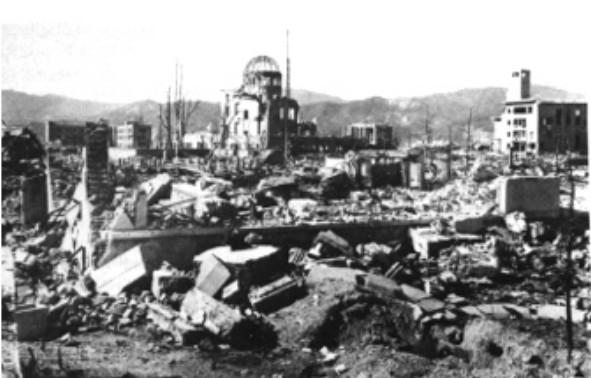
 廣島原子彈爆炸
8月7日內閣會議
淺田和法蘭克認為,8月7日的內閣會議是一個關鍵的轉捩點。淺田認為,外務大臣東鄉重德認為,“新武器的出現使整個軍事形勢發生了巨大的變化,為軍隊結束戰爭提供了充分的理由”,因此建議“在波茨坦公告[公告] 中提出的條款。 」[5] 法蘭克寫道:「多哥從美國有關原子彈破壞力『新的革命性成長』的聲明中提取出接受波茨坦公告的理由。
如果這些論點是正確的,那麼政策確實發生了根本性的變化,至少在多哥方面,如果不是整個內閣的話,廣島原子彈對多哥的思想產生了決定性的影響,因為在此之前他一直主張起訴在考慮接受《波茨坦公告》之前,先透過莫斯科的調解實現和平。然而,多哥在回憶錄中並未將這次內閣會議描述為決定性的轉捩點。以下是他對內閣會議的全部說法:「7日下午,召開了內閣會議。陸軍部長和內政部長宣讀了他們的報告。軍隊似乎將炸彈的影響降到最低,但不承認這是原子彈,並堅稱有必要進行進一步調查。
提及多哥堅持接受《波茨坦公告》的唯一消息來源是內閣大臣迫水久恆在戰後審訊中提供的證詞。為東京審判做準備而採訪多哥的大井篤引用迫水的證詞,詢問他所謂接受波茨坦條款的提議。多哥回答說:「我報告說,美國正在廣播原子彈將為戰爭帶來革命性的改變,除非日本接受和平,否則它將在其他地方投下原子彈。陸軍…試圖將其影響降到最低,稱他們不確定這是否是原子彈,而且由於它派出了一個代表團,因此必須等待其報告。了美國的消息。也許他只是透過報導杜魯門的訊息來表達他傾向於考慮《波茨坦公告》。但當遭到陸軍部長阿南是親的強烈反對(他將美國的原子彈訊息視為純粹的宣傳)時,多哥毫不猶豫地接受了阿南的建議,等待代表團提交正式調查結果。據迫水回憶錄稱,日本應透過國際紅十字會和瑞士使館對美國使用原子彈嚴重違反禁止有毒氣體的國際法提出強烈抗議,並獲得內閣同意。迫水進一步寫道:“有人主張通過接受《波茨坦公告》來迅速結束戰爭”,但考慮到陸軍的反對,內閣只是決定派調查小組前往廣島。
換句話說,在8月7日下午,即原子彈投向廣島的第二天,內閣和多哥本人都不認為有必要改變政策,儘管大多數內閣成員已經知道原子彈是在廣島投下的。原子彈,而且除非日本投降,否則可能會向日本其他城市投下許多原子彈。事實上,內閣不但沒有考慮接受波茨坦條款,反而公然對美國更加好鬥,決定對使用原子彈提出正式抗議。
8月7日天皇說了什麼?
廣島投下原子彈的消息早在8月7日一早就已經傳達給了天皇,但木戶直到中午才得知。木戶在帝國圖書館與天皇進行了異常長時間的覲見,從 1 點 30 分一直持續到 2 點 05 分。木戶的日記寫道:「天皇表達了他對如何處理當前局勢的威嚴觀點,並提出了各種問題。」[10]但木戶的日記沒有提及天皇的觀點是什麼以及他提出了哪些問題。後來,木戶回憶道,裕仁曾告訴他:「既然事情已經陷入僵局,我們必須向不可避免的事情低頭。無論我的安全發生什麼,我們都應該立即結束戰爭,以免再次發生這樣的悲劇。 「日本最重要的和平倡導者,在表達他對和平的願望時越來越清晰和緊迫。」[12]然而,弗蘭克不同意淺田將天皇描述為“最重要的和平倡導者”,認為他有時會在是否或日本不應在接受《波茨坦公告》時附加一個以上的條件。

木戶光一
木戶對天皇對廣島原子彈的反應的描述必須保留態度。作為裕仁最親密的顧問,木戶孜孜不倦地創造了一個神話,即天皇在結束戰爭中發揮了決定性作用。 1949 年 5 月 17 日,木戶在審訊中的證詞旨在塑造仁慈天皇拯救日本免於進一步災難的形象。裕仁提出的「自我犧牲」與他在那關鍵日子裡的行為和想法並不相符。值得注意的是,7月30日,也就是裕仁收到《波茨坦公告》的三天后,他最關心的是伊勢神宮象徵皇室的「三件神器」的安全。同時,從《波茨坦公告》到廣島原子彈爆炸的十一天裡,有超過一萬名日本人被美國的燃燒彈炸死。裕仁希望阻止自己承擔風險進一步犧牲他的「孩子」( sekishi )的願望聽起來並不真實。與淺田的說法相反,裕仁的首要任務是保護皇室。他隨後的行為也沒有顯示裕仁是最堅定、最明確的立即和平倡導者。在這裡,弗蘭克的懷疑比淺田的結論更接近事實。
天皇8月8日向多哥發表的演說
8月8日上午,外相東鄉重典前往皇宮覲見天皇。據淺田說,多哥利用美國和英國的廣播“支持他的論點”,敦促天皇同意盡快結束戰爭,“當然,條件是保留天皇制度”。裕仁表示同意並回答:
現在這樣的新武器出現了,戰爭繼續下去的可能性越來越小了。我們現在絕不能錯過透過[與盟軍討價還價,淺田補充道]以獲得更有利條件來結束戰爭的機會。此外,無論我們就我們想要的[投降,淺田補充道]條款進行了多少磋商,我們都無法達成協議。所以我的願望是做出這樣的安排,盡快結束戰爭。
淺田從這份聲明中得出結論:“天皇表達了他的信念,即迅速投降是拯救日本的唯一可行途徑。”裕仁敦促多哥“盡最大努力立即結束戰爭”,並要求外相向首相鈴木勘太郎轉達他的願望。 「按照天皇的意願,多哥會見了鈴木,並提議,『考慮到廣島原子彈爆炸,盡快召開最高戰爭會議。』」[16]弗蘭克的解釋遵循了淺田的基本假設。法蘭克表示,“多哥呼籲根據《波茨坦宣言》立即結束戰爭”,但與淺田不同的是,他聲稱裕仁“個人仍然不願簡單地接受《波茨坦宣言》。”[ 17]
然而,這裡的關鍵問題涉及廣島原子彈對天皇的影響。淺田和法蘭克都認為,多哥與天皇的會面是兩人決定按照《波茨坦公告》規定的條件立即結束戰爭的關鍵轉折點。然而,這個論點並不能令人信服。
多哥引述皇帝的話說:“我們現在不能錯過通過討價還價獲得更有利條件來結束戰爭的機會。”淺田在“討價還價”之後的括號中加上了“與盟軍”這句話,讀作:“我們現在決不能錯過通過[與盟軍]討價還價來獲得更有利條件來結束戰爭的機會。”淺田認為這意味著天皇希望透過接受《波茨坦公告》來結束戰爭。然而,將這裡的隱含意義解釋為「與同盟國討價還價」是否正確?正如我在下文所述,多哥就在前一天向日本駐蘇聯大使佐藤直武發出了一份緊急電報,指示後者獲取莫斯科對近衛文麻呂親王使命的答复。值得一提的是,日本政府決定暫緩對《波茨坦公告》做出判斷,正是因為它把最後的希望寄託在莫斯科的調解上。當時日本政府在跟誰討價還價?當然,正如淺田在括號中插入的那樣,這不是同盟國。當時日本唯一與之「討價還價」的一方是蘇聯,而不是同盟國,只要莫斯科調解的可能性似乎仍然存在,日本政府寧願暫緩對波茨坦條款做出判斷。裕仁的聲明並沒有改變這個立場。

近衛文麻呂
在廣島原子彈爆炸之前,多哥就已經確信,日本遲早必須接受波茨坦條款。廣島原子彈可能進一步堅定了他的信念。但值得重申的是,他並沒有主動扭轉先前的方針,也沒有提出與美國和英國進行直接談判。至於天皇,廣島原子彈可能促成了他結束戰爭的迫切願望,但如淺田所言,廣島原子彈爆炸後裕仁立即決定接受波茨坦條款的說法是錯誤的。
鈴木什麼時候決定終止戰爭?
淺田和法蘭克論證的另一個證據是鈴木首相的聲明。據淺田稱,8月8日晚,鈴木告訴迫水:「現在我們知道投在廣島的是原子彈,我將在明天的最高戰爭委員會上發表我對結束戰爭的看法。」[ [20]戰後,鈴木再次發表聲明:“原子彈為投降提供了額外的理由,也為開始和談提供了極其有利的機會。”從這些陳述中,淺田總結道:「迄今為止一直猶豫不決、像獅身人面像的鈴木終於下定了決心。值得注意的是,鈴木在第二天一早得知蘇聯參戰之前就這樣做了。
淺田的結論是根據1973年版的迫水回憶錄得出的,根據該回憶錄,鈴木深夜給迫水打電話,做出了淺田引用的說法。迫水解釋說,鈴木依靠其秘書編寫的準備文本來發表正式聲明。三頁後,迫水寫道:「奉鈴木首相之命,從8月8日晚開始,我一直在努力撰寫第二天的內閣會議首相聲明的文本」(強調是後加的)。 8月9日凌晨一點左右,同名通訊社的長谷川齋二打電話通知他蘇聯參戰的消息。
迫水 1973 年的回憶錄在時間安排上有嚴重的不一致之處。迫水在 1964 年出版的早期回憶錄中稱,他將 8 月 8 日晚間收到的仁科博士關於廣島原子彈的報告告知首相後,鈴木命令他召開最高戰爭委員會會議和內閣“明天8月9日,以便我們可以討論結束戰爭」。迫水直到8月9日凌晨2點才完成第二天會議的準備工作。最後,他上床睡覺,想著莫洛托夫和佐藤在莫斯科舉行的重要會面。直到凌晨三點,長谷川才打電話告訴他蘇聯對日宣戰的事。他 1964 年回憶錄中描述的時間線比 1973 年回憶錄中描述的時間線更有意義。根據長谷川的證詞,他直到8月9日凌晨4:00才給迫水打電話,詢問蘇聯宣戰的事,這一事實與迫水在1964年回憶錄中的說法相對應,但與1973年回憶錄中的說法不符。淺田稱他為獅身人面像的鈴木,此前曾多次私下吐露支持和平的觀點,但出於國內士氣的原因,他大肆宣揚好戰言論,這讓外務大臣不斷感到懊惱。原子彈的投下增強了鈴木尋求結束戰爭的決心,就像天皇的決心一樣。儘管如此,鈴木很可能會像其他人一樣希望透過莫斯科的調解來實現這一目標,正如迫水 1964 年的回憶錄所顯示的那樣。
更重要的是,淺田選擇忽略的證據。根據鈴木的傳記,首相在廣島原子彈爆炸後得出了明確的結論:除了結束戰爭別無選擇。然而,直到他得知蘇聯入侵滿洲時,他「終於確信結束戰爭的時刻終於到來了,因為我們一直害怕並不惜一切代價試圖避免的事情終於發生了」 [kitarubekimono ga kita]」。他認為“現在是實現皇帝願望的時候了”,“鑑於事態的緊迫性,我終於下定決心負責結束戰爭,把所有的責任都攬在自己身上”。蘇聯參戰,鈴木才下定決心結束戰爭。
多哥8月7日電報
即使在廣島原子彈爆炸之後,多哥也沒有改變政策,這一點可以從淺田和法蘭克都忽視的重要證據中得到證實。 8月7日內閣會議剛結束,多哥就發出緊急電報,編號: 993,給駐莫斯科大使佐藤說:「情況變得越來越緊迫。我們必須立即了解蘇聯人的態度。因此,請再次盡力立即得到他們的答复。是可能的、也是可取的。這是自協約國發布《波茨坦公告》以來多哥所遵循的路線。廣島原子彈爆炸並沒有改變這項政策。

東鄉重德
因此,淺田和法蘭克所引用的天皇對多哥的聲明可以被解釋為是先前政策的延續,而不是背離。如果有什麼不同的話,那就是日本統治菁英在廣島原子彈爆炸後更加絕望地把希望寄託在莫斯科的調解上。沒有證據表明天皇所說的“我們必須結束戰爭”應該被解釋為“通過接受波茨坦公告來結束戰爭”,正如淺田和弗蘭克所說。當佐藤大使致電東京表示莫洛托夫終於同意在8 月8 日下午5 點會見他時,沒有人,包括一向精明而頑固的佐藤本人,懷疑莫洛托夫會給佐藤一個答复,以回應日本長期以來的要求:莫斯科接待近衛親王為皇帝的特使。
沒有證據顯示廣島原子彈立即直接促使日本政府整體或個人(包括多哥、鈴木、木戶和裕仁)接受《波茨坦公告》的條款來結束戰爭。日本可以等到莫斯科做出反應後再決定波茨坦條款。
測量衝擊值
淺田認為,原子彈帶給日本決策者的震撼比蘇聯參戰更大,因為(1)與蘇聯「間接」入侵滿洲相比,原子彈轟炸是對日本本土的直接攻擊; (2) 沒有預料到。至於第一個論點,將祖國的原子彈爆炸與蘇聯入侵滿洲進行比較是無關緊要的。美國的常規空襲對日本的戰爭決心影響不大。常規攻擊和原子彈的差異僅在於一顆炸彈的威力大小,眾所周知,美國空襲的常規攻擊的累積效應在死亡人數和工業、港口破壞方面造成了更大的破壞。但犧牲的人數並不是日本決策者的主要問題。
日本統治菁英所遵循的價值觀等級對於理解評估原子彈對日本投降決定的影響所涉及的心理因素至關重要。美國決策者原本希望原子彈對廣島和長崎民眾造成的傷亡人數和嚴重損害對日本政府產生決定性影響,但這些並不是日本統治菁英的首要考量。日本決策者,從天皇到軍事和文職領導人,包括多哥本人,都準備犧牲數百萬日本人的生命來維持國體(國家政體),但他們如何解釋這個模糊的概念。如果原子彈的影響引起了統治菁英的擔憂——尤其是裕仁天皇、木戶、近衛和其他與天皇最親近的人——那是因為原子彈造成的破壞可能會導致民眾起義,從而掃除天皇制度。
如果震驚的程度可以透過針對這一事件採取的行動來衡量,那麼有人可能會說,廣島原子彈的影響並不比蘇聯參戰更大,因為包括裕仁、木戶、鈴木和多哥採取了任何具體行動來應對廣島原子彈爆炸。廣島原子彈爆炸後整整三天,最高戰爭委員會都沒有召開會議。直到蘇聯加入對日戰爭後才見面。確實,天皇指示鈴木召開最高軍事會議,迫水試圖依照鈴木的命令召開會議。但“因為一些軍事領導人事先有承諾”,他直到 8 月 9 日上午才安排這次會議。
蘇聯入侵滿洲後立即於8月9日上午召開的最高戰爭委員會與迫水前一天晚上安排的會議不同。最高戰爭委員會會議的正式要求需要新的傳票才能召開。迫水前的安排使得召開新會議比較容易,但最高戰爭會議召開的速度顯示了日本政府在蘇聯入侵滿洲後對局勢的緊迫感。它對廣島爆炸事件的反應並沒有如此緊迫。 8月10日和8月14日,裕仁主動召集了帝國會議。他有能力這樣做,但沒有人相信廣島原子彈爆炸後立即要求這樣做。
最後,多哥在 8 月 7 日給佐藤的電報中將局勢描述為“變得越來越緊迫”,但並非完全絕望。廣島原子彈並沒有讓日本統治菁英感到山窮水盡。雖然對身體造成了嚴重的打擊,但還不算致命一擊。
2. 長崎原子彈和兩顆原子彈聯合的影響
按時間順序,蘇聯參戰是夾在廣島原子彈和長崎原子彈之間的。但在這裡,我將按照時間順序倒轉,首先討論長崎原子彈的影響。
蘇聯入侵後,最高軍事會議正在激烈討論中,長崎原子彈的消息被報告給日本領導層,但這一消息對討論沒有產生任何影響。淺田承認“第二顆原子彈的戰略價值微乎其微”,但表示“從其震撼效果的角度來看,長崎原子彈的政治影響是不可否認的”。他解釋說,鈴木現在開始擔心“美國不會入侵日本,而是會繼續投放原子彈。”淺田因此得出結論,長崎原子彈「對於誘使日本投降沒有必要,但它可能具有確認作用。」[31] 鈴木在8月13日下午的內閣會議上確實表示,原子彈使傳統的日本投降無效。但軍方似乎將長崎原子彈視為普通燃燒空襲的一部分。即使在長崎原子彈爆炸之後,儘管阿南做出了令人震驚的斷言,即美國可能擁有 100 多顆原子彈,並且下一個目標可能是東京,但軍方仍堅持繼續執行「決圍」戰略。阿南的爆料似乎並沒有對各陣營所持的立場產生任何影響。長崎原子彈根本沒有實質改變任何一方的論點。帝國大本營的官方歷史指出:「其他材料中沒有認真對待[長崎原子彈]影響的記錄。」[32]
 原子彈爆炸後的長崎
因此,可以公平地得出結論,長崎原子彈以及兩枚原子彈的總和,並沒有對日本投降的決定產生決定性影響。如果去掉長崎原子彈,日本也會做出同樣的決定。
三、蘇聯參戰的影響
淺田認為,在原子彈和蘇聯參戰中,廣島和長崎的原子彈爆炸給日本領導人帶來更大的震撼。他認為:
那麼,從衝擊效應的角度來看,可以說原子彈對日本領導人的影響比蘇聯參戰的影響更大。畢竟,蘇聯入侵滿洲給了他們間接的震撼,而在自己的祖國使用原子彈則給了他們日本人民原子滅絕的直接威脅。
炸彈的衝擊力更大,因為它是一次「突然襲擊」。
弗蘭克也斷言:「蘇聯的干預是日本投降的一個重要但非決定性的原因。這充其量只是皇帝幹預的一個強化原因,但不是根本原因。
日本總參謀部對蘇聯威脅的評估
淺田的假設是,由於日本軍方預料到了蘇聯的襲擊,因此當事情真正發生時,他們並不感到震驚,這一假設是值得懷疑的。甚至在德國五月投降之前,日本軍方就開始重新評估蘇聯的威脅。 6月8日,帝國會議通過了總參謀部起草的《對世界情勢的評估》文件。這項評估判斷,德國投降後,蘇聯將計畫趁機擴大在東亞特別是滿洲和中國的影響力。蘇聯繼續對日本採取了一系列措施,準備與日本建立敵對外交關係,同時在東部增兵。因此,當莫斯科判斷軍事情勢對日本極為不利、自己的犧牲也很小時,蘇聯很有可能決定對日作戰。它預測,鑑於美國的軍事計劃、滿洲的氣候條件以及蘇聯遠東地區的軍事集結速度,襲擊可能會在1945年夏天或秋天發生。總參謀部進一步密切關注蘇聯在遠東增援部隊和裝備的速度。到6月底,蘇聯已經派出軍隊、武器、飛機、坦克和其他裝備,遠遠超過1941年的水平。開戰的準備水準。
7月初,總參謀部完善了這項評估,得出的結論是,蘇聯可能在1946年2月之後對日本發動大規模行動,而在滿洲進行這一行動的初步準備行動可能會在1945年9月進行該評估的結論是:「蘇聯今年不太可能對日本採取軍事行動,但對他們在八月和九月的活動需要高度警惕。」[37]因此,總參謀部認為蘇聯可能會發動攻擊。基於這種一廂情願的想法,總參謀部並沒有讓關東軍做好應對蘇聯可能入侵的準備。事實上,儘管總參謀部評估蘇軍可能會在8月至9月發動攻擊,但關東軍的軍事準備程度是,如果8月至9月發生攻擊,它根本沒有任何自衛的可能。
總參謀部對蘇聯意圖的評估並不一致。總參謀部戰略指導部第五師負責蘇軍的情報工作,正是該師的結論導致了總參謀部評估中預測蘇軍八月進攻可能性的部分。第五師團的評估遭到了以種村末隆大佐為首的第十二師團(戰爭指導部)的反對。種村是堅持需要維持蘇聯中立的堅定支持者之一。在7 月底的一次會議上,種村強烈反對白木末成上校關於蘇聯最早可能在8 月10 日發動攻擊的評估。危險。史達林還沒有愚蠢到倉促攻日本的地步。他會等到日本的實力和軍事實力被削弱,以及美國開始登陸日本本土之後。由於第十二師團與總參謀部的神經中樞軍務局聯繫密切,種村的觀點成為總參謀部乃至整個陸軍的主導政策。
8月8日,即蘇聯入侵前一天,總參軍事局發表了一份研究報告,概述瞭如果蘇聯發出最後通牒,要求日本從亞洲大陸全部撤軍,日本應該做什麼。根據這個計劃,提出了以下選擇:(1)拒絕蘇聯的要求,除美英之外對蘇聯進行戰爭; (2)立即與美、英締結媾和,集中力量對蘇戰爭; (3)接受蘇聯的要求,尋求莫斯科的中立,同時進行對美、英的戰爭; (四)接受蘇聯的要求,讓蘇聯捲入大東亞戰爭。在這些選項中,軍隊更願意接受蘇聯的要求,要么保持蘇聯中立,要么在可能的情況下讓蘇聯參與針對美國和英國的戰爭。
軍事局也為最高戰爭委員會起草了一份關於蘇聯決定參加對日戰爭的政策聲明。在這種情況下,它設想了以下政策:(1)只進行自衛,不向蘇聯宣戰; (2)在保全國體、維護民族獨立的最低條件下,繼續與蘇聯談判終止戰爭; (三)頒布詔書,號召民眾維護大和民族; (4) 建立戒嚴制度。在提交給最高戰爭委員會的文件中,陸軍建議,如果蘇聯參戰,日本應“努力盡快結束與蘇聯的戰爭,並繼續對美國、英國進行戰爭”。 [42] 關東軍參謀長羽田彥三郎少將在戰後證詞中回憶道,關東軍一直相信它可以依靠蘇聯的中立,直到第二次世界大戰的春天。的可能性很小。
值得強調的是,直到入侵的那一刻,軍隊不僅沒有預料到蘇聯會立即入侵,而且仍然認為自己可以保持蘇聯的中立,或是讓蘇聯捲入對美、英的戰爭。主導陸軍和關東軍核心的想法確實是“一廂情願”,即蘇聯的進攻雖然有可能,但不會發生。
因此,像淺田那樣得出這樣的結論是具有誤導性的:既然軍隊已經評估了蘇聯可能會發動進攻,那麼蘇聯入侵滿洲並沒有讓日本軍方感到震驚。軍事局壓制了關於蘇聯即將發動攻擊的預測,轉而依賴其認為可以避免攻擊的一廂情願的想法。其戰略就是基於這項評估。因此,當蘇聯坦克越過滿洲邊境時,這個消息無疑為蘇聯帶來了巨大的震動,這與淺田的說法相反。
川部副參謀長的態度
為了支持他的論點,即蘇聯的入侵對日本軍隊的戰鬥意志影響不大,淺田引用了副參謀長川部虎城在 1945 年 8 月 9 日這一關鍵日子的日記中的一段話:大和族,沒有辦法,只能繼續戰鬥。在這個關鍵時刻,我甚至不想考慮和平或投降。
 河邊虎四郎
河邊虎四郎
早上 6 點左右,川部在總參謀本部的床上被叫醒,他從助手那裡得知情報部門截獲了來自莫斯科和舊金山的廣播,報告蘇聯已對日本宣戰。川邊寫了他對這個消息的第一印象:
蘇聯終於崛起了! [So wa tsuini tachitari!] 事實證明我的判斷是錯的。但事已至此,我們不該再考慮求和了。這樣的軍事形勢和軍運,我們已經預料到一半了。沒有什麼好考慮的。為了拯救大和族的榮譽,除了繼續戰鬥,別無他法。當我們決定開戰時,我一直屬於軟弱謹慎派,但事態發展到這一步,我就不喜歡考慮和平投降了。無論結果如何,我們別無選擇,只能嘗試。
淺田正確地指出,儘管有蘇聯入侵滿洲的消息,川部仍決心繼續戰爭。然而川部的日記也揭露了他聽到這個消息時所感到的震驚和困惑。川邊承認,與他的“判斷”相反,“蘇聯已經崛起了!”這個感嘆號足以說明川部的震驚。事實上,在此之前,所有決戰戰略都是建立在蘇聯應保持中立的假設之上的,因此川邊本人極力爭取外務省透過談判確保蘇聯的中立。他承認,事實證明他的判斷是錯的。但在這一承認之後,週一早上,他立即做出了四分衛般的反思,認為蘇聯襲擊的可能性一直在他的腦海中。這不一定是矛盾的。事實上,川部和陸軍總參謀部一直對蘇聯可能襲擊日本的懷疑感到困擾。然而,這種懷疑促使軍隊加倍努力確保蘇聯的中立。此外,軍隊沒有預料到,第一,進攻來得這麼快,就在八月初;第二,蘇聯會從四面八方對滿洲和朝鮮的日本軍隊進行如此大規模的入侵。
川部的日記也透露出他的困惑。如果他的判斷被證明是錯誤的,那麼從邏輯上講,他基於錯誤假設所主張的策略就應該被重新審視。川邊並沒有採取這種邏輯推論,而是「在這種情況下並沒有感到平靜和投降」。這不是理性的戰略思考,而是發自內心的不願接受投降。他為繼續戰爭辯護的唯一理由是「大和種族的榮譽」。他堅持戰鬥也是一種先發制人的舉動,他非常正確地預期和平黨將採取協調行動來結束戰爭。然而,他關於繼續戰爭的論點表明了軍隊的絕望和混亂的程度。
如果蘇聯的入侵確實震驚了軍方,那麼廣島原子彈爆炸和蘇聯的襲擊哪個事件提供了更大的震撼?為了回答這個問題,我們必須將川部日記中8月9日的日記與8月7日的日記作比較。川邊在8月7日的發言中寫道:「昨天6日早上,我一到辦公室,就讀到了有關新武器空襲廣島的各種報道,我感到嚴重不安[ shinkokunaru shigeki o uketari,字面意思是“受到嚴重刺激”]隨著這種發展[ kakutewa ],軍事局勢已經發展到變得越來越困難的地步。我們必須頑強地繼續戰鬥。儘管如此,他還是避免使用「shokeki [震驚]」這個詞。與這段真實描述原子彈消息的文字相比,他在8月9日的發言中首先映入眼簾的是第一句話“ So wa tsuini tachitari !” (「蘇聯人終於崛起了!」)。對川部來說,毫無疑問,蘇聯襲擊的消息給他帶來的震撼比原子彈的消息大得多。
兩篇日記都主張繼續戰爭。但發生了微妙的變化。雖然原子彈的影響被描述為使軍事局勢惡化,但總體假設並沒有改變。但川部在蘇聯進攻後堅持戰鬥的特點是他的防禦語氣,部分源於預期的和平行動,部分源於戰爭繼續所依賴的基本假設的消失。從這方面來說,蘇聯攻擊對軍方的震撼也比廣島原子彈爆炸大得多。
川部 8 月 9 日的日記繼續描述了總參謀本部隨後發生的事件。他在一份簡短的備忘錄中記錄了自己的決定,將繼續對美戰爭列為主要任務,並提出以下措施:(1)宣布戒嚴,解散現任內閣,實行軍事獨裁; (二)棄滿洲,保朝鮮,從中國北方出兵至滿朝邊境; (3)將滿洲天皇疏散到日本; (4)以陸軍大臣名義發佈公告,避免軍內騷亂。因此,在川部看來,戰爭的持續與軍事獨裁的建立有關,以阻止結束戰爭的運動,隨著蘇聯坦克深入滿洲,結束戰爭的勢頭將不可避免地增強。
川部8月9日晚間的日記也顯示了他的心理狀況。由於蚊子和東京的熱帶炎熱,他無法入睡,他沉思著國家的命運:「繼續戰鬥就意味著死亡,但與敵人講和就意味著毀滅。但我們別無選擇,只能死裡求生,決心讓全日本人民以祖國為枕,繼續戰鬥,永遠保持大和民族的驕傲。
堅持繼續戰爭顯然缺乏任何戰略依據。
然而,8月10日天皇會議作出「神聖決定」後,川部的戰鬥決心就輕易瓦解了。 」他批評阿南、梅津和豐田提出的論點,因為他不相信他們堅持的條件會被敵人接受。對川部來說,只有兩個選擇:要麼接受無條件投降,要麼以身殉國維護榮譽。皇帝的決定表明他已經徹底失去了對軍隊的信任。在川部看來,這不僅是天皇的意見,而是全體日本人民廣泛認同的普遍觀點的表達。川邊繼續說:
皇帝之前的陸軍和海軍軍官怎麼沒有一個能向他保證我們一定能打贏這場戰爭呢? ……兩位首領的回答多麼模棱兩可:“雖然我們不能說我們一定能贏得戰爭,但我們沒有理由相信我們一定會輸掉戰爭。”不,我並不是批評他們的回答。他們的回答反映了現實。雖然我一直堅持戰爭繼續下去,鼓勵自己繼續戰鬥,但如果問我勝利的可能性,我也只能做出和酋長們一樣的回答。我只是被「我不想投降;我不想投降」的情緒所驅使。我就算死也不想說投降”,並希望限制結束戰爭的條件。
川邊進一步指出,總參謀部軍官比任何人都更了解繼續戰爭的困難。
1949 年 11 月,川邊在回答直截了當的問題時作了這樣的證詞:“在原子彈爆炸和蘇維埃俄羅斯參戰之間,這兩個因素中哪一個對停止敵對行動發揮了更大的作用? ?”美國總司令部審訊員大井厚問道。川邊 回覆:
當原子彈落下時,我感到:“太可怕了。”此後不久,有報道稱蘇俄參戰。這讓我感到:“這確實是一個非常困難的局面。”
俄羅斯參戰是我們早就預料到的,但這並不代表我們已經做好了充分的準備。我們懷著一顆充滿恐懼的緊張的心預計俄羅斯會參戰。雖然這是一個人面對不可避免的事情實際發生時的反應,但更準確地說,我的是一種“最[害怕的]終於成為現實的感覺。”我感覺自己好像被連連打了一頓,心想:“原來原子彈爆炸了,這也來了。”
我相信我對原子彈的印像比其他人更強烈。然而,即便如此,……因為我對原子彈有相當多的了解,我有一個想法,即使是美國人也無法生產這麼多。此外,由於東京沒有直接受到轟炸的影響,因此並沒有感受到強烈的震動。最重要的是,由於 B-29 的頻繁襲擊,我們已經習慣了轟炸。
事實上,軍隊中的大多數人一開始並沒有意識到投下的是原子彈,而且普遍不了解原子彈的可怕性質。廣島造成的可怕殘骸只是逐漸為人所知,而不是以令人震驚的方式為人所知。
相比之下,蘇聯參戰真正到來時是一個巨大的震撼。傳到東京的報道稱俄羅斯軍隊「成群入侵」。這給我們帶來了更嚴重的震驚和警覺,因為我們一直心存恐懼,生動地想著「歐洲的龐大紅軍現在正在轉而反對我們」。換句話說,由於原子彈和俄羅斯宣戰是接連發生的衝擊,我無法給出明確的答案,這兩個因素中哪一個對結束敵對行動更具決定性。
川部的證詞駁斥了淺田的論點,即由於蘇聯的襲擊是預料之中的,因此對軍方來說並不構成震驚。而且,直到最後一句,川部的論點都強化了這樣一種觀點,即蘇聯參戰對軍隊的影響比原子彈更大。
弗蘭克駁斥了這一說法,他認為天皇甚至在對滿洲局勢的準確評估到達東京之前就做出了投降的決定。這很難說是一個令人信服的論點。蘇聯進入的影響與滿洲的軍事局勢關係不大。蘇聯參戰的事實本身就粉碎了日本透過蘇聯調解結束戰爭的最後希望。換句話說,蘇聯行動的政治後果,而不是滿洲的軍事局勢,才是關鍵因素。
軍事領導人的其他證詞
有末紀刊新聞第 1 號的文件333 號文件向陸軍部回答了總司令部準備好的問題,提供了有趣的資訊。對於軍隊是否知道蘇聯遲早會加入同盟國對日戰爭的問題,陸軍部回答說不知道。日本陸軍曾試圖阻止蘇聯參戰,因為他們相信蘇聯的參戰將對日本主要敵人美國的重大行動產生巨大的政治和戰略影響。日本準備放棄滿洲以阻止蘇聯捲入戰爭。對於日本是否會在蘇聯參戰之前接受投降的問題,這份文件的回答是:「蘇聯的參戰對日本投降的決定產生了最直接的影響。」[52]
帝國總司令部作戰部部長天野正和少將在接受總司令部關於蘇聯參戰影響的詢問時這樣回答:「據估計,蘇聯極有可能在初秋參戰。然而,如果蘇聯參戰,帝國總司令部並沒有明確的計劃,一邊長期抵抗蘇聯,一邊有效地與美軍進行決戰。沒有什麼可做的,只能希望…[關東軍]第十七方面軍,在中國地區的精銳部隊的增援下,能夠盡最大努力,能夠盡可能長時間地堅持下去。 ,軍隊沒有辦法反擊蘇聯的進攻,儘管它認為這可能會在初秋發生。因此,很難像淺田那樣從天野的聲明中反駁說,僅僅因為蘇聯的進攻是在預料之中的,所以軍隊的進攻並不令人意外。
總計劃局局長池田純久中將作證說,「當聽到蘇聯參戰的消息時,我覺得我們的機會已經消失了」。他曾在關東軍服役過,對關東軍的狀況非常了解。關東軍只不過是個空殼,很大程度上是因為它從1944年下半年開始就將部隊、裝備和彈藥轉移到本島,以期保衛本土。池田常對關東軍司令說「如果蘇聯參戰,日本就永遠無法繼續戰爭」。他堅信,「如果蘇聯參戰,日本的戰敗已成定局。」[54]
總司令部審訊員向阿南的秘書林三郎上校詢問原子彈和蘇聯參戰對阿南關於結束戰爭的看法的影響。林沒有提及原子彈的影響,但他相信蘇聯的參戰強化了阿南對加速戰爭結束的必要性的感受。
海軍總參謀長豐田副武海軍上將也向 GHQ 審訊人員提供了揭露真相的證詞。他承認原子彈的問世令人震驚,但他相信美國將無法繼續「頻繁」投放原子彈,部分原因是獲取放射性材料的難度,部分原因是世界公眾的擔憂。 “我相信原子彈爆炸是投降的一個原因,”豐田章男作證說,“但這不是唯一的原因。”與原子彈相比,蘇聯參戰對軍方的震撼更大。 「面對這一新的發展,」豐田章男繼續說道,「我們不可能製定任何合理的營運計劃。此外,我們迄今所依賴的和平計畫(即透過莫斯科的調解)也化為泡影。因此,必須尋找一個完全不同的計劃。同時,我們也不能指望僅僅透過等待這樣的機會來獲得和平的好機會。現在是我們接受《波茨坦宣言》[公告]條款的時候了。豐田章男總結:「我相信俄羅斯參與對日戰爭而不是原子彈更能加速投降。」[56]
淺田真田忽略了所有這些強調蘇聯參戰重要性的壓倒性證據。面對這些證據,他關於因為軍方預料到了蘇聯入侵,所以當事情真正發生時並沒有讓他們感到震驚的論點是站不住腳的。
弗蘭克對川部和豐田章男的證詞的可靠性表示懷疑,因為這些證詞是在事件發生幾年後才提供的。儘管他沒有引用池田和林的言論,但他可能會以同樣的理由對他們打折扣。弗蘭克將當時的資料與事件發生後的證據分開的方法值得讚揚。然而,人們不能過於嚴格地應用這一方法。首先,川部、豐田章男、池田和林在事件發生多年後強調蘇聯因素而不是原子彈,得到了什麼好處?有人甚至可能會爭辯說,他們的陳述更有分量,因為它們是向美國審訊者做出的,而美國審訊者的既得利益就是證明原子彈比蘇聯的進入更具決定性。
在事件發生多年後,弗蘭克駁斥了川部和豐田章男的回憶,並廣泛引用了鈴木 1945 年 12 月的證詞:
在原子彈投下之前,最高戰爭委員會並不相信僅靠空襲就能打敗日本。他們也相信美國會登陸而不是試圖轟炸日本退出戰爭。另一方面,許多知名人士確實相信美國僅靠轟炸就能贏得戰爭。然而,最高戰爭委員會並不相信這一點,而是繼續執行在登陸點進行決戰的唯一計劃,並正在為迎接這樣的登陸做好一切準備。他們繼續執行該計劃,直到原子彈被投下,此後他們相信美國在擁有如此先進的武器時將不再嘗試登陸…所以那時他們決定最好求和。
根據鈴木的聲明,弗蘭克得出結論:「鈴木的評估觸及了問題的核心:蘇聯的干預並沒有使決戰的軍事和政治戰略失效;相反,蘇聯的干預並沒有使決戰的軍事和政治戰略失效。 」 [58] 但這種說法並不能令人信服地證明鈴木在蘇聯入侵之前就已決定根據波茨坦條款尋求結束戰爭。必須記住,這些證詞是日文原文的英文翻譯。當鈴木提到「原子彈」時,他一定使用了「genbaku」或「genshi bakudan」這個字。日文的一個特徵是它不區分單數和複數名詞。因此,當鈴木說「原爆」時,他很可能指的是原子彈,即廣島的原子彈和長崎的原子彈。事實上,最好將這些術語解釋為複數形式。如此看來,鈴木所指的應該是一般意義上的兩枚炸彈的效果。因此,正如淺田和法蘭克所做的那樣,得出鈴木結束戰爭的決定早於蘇聯進攻日本的結論是錯誤的,因為鈴木將原子彈與常規空襲進行比較,而不是與蘇聯參戰進行比較。 ]
此外,儘管鈴木可能認為原子彈已經使「決圍」戰略所依據的基本假設失效,但陸軍軍官們並不一定認同他的觀點。即使在廣島和長崎原子彈爆炸之後的關鍵日子裡,阿南始終堅持認為,陸軍有信心能夠對入侵的美軍造成巨大傷害,這表明阿南和軍官們仍然相信,儘管有原子彈,美國人仍在計劃發動家園入侵。這項評估從根本上來說是正確的,因為美國軍事規劃者從未單獨用原子彈取代入侵日本的計畫。
事實上,正如 1945 年 9 月軍事事務局向國會提交的報告所指出的那樣,陸軍規劃者拒絕接受原子武器在戰場情況下的「反作用力」效果。它指出:「原子彈的出現確實帶來了很大的心理威脅,但由於它在戰場上的使用極其困難,鑑於兩軍距離很近,而且部隊分散,我們確信,它不會直接影響我們的國土防禦準備工作。說到軍事計劃,最重要的不是鈴木的意見,而是陸軍和海軍總參謀部的意見。
對於蘇聯參戰,軍務局的報告指出:「雖然從世界大局的分析來看,蘇聯參戰是預料之中的,但我們沒有預料到我們要繼續作戰的情況。」從國家綜合實力來看,兩條戰線。自始至終,我們都決定將主要戰略重點放在國土防禦上,同時準備犧牲大陸防禦行動。因此,蘇聯參戰並沒有直接影響我們在本土決戰中取得勝利的信念。一方面,它指出蘇聯參戰是出乎意料的,迫使日本兩線作戰。另一方面,它認為結圍戰略已經取消了滿洲,這並沒有對本土防禦產生實質影響。後一個結論似乎支持了弗蘭克的論點,即由於日本陸軍已經取消了滿洲,蘇聯的參戰並沒有實質性改變陸軍將所有雞蛋放在「決圍」戰略的一個籃子裡的戰略。這種論點的問題在於,它忽略了日本沒有預料到必須在兩條戰線上作戰的說法。
公平地對待淺田和弗蘭克提出的論點,帝國總司令部預見了蘇聯參戰的可能性,並採取了應對這種最壞情況的策略。早在1944 年9 月,帝國大本營就召集了關東軍作戰司令草內貞吉上校,並發布了第1130 號大陸軍令,命令關東軍集中力量防禦偽滿洲國和朝鮮的一小片地帶,以抵禦蘇聯的攻擊。關東軍於7月5日制定了針對蘇軍進攻的最終作戰計劃,基本上遵循大陸第1130號令[63]。至於北海道,帝國大本營於1945年5月9日發布了第1326號大陸軍令,將北海道第五方面軍的任務定義為保衛北海道本身。為此,第五方面軍奉命指揮薩哈林島南部的防禦,主要防禦蘇聯可能的進攻,同時阻止美國和蘇聯在千島群島登陸和穿越索亞海峽。對於蘇聯可能入侵北海道,第五方面軍是「根據情況和攻擊點,試圖擊退敵人,並確保北海道的重要地區。」[64]
然而,除了這些軍事計畫外,帝國總司令部還抱有一廂情願的想法,認為蘇聯不太可能發動攻擊。關東軍對其守住最後一道防線的能力缺乏信心。至於第五方面軍,它預計,如果預期美國入侵本土,北海道將被留下來防禦美國和蘇聯可能的聯合攻擊。北海道防禦的問題在於它的面積,它的面積相當於整個東北和新潟縣的總和。第五方面軍必須將114,000名士兵分散到三個可能的攻擊點:東部的尻別根室地區的一個師團,北部的宗谷岬地區的一個師團,以及西部的苫小牧地區的一個旅團。標津地區的工事尚未完成,根室地區的防禦因地勢平坦而被視為無望。北方的防禦集中在宗谷岬,但對於蘇軍打算登陸的留萌卻沒有任何準備。關東軍和第五方面軍這些作戰計畫的不足之處,在蘇軍真正進攻時就暴露出來了。軍事規劃者對軍隊有能力擊退蘇聯對北韓和北海道的入侵沒有信心。正如弗蘭克所寫,「蘇聯海軍的兩棲運輸資源有限,但足以運輸幾個梯隊的三個突擊隊員。紅軍意圖奪取北海道北半部。如果抵抗力強大,就會部署增援部隊,協助佔領北海道其他地區。考慮到北海道的面積,日本人很難調動部隊來協同對抗蘇聯的入侵。蘇聯成功的機會似乎非常大。
四、皇帝「神聖決定」中的蘇聯因素
儘管蘇聯的參戰對日本投降的決定起到了更決定性的作用,但它也沒有提供「致命一擊」。最高戰爭委員會和內閣發現自己面臨著一場僵局,一方贊成接受波茨坦條款,但有一個條件,即保留皇室,另一方則堅持不接受盟軍佔領,要求非軍事化和任何軍事化。由日本自己進行。鑑於軍隊的政治影響力和軍官們壓倒性的支持繼續戰爭的情緒,如果沒有齊心協力通過帝國法令向不情願的軍隊強加和平,交戰一方可能會獲勝。東鄉、近衛親王和重光在說服搖擺不定的木戶和裕仁方面發揮了重要作用,但更重要的是第二梯隊的人物,如迫水(鈴木的內閣秘書)、外相副大臣松本俊一、松谷誠上校(鈴木的秘書和關鍵人物)。在這個複雜的政治過程中,皇帝兩次介入,強加他的「神聖決定」接受波茨坦條款,第一次是有條件的,第二次是無條件的,蘇聯因素比原子彈發揮了決定性作用。
政治算計
蘇聯參戰確實對日本統治菁英(無論是平民還是軍方)造成了震驚。在政治和外交上,它破滅了透過蘇聯調解結束戰爭的希望。但蘇聯的加入不僅意味著排除蘇聯調解和平的選擇。在這裡,我們必須考慮到對待日本的兩個敵人時明顯的政治算計和心理因素。在入侵滿洲之前,蘇聯是日本和平的最大希望,而日本統治菁英則對要求無條件投降的美國心存怨恨。 8月9日之後,這種關係發生了逆轉。日本外務省官員在《波茨坦公告》發布後就敏銳地註意到了美國在《波茨坦條款》中故意留出的一個小缺口,突然看起來很誘人,為日本提供了唯一可以迴旋的空間。他們的結論是,尋求與美國和平,即使不是極端民族主義者所設想的國體,也將有更好的機會保留皇室。右翼日本與共產主義蘇聯的婚姻一破裂,日本統治菁英對共產主義掃除天皇體制的恐懼就被重新喚醒。為了保住皇室,最好在蘇聯能夠發號施令之前投降。 8 月13 日,鈴木拒絕阿南要求推遲接受美國國務卿詹姆斯·伯恩斯的還盤(“伯恩斯照會”)的決定,該還盤拒絕日本有條件接受波茨達爾條款,鈴木解釋說:“如果我們錯過今天,蘇聯不僅會佔領滿洲、北韓、庫頁島,還會佔領北海道。這將摧毀日本的根基。當我們能夠與美國打交道時,我們必須結束戰爭。與裕仁的會面,這說服了日本政府為了讓天皇接受「神聖決定」的設想,重光強調了蘇聯進一步擴張對皇室命運的負面影響。
裕仁天皇的動機既不是為人類帶來和平的虔誠願望,也不是拯救人民和國家免遭毀滅的真誠願望,正如他的天皇敕令所說的那樣,也不是天皇「神聖決定」的神話讓我們相信的那樣。最重要的是,這是一種個人生存感和維護皇室的深刻責任感,皇室自傳說中的金穆皇帝以來一直綿延不絕。為此,裕弘很快就拋棄了偽宗教的國體概念,甚至拋棄了明治憲法所體現的天皇特權。對他而言,最重要的是保存皇室,為此,他願意將自己的命運託付給日本人民的意志。裕仁從活神(arahitogami)到人類皇帝(ningen tenno)的轉變,被認為發生在美國佔領期間,實際上是在帝國會議的最後「神聖決定」期間發生的。皇室成員以驚人的速度團結起來,捍衛裕仁天皇的決定。為了實現這一目標,裕仁準備放棄軍隊和極端民族主義者,他們是主要障礙。
很難記錄蘇聯因素如何影響皇帝的決定和他的親密顧問的想法。然而,可以推測,皇帝和他的顧問希望避免蘇聯對皇室命運和皇帝地位的影響。鈴木的言論和上面引述的重光的想法解釋了在蘇聯擴大其征服領土之前需要接受伯恩斯照會的原因,可以認為,日本統治集團廣泛同意這一點並不牽強。
日本統治菁英的政治盤算還有另一個因素:對民眾暴動的恐懼。 8 月 12 日,海軍大臣米內光正對高木宗吉說:「這些話可能不太恰當,但原子彈和蘇聯參戰在某種程度上是天賜之物,因為我們不必決定阻止戰爭。」由於國內局勢而發生戰爭。我之所以主張結束戰爭,並不是因為害怕敵人的進攻,也不是因為原子彈的出現,也不是因為蘇聯的參戰。這最重要的是因為我害怕家庭條件。因此,我們很幸運能夠在不將國內局勢推向前台的情況下結束戰爭。近衛於 1945 年 2 月向裕仁天皇提交了和平主張,動機是出於對共產主義革命的恐懼。無論這樣的革命是否真的有可能發生,統治菁英對這種民眾騷亂席捲整個皇帝體制的恐懼是真實存在的。 8月13日、14日和15日,木戶會見了警視廳局長町村金吾,聽取了有關國內可能發生政治和社會動盪的報告。
心理因素
日本領導層複雜的政治算計與關鍵的心理因素緊密交織在一起。特別是,有兩種不同的心理因素在起作用。第一個是如上所述,對兩個敵人的仇恨程度的逆轉。二是深刻的背叛感。
蘇聯參戰在兩個不同的意義上欺騙了日本人。首先,當日本將最後的和平希望寄託於蘇聯的調停時,克里姆林宮選擇了戰爭。而且,這次入侵是一場突襲。確實,莫洛托夫已向莫斯科的佐藤遞交了宣戰書。佐藤隨後請求莫洛托夫允許透過加密電報向東京轉達宣戰聲明,但大使的電報從未到達東京。事實上,它從未離開過莫斯科,很可能是根據蘇聯政府的命令被電報局壓制的。莫洛托夫宣布宣戰書也將同時由駐東京的蘇聯駐多哥大使雅科夫‧馬利克遞交。但日本政府只是在8月9日凌晨4點左右才從新聞機構的報道中得知蘇聯入侵滿洲的消息。
 1945 年滿洲里的蘇聯坦克
松本俊一解釋了東鄉得知蘇聯入侵滿洲的消息後的憤怒。多哥輕信了蘇聯對中立條約承諾的保證,並寄望蘇聯的調解來結束戰爭。事實證明,這不僅是個錯誤,而且蘇聯的行動也揭露了日本政府一貫受到徹底的欺騙。因此,多哥決定透過接受波茨坦條款來結束戰爭,是因為他希望彌補早先尋求莫斯科調解時所犯的錯誤。裕仁的獨白也帶有一絲對蘇聯的怨恨,他也錯誤地依靠蘇聯來調解結束戰爭。多哥和他的同事也急於否認蘇聯有任何優勢,因為它犯下了這樣的背叛行為。蘇聯參戰後,蘇聯和滿洲軍事局勢的相關問題突然從日本決策者的討論中消失。這並不意味著蘇聯因素已經失去重要性。事實上,他們在這些討論中對蘇聯因素的沉默證明了他們有意識和無意識的否認企圖。日本領導人的背叛感越強,就越堅決否定蘇聯參戰的重要性。他們避免譴責莫斯科的背信棄義,因為他們不想揭露他們自己在尋求蘇聯調解時所犯下的巨大錯誤。現在天皇和皇室的命運懸而未決,他們希望這些問題由美國而不是蘇聯來決定。這些對記憶和歷史記錄的有意識和無意識的操縱與事件的展開同時開始,並隨後繼續進行,以便重建這些關鍵事件。
解釋證據
為了證明原子彈的殺傷力,淺田引用了木戶和迫水的證詞。他說,木戶表示:「我相信,僅憑原子彈,我們就可以結束戰爭。但蘇聯的參戰讓事情變得容易多了。 [76] 借用弗蘭克的說法,這些證詞“應該謹慎對待”,不是因為它們是在事件發生多年後才提供的,而是因為它們的真實性值得懷疑。木戶是那些試圖創造天皇的「神聖決定」拯救了日本人民和日本民族免遭進一步毀滅的神話的人中的佼佼者。在不同的場合,木戶和坂水都說了不同的故事。
1967 年,木戶接受日本國會圖書館採訪時表示:「事情進行得很順利。原子彈達到了目的,蘇聯的介入也達到了目的。他們都是至關重要的元素[ umaku iku yoso to natta ]。我相信,由於蘇聯[參戰]和原子彈,日本今天所看到的復甦是可能的。他寫道,當迫水從都明新聞社的長谷川齋司那裡聽到蘇聯入侵滿洲的消息時,他“真的很驚訝”,並問道:“這是真的嗎?”他說,他感覺「好像我所站的地面正在塌陷」。當長谷川仔細檢查報告的準確性時,迫水「感到憤怒,彷彿體內所有的血液都在倒流。」[78]這一證詞得到了長谷川的證實,他記得:「當我傳達這個消息時[關於蘇聯宣戰的事]對多哥和迫水來說,兩人都傻眼了。多哥反覆問我:“你確定嗎?”因為他期待莫斯科關於調解的答覆。
許多統治菁英認為原子彈和蘇聯參戰是天賜的禮物(tenyu)。與木戶一樣,在上面引用的聲明中,米內認為原子彈和蘇聯參戰都是上帝的恩賜。當近衛聽到蘇聯入侵的消息時,他說「為了控制陸軍,這可能是天賜的禮物。」[81]縱觀最高戰爭委員會會議和內閣會議的討論,有一些參考資料有的人只支持原子彈(如上面引用的鈴木的聲明),有的人支持蘇聯單獨參戰(如近衛的聲明),還有的人支持兩者(如米內的言論),主張和平。選擇僅僅強調原子彈的影響而忽略其他段落的段落並不是良好的分析實踐。還應該指出的是,所有這些參考文獻都是在蘇聯參戰之後才提出的。
為了證明廣島原子彈爆炸對裕仁天皇的「神聖決定」產生了決定性影響,淺田引用了天皇在8月9日至10日天皇會議上的聲明。據淺田說,裕仁據稱曾表示,「自從原子彈出現以來,戰爭就不可能繼續下去了。」[82]法蘭克也特別指出8月10日天皇的演講是證明原子彈決定性的最關鍵的證據之一。弗蘭克說,「天皇也明確提到了兩個軍事考量:抵禦入侵的準備不足以及原子彈和空襲的巨大破壞力。他沒有提到蘇聯的干預。天皇對原子彈的提及僅出現在《君作戰日》。由於竹下沒有參加帝國會議,他的敘述肯定是來自他的妹夫阿南。沒有與會者記得裕仁在演講中提到了原子彈。事實上,淺田引用的《集傳四錄》中引用的東鄉回憶錄和迫水回憶錄作為天皇特別引用原子彈作為其決定的主要原因的證據,實際上並不包含這一參考內容。弗蘭克承認,在 8 月 14 日與日本最高軍官的這次會議上,天皇提到了蘇聯的干預和「敵人的科學力量」。弗蘭克寫道,這是“皇帝認為蘇聯幹預具有重大意義的唯一當代例子”,並補充道,“即便如此,他還是將其與原子彈結合在一起。”法蘭克在聖旨中說,「皇帝明確指出了一點:敵人使用了『新的、最殘酷的炸彈』。」[86]
然而,沉默並不一定意味著蘇聯的介入對裕仁的投降決定影響不大。誠然,天皇在 8 月 15 日向全體日本民眾發出的聖旨中並沒有提及蘇聯的入境。
既然蘇聯已經對我們發動戰爭,在國內外現有條件下繼續……只會給我們帶來更大的傷害,並危及帝國的生存根基。因此,儘管帝國海軍和陸軍仍然存在著巨大的戰鬥精神,但我要與美國、英國、蘇聯以及重慶講和,以維護我們光榮的國體。
對於士兵和水手,特別是那些可能仍希望繼續戰鬥的頑固軍官來說,天皇沒有提到原子彈。相反,蘇聯參戰為說服軍隊放下武器提供了更有力的理由。
弗蘭克完全正確地指出,“敵對行動的結束需要合法當局做出日本必須屈服於盟軍條件的決定,並要求日本武裝部隊遵守該決定”,而這種合法當局就是天皇。他關於鈴木政府在沒有天皇幹預的情況下無法接受無條件投降的說法也是正確的。誠然,皇帝終止戰爭的強烈願望對他的「神聖決定」起到了決定性的作用。然而,將皇帝做出這一決定的動機歸因於他在聖旨中所說的話似乎是錯誤的。現在,內閣團結在「神聖決定」的支持下,開始說服日本人民,包括平民和軍人,接受投降。內閣因此迫水的聖旨草案做了一些修改。
內閣發布的兩份文件需要審查。第一個是帝國敕令播出後發布的內閣聲明,其中提到改變戰爭性質的原子彈的使用和蘇聯的加入是結束戰爭的兩個重要原因。第二個是總理8月15日的廣播聲明,他在聲明中表示,蘇聯參戰促使內閣做出了結束戰爭的最終決定,並且「很明顯敵人會使用原子彈」。軍事力量「和國家存在的基礎,危及我們國體的基礎。」[91] 這兩份文件都引用了原子彈和蘇聯參戰作為促使政府尋求結束戰爭的兩個重要原因,從而使弗蘭克關於原子彈對天皇結束戰爭的決定具有更決定性影響的說法無效。
5. 反事實假設
一系列反事實假設可以幫助澄清原子彈和蘇聯參戰哪個因素對日本投降決定產生更決定性影響的問題。我們可能會特別問,鑑於(a)既沒有廣島和長崎的原子彈爆炸,也沒有蘇聯參戰,日本是否會在11月1日(奧林匹克行動的預定日期)、美國入侵九州之前投降; (b) 蘇聯單獨進入,沒有進行原子彈爆炸; [92]
讓我們研究一下第一個命題。 1946年發表的美國戰略轟炸調查總結報告(太平洋戰爭)的結論是,如果沒有原子彈,如果蘇聯沒有參戰,日本就會在11月1日之前投降。這個結論成為修正主義歷史學家提出日本投降不需要原子彈的論點的基礎。由於巴頓·伯恩斯坦在他對美國戰略轟炸調查的毀滅性批評中令人信服地證明了其結論沒有得到自己的證據的支持,因此我無需詳述這一假設。可以說,與結論相反,戰略轟炸調查所依賴的證據壓倒性地證明了原子彈和蘇聯的介入對日本決定的決定性影響。正如伯恩斯坦所言:「分析家們不能再相信調查關於如果沒有原子彈或蘇聯介入,太平洋戰爭何時結束的反事實機率聲明。在這些問題上,調查是一個不可靠的指南。我同意他的結論:「現在是所有人停止依賴美國戰略轟炸調查 1945 年 11 月之前的投降反事實權威的時候了。」[95]
對於第二個反事實假設,即僅蘇聯進入就投降,淺田認為:「日本有可能在11 月1 日之前不會投降。」[96] 透過做出這一斷言,淺田忽略了一個重要的事實。伯恩斯坦指出:「然而,考慮到蘇聯進入的巨大影響,在猛烈的常規轟炸和扼殺性封鎖的情況下,日本似乎很有可能——事實上,可能性遠遠大於——如果沒有的話,日本會在11月前投降。從這個意義上說…1945年可能是一個嚴重的“錯失良機”,可以通過等待蘇聯的進入來避免代價高昂的九州入侵而不投下原子彈。這在當時是無關緊要的,伯恩斯坦沒有充分闡述他的論點。
正如我上面所說,日本在軍事和外交上都依賴蘇聯的中立。在外交上,日本將最後的希望寄託於莫斯科的斡旋以結束戰爭。只有蘇聯參戰,日本才被迫根據波茨坦條款做出決定。在軍事上,日本的決圍戰略也是以蘇聯的中立為基礎的。這就是為什麼總參謀部軍事局不斷否決第五部關於蘇聯入侵可能迫在眉睫的警告。正如弗蘭克所說,滿洲並沒有被註銷。相反,軍方有信心能夠保持蘇聯中立,至少在一段時間內是如此。當蘇聯入侵滿洲時,軍方完全措手不及。連淺田也承認,「蘇聯的加入意味著日本的戰略破產。」[98]儘管一再虛張聲勢地呼籲繼續戰爭,但它從日本軍隊的底下拉了出來,戳破了一個大洞在他們的戰略計劃中。他們堅持繼續戰爭已經失去了理由。
如果沒有日本投降,我們可以合理地假設,蘇聯將在九月初完成對滿洲里、庫頁島南部、整個千島群島,甚至可能是朝鮮半島的佔領。蘇聯入侵北海道將不可避免地成為美國和蘇聯之間需要解決的迫切問題。美國可能會抵制蘇聯對北海道的行動,但考慮到蘇聯的軍事實力,以及美國最高指揮部估計的奧林匹克運動會的巨大傷亡數字,美國可能會同意按照史達林的設想分割北海道。即使它成功地抵制了史達林的壓力,蘇聯對遠東其他地區的軍事征服也可能導緻美國承認蘇聯在某種程度上參與了日本的戰後佔領。無論美國對蘇聯在北海道的行動或戰後佔領日本可能採取或不採取行動,日本領導人都清楚地意識到允許蘇聯繼續向滿洲、朝鮮和薩哈林島以外擴張的危險。這就是為什麼日本統治菁英在最後一刻聯合起來根據波茨坦條款投降、為什麼軍方堅持繼續戰爭的立場崩潰、為什麼軍方相對容易接受投降的非常有力的原因之一。日本的投降決定首先是政治決定,而不是軍事決定。因此,更有可能的是,即使沒有原子彈,戰爭也會在蘇聯參戰後不久結束,幾乎可以肯定是在 11 月 1 日之前。
淺田沒有問,如果蘇聯不參戰,日本是否會只靠廣島和長崎的原子彈轟炸而投降。只要日本仍有希望透過莫斯科達成調解和平,很可能僅靠這兩顆原子彈就不會促使日本投降。正如我已經表明的那樣,廣島原子彈除了給尋求結束戰鬥注入了緊迫感之外,並沒有顯著改變日本的政策。如果沒有蘇聯參戰,我看不出長崎原子彈會如何改變局勢。即使在長崎原子彈爆炸之後,日本很可能仍在等待莫斯科對近衛任務的回應。最有可能的情況是,在等待莫斯科答覆的同時,日本會對蘇聯在八月中旬入侵滿洲感到驚訝,並會根據波茨坦條款請求和平。那時我們就會無止盡地爭論蘇聯入侵前的兩顆原子彈和蘇聯的進入對日本投降決定有更大的影響。然而,在這種情況下,由於上述原因,蘇聯的加入顯然會產生更具決定性的影響。
如果蘇聯沒有參與8 月中旬的戰爭,美國將面臨這樣的問題:是否應該在8 月19 日之後的某個時間使用第三枚炸彈,然後在9 月初使用第四枚炸彈,最有可能在小倉和新潟。很難說需要多少原子彈才能迫使日本統治菁英放棄接近莫斯科。儘管無法證明,但可以說,即使投下第三顆原子彈、甚至在投下第四顆原子彈後,日本軍方仍會主張繼續戰爭。日本能否抵禦住11月1日之前計畫生產的全部7顆原子彈的攻擊?這些炸彈會對日本輿論產生什麼影響?繼續使用原子彈是堅定了日本人的戰鬥決心還是削弱了它呢?它是否會導致日本與美國的關係無可救藥地疏遠,以至於難以將美國的佔領強加於日本?它會鼓勵日本人歡迎蘇聯佔領嗎?這些都是我無法肯定回答的問題。
但我可以說的是,廣島和長崎的兩顆原子彈不太可能對促使日本投降起到決定性作用。如果沒有蘇聯加入兩彈之間的戰爭,日本很可能會繼續戰爭。
仍有一個重要的假設需要考慮。如果杜魯門要求史達林加入《波茨坦公告》,並保留對日本的允許保留君主立憲制的承諾,正如史汀生最初的公告草案所暗示的那樣,結果會怎樣呢?這種情況並不能保證日本立即接受波茨坦條款,因為它肯定會遇到陸軍堅持的其他三個條件。甚至不確定軍隊是否會接受君主立憲制,這肯定不符合其對國體的理解。儘管如此,這會增強和平黨尋求結束戰爭的決心,並使其更容易接受這些條款,因為他們知道君主制將被保留,而莫斯科可能會更加嚴厲並要求廢除皇帝制度。
但邀請史達林加入聯合最後通牒並在無條件投降條款上妥協並不是杜魯門和國務卿詹姆斯·伯恩斯不會考慮的選擇。儘管戰爭部長亨利·史汀生、海軍上將威廉·萊希、喬治·馬歇爾將軍、助理戰爭部長約翰·麥克洛伊、海軍部長詹姆斯·福瑞斯特和代理國務卿約瑟夫·格魯都更願意這樣做,但與杜魯門和伯恩斯相比,這是令人厭惡的。諷刺的是,正是原子彈讓杜魯門得以在沒有史達林簽字的情況下發布要求無條件投降的波茨坦公告。原子彈也改變了《波茨坦公告》的本質。它沒有像最初那樣成為奧運前的最後警告,而是成為使用原子彈的理由。從這個意義上說,修正主義歷史學家關於原子彈推遲而不是加速日本投降的說法值得認真考慮。
6。
淺田和法蘭克提出的論點,即原子彈而非蘇聯參戰對日本投降決定有更決定性的影響,這一論點無法得到支持。廣島原子彈雖然增強了尋求結束戰爭的迫切感,但並沒有促使日本政府立即採取任何行動,否定先前尋求莫斯科調解的政策。與淺田和弗蘭克提出的論點相反,沒有證據表明廣島原子彈導致多哥或天皇接受波茨坦條款。相反,多哥8月7日給佐藤的緊急電報表明,儘管廣島原子彈爆炸,他們仍繼續堅持先前的方針。長崎原子彈的影響可以忽略。它並沒有以某種方式改變政治聯盟。即使阿南提出美國擁有100多枚原子彈併計劃接下來轟炸東京的荒誕建議,也絲毫沒有改變和平派或戰爭派的觀點。
相反,決定性改變日本統治菁英觀點的是蘇聯的參戰。這促使日本政府立即採取行動。它第一次迫使政府正視是否應該接受波茨坦條款的問題。在8月9日至14日的曲折討論中,和平黨出於深深的背叛感、擔心蘇聯對佔領政策的影響,尤其是出於保護皇室的迫切願望,最終上演了一場陰謀, 」皇帝的神聖決定」並接受波茨坦條款,認為在這種情況下向美國投降最能保證皇室的保存並拯救皇帝。
當然,這並不是完全否定原子彈對日本決策者的影響。這無疑為尋找可接受的戰爭結束方式註入了緊迫感。木戶表示,雖然先前和平黨和戰爭黨在規模上處於平衡狀態,但原子彈卻使天秤向有利於和平黨的方向傾斜。更準確的說法是,蘇聯加入戰爭,加劇了這傾斜的天平,然後徹底推翻了天平本身。
長谷川剛 (Tsuyoshi Hasekawa) 是加州大學聖塔芭芭拉分校現代俄羅斯和蘇聯歷史教授,也是《與敵人賽跑:史達林、杜魯門和日本投降》一書的作者。
本文是小利蘭史丹佛大學董事會於 2007 年由長谷川剛編輯的《從太平洋戰爭結束開始,重新評估》中發表的一篇文章的稍微修訂版本。版權所有。未經出版商 www.sup.org 事先書面許可,不得進一步複製或散佈。發表於 2007 年 8 月 17 日日本焦點。
筆記
[1] 關於美國關於使用原子彈的辯論,請參閱 Barton J. Bernstein,《歷史的鬥爭:定義廣島敘事》,《史密森尼判斷》,編輯。菲利普‧諾比爾,127–256(紐約:馬洛,1995)。
[2] 淺田貞夫,“原子彈的衝擊與日本投降的決定——重新考慮”,《太平洋歷史評論》67期,第1期。 4 (1998): 481
。阿爾佩羅維茲/梅塞爾和伯恩斯坦都沒有面對蘇聯誘使日本投降的因素的問題。加爾·阿爾佩羅維茨(Gar Alperovitz)在他的《使用原子彈的決定和美國神話的架構》(紐約:Knopf,1995)中用了600 多頁的篇幅闡述了美國使用原子彈的動機,但沒有直接解決是否使用原子彈的問題。
[4]淺田,“震驚”,479-83;其日文版本,Asada Sadao,“Genbaku toka no shogeki to kohuku no kettei”,載於 Hosoya Chihiro 等人,Taihei senso no shuketsu(東京:Kashiwa shobo,1997),195-222;和理查德·B·弗蘭克,《垮台:日本帝國的終結》(紐約:蘭登書屋,1999 年),271
。
271。法蘭克也引用了羅伯特·JC·布托(Robert JC Butow),《日本的投降決定》(史丹佛:史丹佛大學出版社,1959 年),152-53,但布託對8 月7 日的內閣會議只字不提。弗蘭克解釋說,淺田的資料來源是《東鄉重典》《時代的一面》(東京:海藏社,1952 年;重印,原書房,1989 年),但東鄉的回憶錄對《波茨坦公告》隻字未提。
[7] 多哥,時代一面,355。參閱「Togo gaiso kijutsu hikki 'Shusen ni saishite' September 1945,」 in Gaimusho, ed., Shusen shiroku (Tokyo: Hokuyosha, 1977), 4: 60.
[8] Kurihara 和 Hatlsen Kenedsano Sumio, Keneds. kiroku(東京:講談社,1986),2:355-56。
[9] 迫水久音,《Kikanju ka no Shusho kantei》(東京:弘文社,1964),243-44。迫水在 1973 年出版了另一本回憶錄《Dainihon teikoku saigo no yonkagetsu》(東京:Orientosha,1973),但他在後來的書中沒有提及 8 月 7 日的內閣會議。
[10] Kido Nikki Kenkyukai, ed., Kido Koichi nikki (東京: Tokyo daigaku shuppankai, 1966), 2: 1222. [
11] Kido Koichi nikki: Tokyo saibanki (東京: Tokyo Daig shaku, 1980, 1980, 1921. ]淺田,
“震驚”,487。2(東京:綠風書刊,1988),2:460-61。
[15 ]引自 Asada,“Shock”,488。
[17] 法蘭克,《垮台》,272
。淺田在日文版本中沒有包含括號內的文字。
參見Asada,“Genbaku toka”,199。。大井繼續提問,試圖證明多哥和皇帝在蘇聯參戰前就已經決定按照《波茨坦公告》規定的條件結束戰爭。多哥含糊其辭地表示,蘇聯的調解不僅限於澄清波茨坦條款。他不確定克里姆林宮是否會向同盟國轉達日本的願望,或者會不厭其煩地安排日本與美國和英國進行直接談判。對此,大井插話道,無論是途經莫斯科或直接取道,意思都是根據《波茨坦公告》結束戰爭。多哥同意了,但沒有說服力。 “Togo Shigenori chinjutsuroku”,收錄於 Kurihara 和 Hatano 編輯,《酒仙作業之切錄》,2:357-58。
[20] Sakomizu Hisatsune,Dai Nihonteikoku saigo no 4-kagetsu(東京:Oriento shobo,1973),185。[ 21 ]
Asada,“Shock”,489。Sakomikzu,Kikanju ka no shusho kantei,245-46。[24] Hasekawa Saiji, “Hokai no zenya,”Fujin koron, August 1947, in Gaimusho, ed., Shusen shhiroku, 5: 84. [25] Asada 和Frank 也引用了鈴木在1945 年12 月發表的聲明,該聲明將在下文中討論之後。[26] 鈴木肇主編,鈴木勘太郎事傳(東京:Jijitsushinsha,1969),294-95。[27] 迫水1964年的回憶錄也持這種看法。 Sakomizu, Kikanju ka no shusho kantei,255。993, 15: 40 Tokyo, Aug. 7, 1945, in Gaimusho, ed., Shusen shhiroku, 4: 77. [29] Sakomizu 也證實了這一點,據稱他聲稱多哥已在內閣會議上發表了聲明8月7日支持接受《波茨坦公告》。迫水,《Kikanju ka no Shusho kantei》,244–45。[30]原野純夫所獲得的資訊。[31]淺田,“震驚”,491-92。這個字在日文版本中沒有出現。 “Asada,“Genbaku toka”,201 年。[32] Boeicho Boeikenshujo Senshishitsu,Seshi sosho:Daihonei rikugunbu,vol。 10:昭和 20 年 8 月製作(東京:朝雲新聞社,1975 年),443 。
[35] Boeicho Boeikenshujo Senshishitsu,關東郡,卷。 2,Kantokuen,Shusenji no taiso sen(東京:Asagumo shinbunsha,1974 ),
326
。Tanemura Suetaka,Daihonei kimitsu nisshi(東京:Fuyo shobo,1995),295。[40]“Soren no tainichi saigo tsucho ni taishite torubeki sochi no kenkyu”,載於西原雄,《仙酒之正》,卷。 1、104-08;栗原和波多野,編輯,《酒泉作業的切洛》,2:363-64。[41] Boeicho Boeikenshujo Senshishitsu,關東郡,卷。 2 , 318 。 ,318。 2, 330 。2、引自Boeicho Boeikenshujo Senshishitsu,Senshi sosho:Daihonei rikugunbu,10:430;還有 Kurihara 和 Hatano 編輯,Shusen kosaku no kiroku,2:364。部10在引用川部日記時偶爾會改動原文,這部分引用是準確的。 Kawabe Torashiro 的「Sanbo jicho no nisshi」中給出了一個稍有不同的版本,《Kawabe Torashiro Kaisoroku》(東京:Manichi shinbunsha,1979),253。,10:420 ; Kawabe,“Jicho nisshi”,252 。這部分內容未收錄於 Kawabe,“Jicho nissi”,《Kawabe Kaisoroku》,254 。中的“Jicho nisshi”略為不同的。[50] # 52608,Kawabe Torashiro,1949 年 11 月 21 日,5-6,歷史手稿檔案,軍事歷史中心 [以下簡稱 CMH]。我感謝理查德·弗蘭克允許我使用他在軍事歷史中心的收藏。[51] 法蘭克,《垮台》,346-67。[52] 有末紀官報,no. 333,1945 年 11 月 16 日,六軍所,「Beikoku shireibu no 'Teikokusakusen oyobi shido kankei Shitsumon' ni taisuru kaito,Bunko Yu,395,Beoei Kenkyujo,Senshishitsu。[53]#59617,天野正一少將,歷史手稿檔案;另見天野正和 Chinjutsusho,GHQ Senshika,卷。 6、中央書線228、Boei Kenkyujo Senshishitsu。歷史手稿檔案的英文譯本根據《Boei kenkyujo》中的日文原文證詞進行了修改。
[54] # 54479,池田純久,歷史手稿檔案,4-5;另見池田純久 Chinjutsusho,GHQ Senshika,卷。 1、中央集選所227、Boei Kenkyujo、選室。
[55]林三郎鎮術所(1949年12月23日),卷。 6、GHQ Senshika、Chuo Shusenshori 228、Boei Kenkyujo、Senshishitsu。
[56] # 61340,Toyota Soemu(1949 年 8 月 29 日),7-8,CMH。
[57]#531,鈴木貫太郎(1945 年 12 月 26 日),CMH。 [58 ]
法蘭克,《垮台》,347。
如果他認為川部和豐田章男的證詞是在有關事件發生多年後提供的,那麼為什麼鈴木在戰爭結束幾個月後提供的證詞應該被認為更可靠呢?弗蘭克批判性地看待事件發生後的證詞的方法令人欽佩,但他的這種方法並不一致。
[60]「Gikai toben shiryo,」Kokubo Taiko kankei juyoimanaka shorui tsuzuki,Rikugunsho Gunjika,Rikugun Chusa Shigero shokan,Chuo,Sensoshido sonota 78,Boeikenkyujo Senshishitsu。
[61] 同上。
[62]關東郡,卷。 2、280-81。
[63] 同上,368-70。
[64]防衛長防衛健修所戰事集,戰事總書:北斗本丸六軍作戰,卷。 2:Chishima,Karafuto,Hokkaido no boei(東京:Asagumo shinbunsha,1971),337
。
[66] Frank, Downfall, 323
。 ),章節。 5 和 6
。 Oya Soichi(東京:文藝春樹社,1973),36。
[69] Shigemitsu Mamoru,Showa no doran(東京:Chukoronsha,1952),2:286
。
[71] 木戶日記研究會,主編,木戶Koichi nikki,2:1225–27。
[72] 佐藤大使一向非常精明,他在這裡犯了一個嚴重錯誤,他認為莫洛托夫的宣戰於8月9日午夜生效意味著莫斯科時間午夜。蘇聯坦克於外貝加爾時間午夜開進滿洲,即莫斯科時間下午 6 點,距離莫洛托夫向佐藤宣戰還不到一個小時,這加劇了日本人的背叛感。參見長谷川,《與敵人賽跑》,第 1 章。 5.
[73] 松本俊一,“Shusen oboegaki”,載於 Gaimusho,ed.,Shusen Shiroku,4:158-59。
[74]昭和天王獨白錄(東京:文藝春秋,1991),120-21。
[75] Asada,“Shock”,505,引用 Kido nikki:Tokyo saibanki,444。
[76] Sakomizu,1949 年 5 月 3 日,“審問”,引自 Asada,“Shock”,505
。 no世界卷8:Surabu to nihon(東京:Kobundo,1995),119。 [
78] Sakomizu,Kikanju ka
no Shusho kantei,246。 《酒泉四六》 ,. 4:84
。
[81] Hosokawa Morisada,Hosokawa Nikki(1953;重印,東京:Chuokoronsha,1979),2:415。 [82 ]
Asada,“Shock”,495。
sosho: Daihonei rikugunbu, 10: 449。 。但弗蘭克在括號中插入了“[大約在這一點上,他還具體提到了原子彈大大增加的破壞力]”,據說來自“日本官方軍事歷史系列”。弗蘭克,《垮台》,295-96。 Boeicho Boeikenshujo Senshitsutsu,大本榮陸軍部,卷。 Frank 所依賴的 10 部分取自 Takeshita 的 Kimitsu Senso nisshi。
[84] Asada 的來源是 Sanbo Honbu, ed., Haisen no kiroku, 362,Frank 的來源是 Boeicho Boeikenshujo Senshishitsu, Daihonei rikugunbu , 10: 449,但兩者的原始來源都是 Takeshita 的 Kimitsu sakusen nisshi。
[85] Gaimusho, ed., Shusen Shiroku, 4: 139, 142。他們都沒有提到天皇提到原子彈的事。
[86] 法蘭克,《垮台》,345-46。
[87] “Rikukaigunjin ni taisuru chokugo”,載於 Hattori Takushiro,Daitoa senso zenshi (Harashobo,1965) 948,基於 Herbert P. Bix,Hirohito and the Making of Modern Japan (紐約:HarperCollins,2000),530,稍作修改。
[88] 迫水是《止戰詔書》的作者。自 8 月 9 日至 10 日召開第一次帝國會議以來,迫水就一直在起草這份詔書。第二次朝會議結束後,他回到相府,根據皇帝在朝會議上的發言,修改草案。由於迫於時間壓力,他必須修改提交內閣的草案,他就讓部下木原道夫為士兵和水手準備了聖旨草案。 Hando,Nihon no ichiban nagai hi,45。但不清楚為什麼在終止戰爭的皇帝詔書中只提到了原子彈而不是蘇聯參戰,為什麼在後來的皇帝詔書中只提到了蘇聯參戰而不是原子彈,或者木原是否諮詢過任何軍事領導人。然而,草案似乎很可能在 8 月 15 日
完成
。 236,Boei Kenkyujo,Senshishitsu。
[91] “Taisho o haishite”,載於Matsutani Makoto、Shusen ni kansuru shiryo、Matsutani shiryo、Shusenji shiryo、Chuo、Shusen shori 236、Boei Kenkyujo、Sensishishtsu。
[92] 這部分論證部分摘自長谷川,《與敵人賽跑》,294-98。
[93] 美國戰略轟炸調查,摘要報告(太平洋戰爭)(華盛頓特區:政府印刷局,1946 年),26。
[94] Barton J. Bernstein,“在沒有原子彈、蘇聯進入或入侵的情況下迫使日本投降:重新考慮美國轟炸調查的早期投降結論”,戰略研究雜誌18,第1 期。 2(1995 年 6 月):101-48。
[95]同上,105, 127。淺田,“震驚”,511
。
[97] 伯恩斯坦,“迫使日本投降”,129。他沒有提及伯恩斯坦的重要斷言,即在蘇聯幹預後,如果不使用原子彈,日本可能會在 11 月之前投降,這直接與淺田的斷言相矛盾。 [98 ]
Asada,“Shock”,504。
·馬歇爾圖書館。
[100]木戶光一研究會主編,木戶光一日記:東京saibanki,444。
與同事分享:
關於作者:

The Atomic Bombs And The Soviet Invasion: What Drove Japan’s Decision To Surrender?
August 1, 2007
Volume 5 | Issue 8
Article ID 2501
Tsuyoshi HASEGAWA
Almost immediately following the end of World War II, Americans began to question the use of the atomic bomb and the circumstances surrounding the end of the Pacific War. More than half a century later, books and articles on the atomic bomb still provoke storms of debate among readers and the use of atomic weapons remains a sharply contested subject.[1] As the 1995 controversy over the Enola Gay exhibit at the Smithsonian’s National Air and Space Museum revealed, the issues connected with the dropping of the bombs on Hiroshima and Nagasaki continue to touch a sensitive nerve in Americans. Among scholars, disagreement remains no less heated. But, on the whole, this debate has been strangely parochial, centering almost exclusively on how the U.S. leadership made the decision to drop the bombs.
There are two distinct gaps in this historiography. First, with regard to the atomic bombs, as Asada Sadao in Japan correctly observes, American historians have concentrated on the “motives” behind the use of atomic bombs, but “they have slighted the effects of the bomb.”[2] Second, although historians have been aware of the decisive influence of both the atomic bombs and the Soviet entry into the war, they have largely sidestepped the Soviet factor, relegating it to sideshow status.[3]
Two historians, Asada Sadao and Richard Frank, have recently confronted this issue head-on, arguing that the atomic bombing of Hiroshima had a more decisive effect on Japan’s decision to surrender than did Soviet entry into the war.[4] This essay challenges that view. It argues that (1) the atomic bombing of Nagasaki did not have much effect on Japan’s decision; (2) of the two factors—the atomic bombing of Hiroshima and Soviet entry into the war—the Soviet invasion had a more important effect on Japan’s decision to surrender; (3) nevertheless, neither the atomic bombs nor Soviet entry into the war served as “a knock-out punch” that had a direct, decisive, and immediate effect on Japan’s decision to surrender; (4) the most important, immediate cause behind Japan’s decision to surrender were the emperor’s “sacred decision” to do so, engineered by a small group of the Japanese ruling elite; and (5) that in the calculations of this group, Soviet entry into the war provided a more powerful motivation than the atomic bombs to seek the termination of the war by accepting the terms specified in the Potsdam Proclamation. Further, by posing counterfactual hypotheses, I argue that Soviet entry into the war against Japan alone, without the atomic bombs, might have led to Japan’s surrender before November 1, but that the atomic bombs alone, without Soviet entry into the war, would not have accomplished this. Finally, I argue that had U.S. President Harry Truman sought Stalin’s signature on the Potsdam Proclamation, and had Truman included the promise of a constitutional monarchy in the Potsdam Proclamation, as Secretary of War Henry Stimson had originally suggested, the war might have ended sooner, possibly without the atomic bombs being dropped on Japan.
1: The Influence of the Hiroshima Bomb on Japan’s Decision to Surrender
In order to discuss the influence of the atomic bombs on Japan’s decision to surrender, we must examine three separate issues: (1) the effect of the Hiroshima bomb; (2) the effect of the Nagasaki bomb; and (3) the effect of the two bombs combined.
Let us first examine the effect of the Hiroshima bomb. In order to prove that the Hiroshima bomb had a decisive effect on Japan’s decision, Asada and Frank use the following evidence: (1) the August 7 cabinet meeting; (2) the testimony of Lord Keeper of the Privy Seal Kido Koichi concerning the emperor’s statement on August 7; and (3) the emperor’s statement to Foreign Minister Togo Shigenori on August 8.
The atomic bombing of Hiroshima
The Cabinet Meeting on August 7
According to Asada and Frank, the cabinet meeting on August 7 was a crucial turning point. Asada argues that, judging that “the introduction of a new weapon, which had drastically altered the whole military situation, offered the military ample grounds for ending the war,” Foreign Minister Togo Shigenori proposed that “surrender be considered at once on the basis of terms presented in the Potsdam Declaration [Proclamation].”[5] Frank writes: “Togo extracted from the American statements about the ‘new and revolutionary increase in destruct[ive]’ power of the atomic bomb a reason to accept the Potsdam Proclamation.”[6]
If these arguments are correct, there was indeed a fundamental change of policy, at least on the part of Togo, if not the entire cabinet, and the Hiroshima bomb had a decisive effect on Togo’s thinking, since until then he had been advocating suing for peace through Moscow’s mediation before considering the acceptance of the Potsdam Proclamation. In his memoirs, however, Togo does not portray this cabinet meeting as a decisive turning point. The following is all he says about the cabinet meeting: “On the afternoon of the 7th, there was a cabinet meeting. The army minister and the home minister read their reports. The army appeared to minimize the effect of the bomb, without admitting that it was the atomic bomb, insisting that further investigation was necessary.”[7]
The only source that makes a reference to Togo’s insistence on the acceptance of the Potsdam Proclamation was the testimony given by Cabinet Minister Sakomizu Hisatsune under postwar interrogation. Citing Sakomizu’s testimony, Oi Atsushi, who interviewed Togo in preparation for the Tokyo trial, asked him about his alleged proposal to accept the Potsdam terms. Togo replied: “I reported that the United States was broadcasting that the atomic bomb would impart a revolutionary change in warfare, and that unless Japan accepted peace it would drop the bombs on other places. The Army… attempted to minimize its effect, saying that they were not sure if it was the atomic bomb, and that since it [had] dispatched a delegation, it had to wait for its report.”[8] The picture that emerges from this testimony is that Togo merely reported the U.S. message. Perhaps he merely conveyed his preference to consider the Potsdam Proclamation by reporting Truman’s message. But when met with stiff opposition from Army Minister Anami Korechika, who dismissed the American atomic bomb message as mere propaganda, Togo, without a fight, accepted Anami’s proposal to wait until the delegation submitted its official findings. According to Sakomizu’s memoirs, Togo first proposed, and the cabinet agreed, that Japan should register a strong protest through the International Red Cross and the Swiss legation about the American use of the atomic bomb as a serious violation of international law prohibiting poisonous gas. Sakomizu further wrote: “There was an argument advocating the quick termination of war by accepting the Potsdam Proclamation,” but in view of the Army’s opposition, the cabinet merely decided to send the investigation team to Hiroshima.[9]
In other words, neither the cabinet nor Togo himself believed that any change of policy was necessary on the afternoon of August 7, one day after the atomic bomb was dropped on Hiroshima, although the majority of the cabinet members had already known that the bomb was most likely an atomic bomb, and furthermore that unless Japan surrendered, many atomic bombs might be dropped on other cities in Japan. In fact, far from entertaining the possibility of accepting the Potsdam terms, the cabinet was blatantly more combative against the United States, deciding to lodge a formal protest against the use of the atomic bomb.
What Did the Emperor Say on August 7?
The news of the dropping of an atomic bomb on Hiroshima had already been brought to the emperor early in the morning on August 7, but Kido learned of it only at noon. Kido had an unusually long audience with the emperor that lasted from 1:30 to 2:05 in the Imperial Library. Kido’s diary notes: “The emperor expressed his august view on how to deal with the current situation and asked various questions.”[10] But Kido’s diary says nothing about what the emperor’s view was and what questions he asked. Later, Kido recalled that Hirohito had told him: “Now that things have come to this impasse, we must bow to the inevitable. No matter what happens to my safety, we should lose no time in ending the war so as not to have another tragedy like this.”[11] Citing Kido’s account as the decisive evidence, Asada concludes: “The Emperor was… from this time forward Japan’s foremost peace advocate, increasingly articulate and urgent in expressing his wish for peace.”[12] Frank, however, does not share Asada’s description of the emperor as the “foremost peace advocate,” viewing him as wavering at times over whether or not Japan should attach more than one condition to its acceptance of the Potsdam Proclamation.[13]
Kido Koichi
Kido’s description of the emperor’s reaction to the Hiroshima bomb must be taken with a grain of salt. As Hirohito’s closest adviser, Kido worked assiduously to create the myth that the emperor had played a decisive role in ending the war. Kido’s testimony under interrogation on May 17, 1949, was designed to create the image of the benevolent emperor saving the Japanese from further devastation. Hirohito’s offer of “self-sacrifice” does not correspond to his behavior and thinking during those crucial days. It should be noted that on July 30, three days after he received a copy of the Potsdam Proclamation, Hirohito was concerned above all about the safety of the “three divine treasures” (sanshu no jingi) that symbolized the imperial household in Ise Shrine in the event of an enemy attack. Meanwhile, more than 10,000 Japanese were killed by American incendiary bombings during the eleven days from the Potsdam Proclamation to the Hiroshima bomb. Hirohito’s wish to prevent further sacrifice of his “children” (sekishi) at his own risk does not ring true.[14] Contrary to Asada’s assertion, Hirohito’s first and foremost preoccupation was the preservation of the imperial house. Neither does his subsequent behavior indicate that Hirohito was the most persistent, articulate advocate of immediate peace. Here, Frank’s skepticism is closer to the truth than Asada’s conclusion.
The Emperor’s Statement to Togo on August 8
On the following morning, August 8, Foreign Minister Togo Shigenori went to the imperial palace for an audience with the emperor. According to Asada, using the American and British broadcasts “to buttress his case,” Togo urged the emperor to agree to end the war as quickly as possible “on condition, of course, that the emperor system be retained.” Hirohito concurred and replied:
Now that such a new weapon has appeared, it has become less and less possible to continue the war. We must not miss a chance to terminate the war by bargaining [with the Allied powers, Asada adds] for more favorable conditions now. Besides, however much we consult about [surrender, Asada adds] terms we desire, we shall not be able to come to an agreement. So my wish is to make such arrangements as will end the war as soon as possible.[15]
From this statement, Asada concludes that “the emperor expressed his conviction that a speedy surrender was the only feasible way to save Japan.” Hirohito urged Togo to “do [his] utmost to bring about a prompt termination of war,” and told the foreign minister to convey his desire to Prime Minister Suzuki Kantaro. “In compliance with the imperial wish, Togo met Suzuki and proposed that, ‘given the atomic bombing of Hiroshima, the Supreme War Council be convened with all dispatch.’”[16] Frank’s interpretation follows Asada’s basic assumption. According to Frank, “Togo called for immediate termination of the war on the basis of the Potsdam Declaration [Proclamation],” but unlike Asada, he asserts that Hirohito “still balked personally at simple acceptance of the Potsdam Declaration [Proclamation].”[17]
The crucial question here, however, concerns the effect of the Hiroshima bomb on the emperor. Both Asada and Frank make the argument that Togo’s meeting with the emperor was a crucial turning point in both men’s decision to seek an immediate end to the war on the terms stipulated by the Potsdam Proclamation. This argument, however, is not convincing.
“We must not miss a chance to terminate the war by bargaining for more favorable conditions now,” Togo quotes the emperor as saying. Asada adds the words, “with the Allied powers” in brackets after “bargaining,” to read: “We must not miss a chance to terminate the war by bargaining [with the Allied powers] for more favorable conditions now.” Asada takes this to mean that the emperor wished to end the war by accepting the Potsdam Proclamation.[18] Is it correct, however, to interpret the implied meaning here as “bargaining with the Allied powers?” As I argue below, Togo had dispatched an urgent telegram to Japan’s ambassador to the USSR, Sato Naotake, only the previous day, instructing the latter to obtain Moscow’s answer to Prince Konoe Fumimaro’s mission. It is also important to recall that the Japanese government decided to suspend judgment on the Potsdam Proclamation precisely because it had pinned its last hope on Moscow’s mediation. Whom was the Japanese government bargaining with at that moment? Certainly, it was not the Allied powers, as Asada has inserted in brackets. The only party with whom Japan was “bargaining” at that moment was the Soviet Union, not the Allied powers, and the Japanese government preferred to suspend judgment over the Potsdam terms as long as the possibility of Moscow’s mediation still seemed available to it.[19] Hirohito’s statement did not change this position.
Konoe Fumimaro
Before the Hiroshima bombing, Togo had already become convinced that sooner or later, Japan would have to accept the Potsdam terms. It is possible that the Hiroshima bomb further reinforced his conviction. But it bears repeating that he did not take the initiative to reverse the previous course, and that he did not propose direct negotiations with the United States and Britain. As for the emperor, it is possible that the Hiroshima bomb contributed to his urgent desire to terminate the war, but it is erroneous to say that immediately after the Hiroshima bomb, Hirohito decided to accept the Potsdam terms, as Asada asserts.
When Did Suzuki Decide to Terminate the War?
Another piece of evidence on which Asada’s and Frank’s argument is constructed is Prime Minister Suzuki’s statement. According to Asada, on the night of August 8, Suzuki told Sakomizu: “Now that we know it was an atomic bomb that was dropped on Hiroshima, I will give my views on the termination of the war at tomorrow’s Supreme War Council.”[20] After the war, Suzuki made another statement: “The atomic bomb provided an additional reason for surrender as well as an extremely favorable opportunity to commence peace talks.” From these statements, Asada concludes: “The hitherto vacillating and sphinx-like Suzuki had finally made up his mind. It is important to note that Suzuki did so before he was informed of the Soviet entry into the war early on the following day.”[21]
Asada’s conclusion is based on the 1973 version of Sakomizu’s memoirs, according to which, Suzuki called Sakomizu late at night and made the statement quoted by Asada. Sakomizu explains that Suzuki relied on a prepared text written by his secretaries in order to make an official statement. Three pages later, Sakomizu writes: “On Prime Minister Suzuki’s order, I had been working hard to write a text for the prime minister’s statement for the cabinet meeting on the following day since the evening of August 8” (emphasis added). At around one o’clock in the morning on August 9, Hasegawa Saiji of the Domei News Agency telephoned to inform him of the Soviet Union’s entry into the war.[22]
Sakomizu’s 1973 memoirs contain crucial inconsistencies with respect to timing. In his earlier memoirs published in 1964, Sakomizu says that after he informed the prime minister of Dr. Nishina’s report on the Hiroshima atomic bomb, which he had received on the evening of August 8, Suzuki ordered him to call meetings of the Supreme War Council and the cabinet “tomorrow on August 9 so that we can discuss the termination of the war.” It took Sakomizu until 2 A.M. on August 9 to complete the preparations for the meetings on the following day. He finally went to bed thinking about the crucial meeting between Molotov and Sato in Moscow. It was not until three in the morning that Hasegawa called and told him about the Soviet declaration of war on Japan.[23] The timeline described in his 1964 memoirs makes more sense than that in the 1973 memoirs. According to Hasegawa’s testimony, it was not until 4:00 A.M. on August 9 that he telephoned Sakomizu about the Soviet declaration of war, a fact that corresponds to Sakomizu’s account in the 1964 memoirs, but not to that in the 1973 memoirs.[24] Sphinx-like Suzuki, as Asada calls him, had previously confided his views favoring peace privately on numerous occasions, but for domestic morale reasons, he had trumpeted bellicose statements, to the constant chagrin of the foreign minister. The dropping of the atomic bomb reinforced Suzuki’s determination to seek an end to the war, as it did the emperor’s. Nevertheless, it is likely that Suzuki, like everybody else, hoped for Moscow’s mediation to achieve this, as Sakomizu’s 1964 memoirs indicate.[25]
What is important, moreover, is the evidence that Asada chooses to ignore. According to Suzuki’s biography, the prime minister came to the clear conclusion after the Hiroshima bomb that there was no other alternative but to end the war. Nevertheless, it was not until he learned of the Soviet invasion of Manchuria that he “was finally convinced that the moment had at last arrived to end the war, since what we had been afraid of and tried to avoid at any cost had finally come about [kitarubekimono ga kita].” He thought that “now is the time to realize the emperor’s wish,” and “in view of the urgency of the situation, I finally made up my mind to be in charge of the termination of the war, taking all the responsibility upon myself.”[26] This biography makes it clear that Suzuki did not make up his mind about terminating the war until the Soviet entry into the war.[27]
Togo’s Telegram on August 7
That Togo did not change the policy even after the atomic bombing of Hiroshima can be ascertained from important evidence that both Asada and Frank ignore. Right after the cabinet meeting on August 7, Togo dispatched an urgent telegram, no. 993, to Ambassador Sato in Moscow, saying: “The situation is becoming more and more pressing. We must know the Soviets’ attitude immediately. Therefore, do your best once more to obtain their reply immediately.”[28] In the context of the effect of the Hiroshima bomb, this telegram shows that the Japanese government as a whole, and Togo personally, still clung to the hope that the termination of the war was possible and desirable through Moscow’s mediation. This was the line that Togo had followed since the Potsdam Proclamation had been issued by the Allies. The Hiroshima bomb did not change this policy.[29]
Togo Shigenori
The emperor’s statement to Togo, cited by Asada and Frank, can therefore be interpreted as the continuation of, not a departure from, the previous policy. If anything, the Japanese ruling elite pinned their hopes more desperately on Moscow’s mediation after the Hiroshima bomb. There is no evidence to show that the emperor’s words “We must end the war” should be interpreted as “ending the war by accepting the Potsdam Proclamation,” as Asada and Frank argue. When Ambassador Sato cabled to Tokyo that Molotov had finally agreed to see him at 5 P.M. on August 8, no one, including the usually shrewd and hard-nosed Sato himself, doubted that Molotov would give Sato an answer to Japan’s long-standing request that Moscow receive Prince Konoe as the emperor’s special envoy.
There is no evidence to indicate that the Hiroshima bomb immediately and directly induced either the Japanese government as a whole or individual members, including Togo, Suzuki, Kido, and Hirohito, to terminate the war by accepting the terms of the Potsdam Proclamation. Japan could wait until Moscow’s reaction before it would decide on the Potsdam terms.
Measuring the Shock Value
Asada argues that the atomic bombs provided a greater shock to Japanese policymakers than the Soviet entry into the war because (1) the bombing was a direct attack on the Japanese homeland, compared with the Soviet Union’s “indirect” invasion in Manchuria; and (2) it was not anticipated. As for the first argument, the comparison between atomic bombings of the homeland and the Soviet invasion in Manchuria is irrelevant. American conventional air attacks had had little effect on Japan’s resolve to fight the war. What separated the conventional attacks and the atomic bombs was only the magnitude of the one bomb, and it is known that the cumulative effects of the conventional attacks by American air raids caused more devastation in terms of the number of deaths and destruction of industries, ports, and railroads. But the number of sacrifices was not the major issue for Japanese policymakers.
The hierarchy of values under which the Japanese ruling elite operated is crucial in understanding the psychological factor involved in evaluating the effect of the atomic bombs on Japan’s decision to surrender. The number of victims and profound damage that the atomic bombs inflicted on the citizens of Hiroshima and Nagasaki, which the American policymakers had hoped would have a decisive influence on the Japanese government, were not among the top considerations of the Japanese ruling elite. The Japanese policymakers, from the emperor down to the military and civilian leaders, including Togo himself, were prepared to sacrifice the lives of millions more Japanese to maintain the kokutai (national polity), however they interpreted this nebulous concept. If the effects of the bombs caused concern for the ruling elite—especially to Hirohito, Kido, Konoe, and others closest to the emperor—it was because the devastation caused by the bombs might lead to a popular revolt that could sweep away the emperor system.
If the degree of shock can be measured by the action taken in response to the event, one might argue that the Hiroshima bomb did not have a greater effect than Soviet entry into the war, since no one, including Hirohito, Kido, Suzuki, and Togo, took any concrete actions to respond to the Hiroshima bomb. The Supreme War Council was not even convened for three full days after the Hiroshima bomb; not until after the USSR entered the war against Japan did it meet. It is true that the emperor instructed Suzuki to convene the Supreme War Council, and Sakomizu attempted to hold the meeting on Suzuki’s orders. But “because some military leaders had prior commitments,” he could not arrange the meeting until the morning of August 9. Asada considers this delay “criminal,” but this laxity is indicative of the way the ruling elite felt regarding the “shock” of the Hiroshima bomb.
The Supreme War Council that was convened on the morning of August 9 immediately after the Soviet invasion of Manchuria was not the same meeting that Sakomizu had arranged on the previous night. The formality of the Supreme War Council meeting required a new summons in order to convene.[30] Sakomizu’s previous arrangements made it easier to summon the new meeting, but the speed with which the Supreme War Council was convened indicates the urgency that the Japanese government felt about the situation immediately after the Soviet invasion of Manchuria. Such urgency was absent in its reaction to the Hiroshima bombing. On August 10 and on August 14, Hirohito summoned the imperial conference on his own initiative. It was within his power to do so, but no one believed this was called for immediately after the Hiroshima bombing.
Finally, in his telegram to Sato on August 7, Togo described the situation as “becoming more and more pressing,” but not completely desperate. The Hiroshima bomb did not make the Japanese ruling elite feel as though their backs were to the wall. It inflicted a serious body blow, but it was hardly a knock-out punch.
2. The Influence of the Nagasaki Bomb and of the Two Atomic Bombs Combined
Chronologically, the Soviet entry into the war was sandwiched between the Hiroshima bomb and the Nagasaki bomb. But here, reversing the chronological order, I shall discuss the effect of the Nagasaki bomb first.
The news of the Nagasaki bomb was reported to Japanese leadership during the middle of a heated discussion at the Supreme War Council after the Soviet invasion, but this news had no effect on the discussion. Asada concedes that “[the] strategic value of a second bomb was minimal,” but says that “from the standpoint of its shock effect, the political impact of [the] Nagasaki bomb cannot be denied.” He explains that Suzuki now began to fear that “the United States, instead of staging the invasion of Japan, will keep on dropping atomic bombs.” Asada therefore concludes that the Nagasaki bomb was “unnecessary to induce Japan to surrender, but it probably had confirmatory effects.”[31] It is true that Suzuki said at the cabinet meeting on the afternoon of August 13 that the atomic bombs nullified the traditional form of homeland defense. But it appears that the military treated the Nagasaki bomb as a part of the ordinary incendiary air raids. Even after the Nagasaki bomb, and even though Anami made startling assertions that the United States might possess more than 100 atomic bombs, and that the next target might be Tokyo, the military insisted upon the continuation of the Ketsu Go strategy. Anami’s revelation did not seem to have any effect on the positions that each camp had held. The Nagasaki bomb simply did not substantially change the arguments of either side. The official history of the Imperial General Headquarters notes: “There is no record in other materials that treated the effect [of the Nagasaki bomb] seriously.”[32]
Nagasaki following the atomic bombing
Thus, it is fair to conclude that the Nagasaki bomb and, for that matter, the two bombs combined, did not have a decisive influence on Japan’s decision to surrender. Remove the Nagasaki bomb, and Japan’s decision would have been the same.
3. The Influence of the Soviet Entry into the War
According to Asada, of the atomic bombs and the Soviet entry into the war, the atomic bombings of Hiroshima and Nagasaki gave Japanese leaders the greater shock. He argues:
From the viewpoint of the shock effect, then, it may be argued that the bomb had a greater impact on Japanese leaders than did the Soviet entry into the war. After all, the Soviet invasion of Manchuria gave them an indirect shock, whereas the use of the atomic bomb on their homeland gave them the direct threat of the atomic extinction of the Japanese people.
The shock of the bomb was all the greater because it came as a “surprise attack.”[33]
Frank also asserts: “the Soviet intervention was a significant but not decisive reason for Japan’s surrender. It was, at best, a reinforcing but not fundamental reason for the intervention by the Emperor.”[34]
The Japanese General Staff’s Assessment of the Soviet Threat
Asada’s assumption that since the Japanese military had anticipated the Soviet attack, it was not a shock to them when it really happened is questionable. The Japanese military began reassessing the Soviet threat even before Germany surrendered in May. On June 8, the imperial conference adopted the document “The Assessment of the World Situation,” prepared by the General Staff. This assessment judged that after the German capitulation, the Soviet Union would plan to expand its influence in East Asia, especially in Manchuria and China, when an opportunity arose. The USSR had taken a series of measures against Japan, it continued, to prepare to enter into hostile diplomatic relations, while reinforcing its troops in the east. Therefore, when Moscow judged that the military situation had become extremely disadvantageous to Japan and that its own sacrifice would be small, the document concluded, there was a great probability that the Soviet Union might decide to enter the war against Japan. It predicted that in view of the American military plan, the climatic conditions in Manchuria, and the rate of the military buildup in the Soviet Far East, an attack might come in the summer or the fall of 1945.[35] The General Staff further paid close attention to the rate of Soviet reinforcement of troops and equipment in the Far East. By the end of June, the USSR had already sent troops, weapons, airplanes, tanks, and other equipment far surpassing the level that had existed there in 1941. The General Staff concluded that if this pace were kept up, the Soviet military would reach a preparedness level sufficient to go to war against Japan by August.[36]
In the beginning of July, the General Staff refined this assessment and came to the conclusion that the USSR might likely launch large-scale operations against Japan after February 1946, while the initial action to prepare for this operation in Manchuria might take place in September 1945. This assessment concluded: “It is unlikely that the Soviet Union will initiate military action against Japan this year, but extreme vigilance is required over their activities in August and September.”[37] Thus, the General Staff thought that a Soviet attack might be possible, but what dominated its thinking was the hope that it could be avoided. On the basis of this wishful thinking, the General Staff did not prepare the Kwantung Army for a possible Soviet invasion. In fact, despite the General Staff’s assessment that the Soviet attack might occur in August–September, the military preparedness of the Kwantung Army was such that had an attack occurred in August–September, it would not have had any possibility of defending itself.[38]
The General Staff was not unanimous in its assessment of Soviet intentions. The Fifth Division of the Strategy Guidance Department of the General Staff was in charge of intelligence regarding the Soviet Army, and it was the conclusions of this division that resulted in the portion of the General Staff’s assessment that predicted the possibility of a Soviet attack in August–September. The assessment of the Fifth Division met opposition from the Twelfth Division (War Guidance Division), headed by Colonel Tanemura Suetaka. Tanemura was one of the staunch advocates who insisted upon the need to keep the Soviet Union neutral. At one meeting at the end of July, Tanemura strenuously objected to Colonel Shiraki Suenari’s assessment that the Soviet attack might come as early as August 10. Tanemura assailed this assessment, stating: “This assessment overexaggerates the danger. Stalin is not so stupid as to attack Japan hastily. He will wait until Japan’s power and military become weakened, and after the American landing on the homeland begins.” Since the Twelfth Division was closely connected with the Bureau of Military Affairs, the nerve center of the General Staff, Tanemura’s view became the prevailing policy of the General Staff, and hence of the Army as a whole.[39]
On August 8, one day before the Soviet invasion, the General Staff’s Bureau of Military Affairs produced a study outlining what Japan should do if the Soviet Union issued an ultimatum demanding Japan’s total withdrawal from the Asian continent. According to this plan, the following alternatives were suggested: (1) reject the Soviet demand and carry out the war against the Soviet Union in addition to the United States and Britain; (2) conclude peace with the United States and Britain immediately and concentrate on the war against the Soviet Union; (3) accept the Soviet demand and seek Moscow’s neutrality, while carrying on the war against the United States and Britain; and (4) accept the Soviet demand and involve the Soviet Union in the Greater East Asian War. Of these alternatives, the army preferred to accept the Soviet demand and either keep the Soviet Union neutral or, if possible, involve the Soviet Union in the war against the United States and Britain.[40]
The Bureau of Military Affairs also drafted a policy statement for the Supreme War Council in the event that the Soviet Union decided to participate in the war against Japan. In that case, it envisioned the following policy: (1) fight only in self-defense, without declaring war on the Soviet Union; (2) continue negotiations with the Soviet Union to terminate the war, with the minimal conditions of the preservation of the kokutai and the maintenance of national independence; (3) issue an imperial rescript appealing to the people to maintain the Yamato race; and (4) establish a martial law regime.[41] In a document presented to the Supreme War Council, the army recommended that if the Soviet Union entered the war, Japan should “strive to terminate the war with the Soviet Union as quickly as possible, and to continue the war against the United States, Britain, and China, while maintaining Soviet neutrality.”[42] In his postwar testimony, Major-General Hata Hikosaburo, the Kwantung Army’s chief of staff, recalled that the Kwantung Army had believed that it could count on Soviet neutrality until the spring of the following year, although it allowed for the slight chance of a Soviet attack in the fall.[43]
It bears emphasizing that right up to the moment of invasion, the army not only did not expect an immediate Soviet invasion but also it still believed that it could either maintain Soviet neutrality or involve the Soviet Union in the war against the United States and Britain. The thinking that dominated the center of the army and the Kwantung Army was indeed “wishful thinking,” that a Soviet attack, although possible, would not happen.[44]
Thus, it is misleading to conclude, as Asada does, that since the army had assessed that the Soviet attack might take place, the Soviet invasion into Manchuria was not a shock to the Japanese military. The Bureau of Military Affairs suppressed the prediction that a Soviet attack was imminent and relied instead on its wishful thinking that it could be avoided. Its strategy was based on this assessment. Therefore, when Soviet tanks crossed the Manchurian border, the news certainly was a great shock to it, contrary to Asada’s assertion.
Deputy Chief of Staff Kawabe’s Attitude
To support his assertion that the Soviet invasion had little effect on the Japanese military’s will to fight, Asada cites the following passage from Deputy Chief of Staff Kawabe Torashiro’s diary entry from the crucial day, August 9, 1945: “To save the honor of the Yamato race, there is no way but to keep on fighting. At this critical moment, I don’t even want to consider peace or surrender.”[45] But if we examine Kawabe’s diary more closely, a slightly different picture emerges.
Kawabe Torashiro
Kawabe was awakened in bed at the General Staff headquarters at around 6:00 A.M., and he received the news from his aide that the Intelligence Division had intercepted broadcasts from Moscow and San Francisco reporting that the Soviet Union had declared war on Japan. Kawabe wrote down his first impressions of the news as follows:
The Soviets have finally risen! [So wa tsuini tachitari!] My judgment has proven wrong. But now that the situation has come to this, we should not consider seeking peace. We had half anticipated this military situation and the military fortune. There is nothing to think about. To save the honor of the Yamato race, there is no other way but to keep fighting. When we decided to begin the war, I always belonged to the soft and prudent faction, but once the situation has come to this, I don’t like to think about peace and surrender. Whatever the outcome, we have no choice but to try.[46]
Asada is correct in pointing out that despite the news of the Soviet invasion in Manchuria, Kawabe was determined to continue the war. And yet Kawabe’s diary also betrays the shock and confusion he felt at the news. Contrary to his “judgment,” Kawabe conceded, “the Soviets have risen!” This exclamation mark speaks volumes about Kawabe’s shock. In fact, until then all Ketsu Go strategy had been built upon the assumption that the USSR should be kept neutral, and for that reason Kawabe himself had campaigned hard for the Foreign Ministry to secure Soviet neutrality through negotiations. He admitted that his judgment had proved wrong. But this admission was immediately followed by a Monday morning quarterback–like reflection that the eventuality of a Soviet attack had been in the back of his mind. This is not necessarily a contradiction. In fact, Kawabe and the Army General Staff had been bothered by the nagging suspicion that the Soviets might strike at Japan. This suspicion, however, prompted the army to double its efforts to secure Soviet neutrality. Moreover, the army did not anticipate, first, that the attack was to come so soon, at the beginning of August, and second, that the Soviet invasion would take place on such a large scale against the Japanese forces in Manchuria and Korea from all directions.
Kawabe’s diary also reveals his confusion. If his judgment proved wrong, logically it should follow that the strategy that he had advocated based on the erroneous assumption should have been reexamined. Instead of adopting this logical deduction, Kawabe “did not feel like peace and surrender in this situation.” This was not rational strategic thinking, but a visceral reluctance to accept surrender. The only rationale he could justify for the continuation of war was “the honor of the Yamato race.” His insistence on fighting was also a preemptive move, anticipating, quite correctly, that the peace party would launch a coordinated move to end the war. Nevertheless, his argument for the continuation of war indicated the degree of the army’s desperation and confusion.
If the Soviet invasion indeed shocked the military, which event, the atomic bombing of Hiroshima or the Soviet attack, provided a bigger shock? In order to answer this question, one must compare the August 9 entry with the August 7 entry in Kawabe’s diary. In the entry for August 7, Kawabe wrote: “As soon as I went to the office, having read various reports on the air raid by the new weapon on Hiroshima yesterday morning of the 6th, I was seriously disturbed [shinkokunaru shigeki o uketari, literally, ‘received a serious stimulus’] With this development [kakutewa] the military situation has progressed to such a point that it has become more and more difficult. We must be tenacious and fight on.”[47] Kawabe admitted that he was disturbed by, or more literally, received “a serious stimulus [shigeki]” from the reports of the atomic bomb at Hiroshima. Nevertheless, he avoided using the term “shogeki [shock].” Compared with this passage describing the news of the atomic bomb as a matter of fact, the first thing that catches the eye in his entry for August 9 is the first sentence, “So wa tsuini tachitari!” (“The Soviets have finally risen!”). As far as Kawabe was concerned, there is no question but that the news of the Soviet attack gave him a much bigger shock than the news of the atomic bomb.
Both diary entries advocated continuing the war. But there was a subtle change. While the effects of the atomic bomb were described as having worsened the military situation, there was no change in the overall assumptions. But Kawabe’s insistence on fighting after the Soviet attack is marked by his defensive tone, deriving partly from the anticipated move for peace and partly from the disappearance of the fundamental assumptions on which the continuation of the war had rested. In this respect, too, the shock of the Soviet attack was much greater to the military than the atomic bombing of Hiroshima.
Kawabe’s August 9 diary entry goes on to describe the subsequent events at General Staff headquarters. He recorded his decisions in an elliptical memorandum that singles out the continuation of war against the United States as the major task, and suggests the following measures: (1) proclaim martial law, dismiss the current cabinet, and form a military dictatorship; (2) abandon Manchuria, defend Korea, and dispatch troops from northern China to the Manchurian-Korean border; (3) evacuate the Manchurian emperor to Japan; and (4) issue a proclamation in the name of the army minister to avoid disturbances (doyo) within the military. Thus, in Kawabe’s mind, the continuation of war was associated with the establishment of a military dictatorship in order to forestall the movement to end the war that would inevitably gather momentum as Soviet tanks penetrated deep into Manchuria.
Kawabe’s diary entry for the evening of August 9 also indicates his psychological condition. Unable to sleep because of mosquitoes and Tokyo’s tropical heat, he mused on the fate of the country: “To continue fighting will mean death, but to make peace with the enemy will mean ruin. But we have no choice but to seek life in death with the determination to have the entire Japanese people perish with the homeland as their deathbed pillow by continuing to fight, thereby keeping the pride of the Yamato race forever.”[48]
Insisting on the continuation of the war clearly lacked all strategic rationale.
Kawabe’s determination to fight, however, easily collapsed as soon as the emperor’s “sacred decision” was made at the imperial conference on August 10. After he was informed of the result of the imperial conference, he noted in his diary: “Alas, everything is over.” He was critical of the argument advanced by Anami, Umezu, and Toyoda, because he did not believe the conditions they had insisted upon would be accepted by the enemy. For Kawabe, there were only two options: either accept unconditional surrender or perish to maintain honor. The emperor’s decision revealed that he had completely lost his trust in the military. In Kawabe’s view, this was not merely the emperor’s opinion, but the expression of the general view broadly shared by the Japanese people as a whole. Kawabe continues:
How is it that not one military officer from the army and the navy before the emperor could assure [him] that we would be able to win the war? …How ambiguous the answer of the two chiefs was: “Although we cannot say that we shall be able to win the war definitely, we have no reason to believe that we shall definitely lose the war.” No, I am not criticizing their answer. Their answer reflects reality. Although I have persistently insisted on the continuation of war and have encouraged myself to continue fighting, I would have no choice but to give the same answer as given by the chiefs if I were to be asked about the probability of our victory. I am only driven by the sentiment that “I don’t want to surrender; I don’t want to say surrender even if I am killed,” and wish to limit the conditions for the termination of the war.
Kawabe further noted that the General Staff officers knew more than anyone else about the difficulty of continuing the war.[49]
In November 1949, Kawabe gave this testimony in response to point-blank questions : “[B]etween the atomic bombing and the entry of Soviet Russia into the war, which of the two factors played a greater part in bringing about the cessation of hostilities?” the U.S. GHQ interrogator, Oi Atsushi, asked. Kawabe replied:
When the atomic bomb was dropped, I felt: “This is terrible.” Immediately thereafter, it was reported Soviet Russia entered the war. This made me feel: “This has really become a very difficult situation.”
Russia’s participation in the war had long since been expected, but this does not mean that we had been well prepared for it. It was with a nervous heart filled with fear that we expected Russia to enter the war. Although it was a reaction of a man who was faced with the actual occurrence of the inevitable, mine was, to speak more exact, a feeling that “what has been most [feared] has finally come into reality.” I felt as though I had been given a thorough beating in rapid succession, and my thoughts were, “So not only has there been an atomic bombing, but this has come, too.”
I believe that I was more strongly impressed with the atomic bomb than other people. However, even then, … because I had a considerable amount of knowledge on the subject of atomic bombs, I had an idea that even the Americans could not produce so many of them. Moreover, since Tokyo was not directly affected by the bombing, the full force of the shock was not felt. On top of it, we had become accustomed to bombings due to frequent raids by B-29s.
Actually, [the] majority in the army did not realize at first that what had been dropped was an atomic bomb, and they were not generally familiar with the terrible nature of the atomic bomb. It was only in a gradual manner that the horrible wreckage which had been made of Hiroshima became known, instead of in a manner of a shocking effect.
In comparison, the Soviet entry into the war was a great shock when it actually came. Reports reaching Tokyo described Russian forces as “invading in swarms.” It gave us all the more severe shock and alarm because we had been in constant fear of it with a vivid imagination that “the vast Red Army forces in Europe were now being turned against us.” In other words, since the atomic bomb and the Russian declaration of war were shocks in a quick succession, I cannot give a definite answer as to which of the two factors was more decisive in ending hostilities.[50]
Kawabe’s testimony repudiates Asada’s contention that since it was anticipated, the Soviet attack did not represent a shock to the military. Moreover, up to the last sentence, Kawabe’s argument reinforces the view that the Soviet entry into the war had a greater effect on the military than the atomic bomb.
Frank dismisses this statement by arguing that the emperor’s decision to surrender was made even before the accurate assessment of the Manchurian situation reached Tokyo.[51] This is hardly a convincing argument. The effect of the Soviet entry had little relation to the military situation in Manchuria. The very fact that the USSR had entered the war shattered Japan’s last hope for ending it through Soviet mediation. In other words, the political consequence of the Soviet action, not the military situation in Manchuria, was the crucial factor.
Other Testimonies by Military Leaders
A document in Arisue Kikan News no. 333, which gave the Army Ministry’s answer to the prepared questions of the GHQ, provides interesting information. To the question of whether or not the army knew that sooner or later the Soviet Union would join the war with the Allies against Japan, the Army Ministry answered that it had had no knowledge of this. The army had tried to prevent the Soviet Union from participating in the war, because it had believed that Soviet participation would have a great political and strategic effect on major operations against Japan’s main enemy, the United States. Japan was prepared to give up Manchuria in order to keep the USSR out of the war. To the question of whether or not Japan would have accepted surrender before the Soviet entry into the war, this document answers: “The Soviet participation in the war had the most direct impact on Japan’s decision to surrender.”[52]
Major-General Amano Masakazu, the operations department chief at Imperial General Headquarters, replied this way to GHQ interrogation regarding the effect of Soviet entry into the war: “It was estimated that the Soviet Union would most likely enter the war in early autumn. However, had the Soviet Union entered the war, the Imperial General Headquarters had no definite plan to resist the Soviet Union for a long period while effectively carrying out a decisive battle with the American forces on the other. There was nothing to be done but hope that … the 17th Area Army [of the Kwantung Army], reinforced by crack units from the China area, would do their best and would be able to hold out as long as possible.”[53] Amano confessed that the army had possessed no way to counter a Soviet attack, although it thought that this might come in early autumn. It is difficult then to argue from Amano’s statement, as Asada does, that simply because it had been anticipated, the Soviet attack was not a great surprise to the army.
Lieutenant-General Ikeda Sumihisa, director of the General Planning Agency, testified that “upon hearing of the Soviet entry into the war, I felt that our chances were gone.” Having served in the Kwantung Army, he knew its condition well. The Kwantung Army was no more than a hollow shell, largely because it had been transferring its troops, equipment, and munitions to the home islands since the latter part of 1944 in anticipation of the homeland defense. Ikeda often told the commander of the Kwantung Army “that if the USSR entered the war, Japan would never be able to continue the war.” He firmly believed that “in the event that the Soviet [Union] entered the war, Japan’s defeat would be a foregone conclusion.”[54]
Colonel Hayashi Saburo, Anami’s secretary, was asked by a GHQ interrogator about the influence of the atomic bombs and the Soviet entry into the war on Anami’s views regarding the termination of the war. Hayashi did not say anything about the effect of the atomic bomb, but he was confident that the Soviet entry into the war reinforced Anami’s feelings about the need to hasten the end of the war.[55]
Chief of the Navy General Staff Admiral Toyoda Soemu also gave revealing testimony to the GHQ interrogators. He admitted that the atomic bomb had been a shock, but he believed that the United States would not be able to continue to drop atomic bombs “at frequent intervals,” partly because of the difficulty of securing radioactive materials, and partly because of world public opinion against such an atrocity. “I believe the atomic bombing was a cause for the surrender,” Toyoda testified, “but it was not the only cause.” In contrast to the atomic bombs, the Soviet entry into the war was a greater shock to the military. “In the face of this new development,” Toyoda continued, “it became impossible for us to map any reasonable operation plan. Moreover, the peace program which we had so far relied upon [i.e., through Moscow’s mediation] came to naught. Therefore, an entirely different program had to be sought out. At the same time we could not expect to obtain a good chance for peace by merely waiting for such a chance. It was time for us to accept the terms of the Potsdam Declaration [Proclamation].” Toyoda concluded: “I believe the Russian participation in the war against Japan rather than the atomic bombs did more to hasten the surrender.”[56]
Asada ignores all this overwhelming evidence that stresses the importance of the Soviet entry into the war. In the face of this evidence, his contention that because the military had expected the Soviet invasion, it did not shock them when it actually happened cannot be sustained.
Frank casts doubt on the reliability of Kawabe’s and Toyoda’s testimonies because they were given some years after the events. Although he does not quote from Ikeda and Hayashi, he would likely discount them on the same grounds. Frank’s methodology of separating contemporaneous sources from evidence that came after the events is commendable. One cannot apply this method too rigidly, however. In the first place, what benefits did Kawabe, Toyoda, Ikeda, and Hayashi gain by emphasizing the Soviet factor rather than the atomic bomb years after the events? One may even argue that their statements carry more weight because they were made to American interrogators, who had a vested interest in proving that the atomic bombs were more decisive than the Soviet entry.
After dismissing Kawabe’s and Toyoda’s recollections years after the events, Frank extensively quotes from Suzuki’s testimony in December 1945:
The Supreme War Council, up to the time [that] the atomic bomb was dropped, did not believe that Japan could be beaten by air attack alone. They also believed that the United States would land and not attempt to bomb Japan out of the war. On the other hand there were many prominent people who did believe that the United States could win the war by just bombing alone. However, the Supreme War Council, not believing that, had proceeded with the one plan of fighting a decisive battle at the landing point and was making every possible preparation to meet such a landing. They proceeded with that plan until the atomic bomb was dropped, after which they believed the United States would no longer attempt to land when it had such a superior weapon … so at that point they decided that it would be best to sue for peace.[57]
Relying on Suzuki’s statement, Frank concludes: “Suzuki’s assessment goes to the heart of the matter: Soviet intervention did not invalidate the Ketsu-Go military and political strategy; the Imperial Army had already written off Manchuria.”[58] But this statement cannot persuasively prove that Suzuki had already decided to seek the termination of the war according to the Potsdam terms before the Soviet invasion. It must be kept in mind that these testimonies are English translations of the original Japanese statements. When Suzuki referred to the “atomic bomb,” he must have used the term, genbaku or genshi bakudan. A peculiarity of the Japanese language is that it makes no distinction between a singular and a plural noun. Therefore, when Suzuki said genbaku, he was likely referring to the atomic bombs, meaning the bomb at Hiroshima and the bomb at Nagasaki. In fact, it is better to interpret these terms as referring to the plural form. Taken as such, what Suzuki meant must have been the effect of the two bombs in a general sense. Therefore, it is erroneous to conclude, as Asada and Frank do, that Suzuki’s decision to end the war predated the Soviet attack on Japan, since Suzuki was comparing the atomic bombs with conventional air attacks, not with Soviet entry into the war.[59]
Furthermore, although Suzuki may have believed that the atomic bombs had nullified the basic assumption on which the Ketsu Go strategy was based, his view was not necessarily shared by the Army officers. Anami consistently argued throughout the critical days even after the Hiroshima and Nagasaki bombs that the army was confident it could inflict tremendous damage on the invading American troops, indicating that Anami and the army officers continued to believe that despite the atomic bombs, the Americans still planned to launch a homeland invasion. And this assessment was fundamentally correct, since American military planners never substituted atomic bombing alone for the plan to invade Japan.
In fact, as the Bureau of Military Affairs report to the Diet in September 1945 indicated, army planners rejected the “counterforce” effects of atomic weapons in a battleground situation. It states: “It is true that the appearance of the atomic bomb brought a great psychological threat, but since its use would be extremely difficult on the battleground, in view of the close proximity of the two forces and scattered units, we were convinced that it would not directly affect our preparations for homeland defense.”[60] Toyoda’s testimony, quoted above, also questioned the American intention to rely on the atomic bombs. When it came down to the military plan, it was not Suzuki’s view, but the views of the Army and Navy General Staff that mattered most.
As for Soviet entry into the war, the report of the Bureau of Military Affairs states: “Although the Soviet participation in the war was expected from the analysis of the general world situation, we did not anticipate the situation where we would have to fight on the two fronts from the point of view of the nation’s total power. Throughout we had decided to focus our major strategy on the homeland defense, while preparing to sacrifice the operations in the continental defense. Therefore, Soviet entry into the war did not directly affect our conviction that we would score victory in the decisive homeland battle.”[61] This is an ambiguous and contradictory statement. On the one hand, it states that Soviet participation in the war was unexpected, forcing Japan to fight on two fronts. On the other, it takes the view that the Ketsu Go strategy had already written off Manchuria, which did not substantially affect homeland defense. The latter conclusion seems to support Frank’s argument that since the Japanese Army had already written off Manchuria, Soviet entry into the war did not substantially change the army’s strategy of putting all its eggs in the one basket of the Ketsu Go strategy. The problem with this argument is that it ignores the assertion that Japan did not anticipate having to fight on two fronts.
To be fair to the arguments advanced by Asada and Frank, Imperial General Headquarters anticipated the possibility of Soviet participation in the war and adopted a strategy to cope with this worse-case scenario. Already in September 1944, Imperial General Headquarters summoned the Kwantung Army’s operational chief, Colonel Kusachi Sadakichi, and issued Continental Order 1130, by which it ordered the Kwantung Army to concentrate on the defense of a small strip of Manchukuo and Korea against Soviet attack with the strict orders not to provoke any military confrontations with the Red Army.[62] The Kwantung Army mapped out the final operational plan against the Soviet attack on July 5, which basically followed Continental Order 1130.[63] As for Hokkaido, Imperial General Headquarters issued Continental Order 1326 on May 9, 1945, which defined the task of the Fifth Area Army in Hokkaido as the defense of Hokkaido itself. For this purpose, the Fifth Area Army was ordered to direct the defense of southern Sakhalin primarily against the possible Soviet attack, while blocking a U.S. and Soviet landing on the Kurils and crossing the Soya Straits. As for the possible Soviet invasion of Hokkaido, the Fifth Area Army was “to attempt to repulse the enemy depending on circumstances and points of attack and to secure important areas of Hokkaido.”[64]
Alongside with these military plans, however, Imperial General Headquarters harbored wishful thinking that there was unlikely to be a Soviet attack. The Kwantung Army had little confidence in its ability to hold the last defense line. As for the Fifth Area Army, it expected that in the event of the anticipated American invasion of the homeland, Hokkaido would be left to defend itself against a possible combined attack by the United States and the Soviet Union. The problem with Hokkaido’s defense was its size, which was as big as the whole of Tohoku and Niigata prefectures combined. The Fifth Area Army had to disperse 114,000 troops to three possible points of attack: one division in the Shiribetsu-Nemuro area in the east, one division at Cape Soya in the north, and one brigade in the Tomakomai area in the west. The fortification of the Shibetsu area had not been completed, and the defense of the Nemuro area was considered hopeless because of the flat terrain. The defense of the north was concentrated at Cape Soya, but nothing was prepared for Rumoi, where the Soviet forces intended to land.[65] The inadequacies of these operational plans, both in the Kwantung Army and the Fifth Area Army, were exposed when the actual Soviet attack came. The military planners had no confidence in the army’s ability to repulse a Soviet invasion of Korea and Hokkaido. As Frank writes, “the Soviet Navy’s amphibious shipping resources were limited but sufficient to transport the three assault divisions in several echelon[s]. The Red Army intended to seize the northern half of Hokkaido. If resistance proved strong, reinforcements would be deployed to aid the capture the rest of Hokkaido. Given the size of Hokkaido, the Japanese would have been hard pressed to move units for a concerted confrontation of the Soviet invasion. The chances of Soviet success appeared to be very good.”[66] Soviet occupation of Hokkaido was thus within the realm of possibility.
4. The Soviet Factor in the Emperor’s “Sacred Decision”
Although Soviet entry into the war played a more decisive role in Japan’s decision to surrender, it did not provide a “knock-out punch” either. The Supreme War Council and the cabinet found themselves confronted by a stalemate between those who favored acceptance of the Potsdam terms with one condition, the preservation of the imperial house, and those who insisted in addition that there be no Allied occupation and that demilitarization and any war crimes trials be conducted by Japan itself. Given the political weight of the army and an overwhelming sentiment among army officers in favor of continuing the war, the war party might have prevailed had there not been a concerted effort to impose peace on the reluctant army by imperial fiat. Togo, Prince Konoe, and Shigemitsu were instrumental in persuading the wavering Kido and Hirohito, but more important were second-echelon players such as Sakomizu (Suzuki’s cabinet secretary), Deputy Foreign Minister Matsumoto Shun’ichi, Colonel Matsutani Makoto (Suzuki’s secretary and crucial liaison with the army), Matsudaira Yasumasa (Kido’s secretary), and Rear Admiral Takagi Sokichi (Navy Minister Yonai’s closest confidant).[67] Throughout this complicated political process, in which the emperor intervened twice to impose his “sacred decision” to accept the Potsdam terms, first with one condition and the second time unconditionally, the Soviet factor, more than the atomic bombs, played the decisive role.
Political Calculations
Soviet entry into the war was indeed a shock to the Japanese ruling elite, both civilian and military alike. Politically and diplomatically, it dashed any hope of ending the war through Soviet mediation. But Soviet entry meant more than merely precluding the option of Soviet mediation for peace. Here, we must consider the political calculations and psychological factors apparent in dealing with Japan’s two enemies. Before the invasion of Manchuria, the Soviet Union had been Japan’s best hope for peace, while the Japanese ruling elite felt bitter resentment toward the United States, which had demanded unconditional surrender. After August 9, this relationship was reversed. The small opening that the United States had intentionally left ajar in the Potsdam terms, which Japanese foreign ministry officials had astutely noticed as soon as the Potsdam Proclamation was issued, suddenly looked inviting, providing the only room in which the Japanese could maneuver. They concluded that suing for peace with the United States would confer a better chance of preserving the imperial house, if not the kokutai as it was envisaged by ultranationalists. No sooner had the marriage of convenience uniting right-wing Japan and the communist Soviet Union broken down than the Japanese ruling elite’s fear of communism sweeping away the emperor system was reawakened. To preserve the imperial house, it would be better to surrender before the USSR was able to dictate terms. On August 13, rejecting Anami’s request that the decision to accept U.S. Secretary of State James Byrnes’s counteroffer (the “Byrnes note”), which rejected Japan’s conditional acceptance of the Potsdal terms, be postponed, Suzuki explained: “If we miss today, the Soviet Union would take not only Manchuria, Korea, [and] Karafuto [Sakhalin Island], but also Hokkaido. This would destroy the foundation of Japan. We must end the war when we can deal with the United States.”[68] Furthermore, when Shigemitsu had a crucial meeting with Kido on the afternoon of August 9 at Prince Konoe’s request, which eventually led to Kido’s meeting with Hirohito that persuaded the emperor to accept the “sacred decision” scenario, Shigemitsu stressed the negative effect of further Soviet expansion on the fate of the imperial household.[69]
What motivated Hirohito was neither a pious wish to bring peace to humanity nor a sincere desire to save the people and the nation from destruction, as his imperial rescript stated and as the myth of the emperor’s “sacred decision” would have us believe. More than anything else, it was a sense of personal survival and deep responsibility to maintain the imperial house, which had lasted in unbroken lineage since the legendary Jinmu emperor. For that purpose, Hirohiro was quick to jettison the pseudo-religious concept of the kokutai, and even the emperor’s prerogatives as embodied in the Meiji Constitution. What mattered to him was the preservation of the imperial house, and to that end, he was willing to entrust his fate to the will of the Japanese people. Hirohito’s transformation from a living god (arahitogami) to a human emperor (ningen tenno), which is seen as having occurred during the American occupation, actually took place during the final “sacred decision” at the imperial conference. With astonishing swiftness, the members of the imperial house closed ranks and defended Hirohito’s decision. To attain this objective, Hirohito was prepared to part with the military and the ultranationalists, who were major obstacles.
It is difficult to document just how the Soviet factor influenced the emperor’s decision and the thinking of his close advisers. It is possible to conjecture, however, that the emperor and his advisers wished to avoid any Soviet influence in determining the fate of the imperial household and the emperor’s status. It is not far-fetched to assume that Suzuki’s statement and Shigemitsu’s thinking quoted above, which explain the need to accept the Byrnes note before the Soviet Union expanded its conquered territories, was widely shared by the ruling circles in Japan.
There was another factor in the political calculations of the Japanese ruling elite: fear of popular unrest. On August 12, Navy Minister Yonai Mitsumasa told Takagi Sokichi: “They may not be the appropriate words, but the atomic bombs and the Soviet entry into the war are in a way a godsend, since we don’t have to decide to stop the war because of the domestic situation. The reason why I have advocated the end of war is not that I was afraid of the enemy’s attack, nor was it because of the atomic bombs or the Soviet entry into the war. It was more than anything else because I was afraid of domestic conditions. Therefore, we were fortunate to [be able to] end the war without pushing the domestic situation to the fore.”[70] Yonai’s fear was widely shared by the ruling elite. Konoe’s advocacy of peace, which he had submitted to Hirohito in February 1945, was motivated by his fear of a communist revolution. Whether or not such a revolution was actually likely or even possible, the fear among the ruling elite of such popular unrest sweeping away the entire emperor system was quite real. On August 13, 14, and 15, Kido met Machimura Kingo, chief of the Metropolitan Police, to hear reports of possible political and social turmoil at home.[71]
The Psychological Factor
The complicated political calculations of the Japanese leadership were closely intermingled with crucial psychological factors. In particular, there were two different psychological elements at work. The first was the reversal of the degree of hatred attached to two enemies, as described above. The second was a profound sense of betrayal.
Soviet entry into the war had double-crossed the Japanese in two distinct senses. In the first place, the Kremlin had opted for war just when Japan was pinning its last hopes of peace on Soviet mediation. Furthermore, the invasion was a surprise attack. True, Molotov had handed a declaration of war to Sato in Moscow. Sato then asked for Molotov’s permission to transmit the declaration of war to Tokyo by ciphered telegram, but the ambassador’s dispatch never reached Tokyo. In fact, it never left Moscow, most likely having been suppressed by the telegraph office on the orders of the Soviet government. Molotov announced that the declaration of war was also to be handed by Soviet Ambassador Iakov Malik to Togo in Tokyo simultaneously. But the Japanese government learned of the Soviet invasion of Manchuria only from a news agency report at around 4:00 A.M. on August 9.[72]
Soviet tanks in Manchuria 1945
Matsumoto Shun’ichi explained Togo’s rage when he received the news of the Soviet invasion of Manchuria. Togo had gullibly believed assurances about the Soviet commitment to the neutrality pact, and he had pinned his hopes on Soviet mediation to terminate the war. Not only did this turn out to be a mistake, but the Soviet action also revealed that the Japanese government had been consistently and thoroughly deceived. Togo’s determination to end the war by accepting the Potsdam terms was thus motivated by his desire to compensate for his earlier mistake in seeking Moscow’s mediation.[73] Hirohito’s monologue also had a tinge of resentment toward the Soviet Union, which he too had mistakenly relied upon to mediate a termination to the war.[74] Togo and his colleagues were also anxious to deny the Soviet Union any advantage, since it had perpetrated such a betrayal. After the Soviet entry into the war, the USSR and matters related to the military situation in Manchuria suddenly disappeared from the discussions of Japanese policymakers. This does not mean that the Soviet factor had lost importance. In fact, their silence on the Soviet factor in these discussions was proof of both a conscious and unconscious attempt at denial. The greater their sense of betrayal, the more determined Japanese leaders became to deny the importance of Soviet entry into the war. They avoided denouncing Moscow’s perfidy, because they did not want to reveal the colossal error they themselves had committed in seeking Soviet mediation. And now that the fate of the emperor and the imperial house hung in the balance, they wished those issues to be determined by the United States rather than the Soviet Union. These conscious and unconscious manipulations of memory and historical records began simultaneously with events as they unfolded and continued subsequently in order to reconstruct these crucial events.
Interpreting the Evidence
To prove the decisiveness of the atomic bomb, Asada cites the testimonies given by Kido and Sakomizu. Kido, he says, stated: “I believe that with the atomic bomb alone we could have brought the war to an end. But the Soviet entry into the war made it that much easier.”[75] Sakomizu’s testimony to Allied interrogators stated: “I am sure we could have ended the war in a similar way if the Russian declaration of war had not taken place at all.”[76] To borrow Frank’s expression, these testimonies “should be approached with circumspection,” not because they were given years after the events, but because their veracity is questionable. Kido was prominent among those who attempted to create the myth that the emperor’s “sacred decision” had saved the Japanese people and the Japanese nation from further destruction. On different occasions, both Kido and Sakomizu told a different story.
In an interview with the Diet Library in 1967, Kido stated: “Things went smoothly. The atomic bombs served their purpose, and the Soviet entry served its purpose. They were both crucial elements [umaku iku yoso to natta]. I believe that Japan’s recovery as we see it today was possible because of the Soviet [entry into the war] and the atomic bombs.”[77] Sakomizu’s memoirs also convey a different picture from that put forward by Asada. When Sakomizu heard the news of the Soviet invasion of Manchuria from Hasegawa Saiji of the Domei News Service, he writes, he was “really surprised” and asked: “Is it really true?” He says that he felt “as if the ground on which I stood was collapsing.” While Hasegawa was double-checking the accuracy of the report, Sakomizu “felt the anger as if all the blood in the body was flowing backward.”[78] This testimony was corroborated by Hasegawa, who remembered: “When I conveyed the news [about the Soviet declaration of war] to Togo and Sakomizu, both were dumbfounded. Togo repeatedly asked me: ‘Are you sure?’ since he was expecting Moscow’s answer regarding mediation.”[79]
Many in the ruling elite considered the atomic bombs and Soviet entry into the war as god-given gifts (tenyu). Like Kido, in the statement quoted above, Yonai thought both the atomic bomb and the Soviet entry into the war were gifts from heaven.[80] and when Konoe heard the news of the Soviet invasion, he said “in order to control the Army, it may be a god-sent gift.”[81] Surveying the discussions at Supreme War Council meetings and cabinet meetings, there are some references only to the atomic bombs (such as Suzuki’s statement quoted above), others to Soviet entry into the war alone (such as Konoe’s statement), and still others to both (such as Yonai’s remarks) in advocating peace. Choosing passages that merely emphasize the effect of the atomic bombs and ignoring other passages is not sound analytical practice. It should be noted, too, that all these references were made only after the Soviet Union entered the war.
To prove that the atomic bombing on Hiroshima had a decisive effect on Hirohito’s “sacred decision,” Asada cites the emperor’s statement at the imperial conference on August 9–10. According to Asada, Hirohito allegedly said that it would be impossible to continue the war, “since the appearance of the atomic bomb.[82] Frank also singles out the emperor’s speech on August 10 as one of the most crucial pieces of evidence proving the decisiveness of the atomic bomb. According to Frank, “the Emperor also explicitly cited two military considerations: inadequate preparations to resist the invasion and the vast destructiveness of the atomic bomb and the air attacks. He did not refer to Soviet intervention.”[83] For this assertion, both Asada and Frank rely on a single source: Takeshita Masahiko’s Kimitsu sakusen nisshi.[84] The emperor’s reference to the atomic bombs appears only in Kimitsu -sakusen nisshi. Since Takeshita did not participate in the imperial conference, his account must have come from Anami, who was his brother-in-law. None of the participants recall that Hirohito referred to the atomic bombs in his speech. In fact, Togo’s memoirs and Sakomizu’s memoirs, quoted in Shusen shiroku, which Asada cites as the evidence that the emperor specifically cited the atomic bomb as the major reason for his decision, actually does not contain this reference.[85] Frank concedes that at this meeting with Japan’s most senior military officers on August 14, the emperor cited both Soviet intervention and “the enemy’s scientific power.” This was “the only contemporary instance where the Emperor saw Soviet intervention as significant,” Frank writes, adding, “and even then he coupled it with the atomic bomb.” In the imperial rescript, Frank says, “the emperor spoke explicitly on one point: the enemy’s employment of a ‘new and most cruel bomb.’”[86]
Silence, however, does not necessarily mean that the Soviet entry had little effect on Hirohito’s decision to surrender. It is true that the emperor did not refer to the Soviet entry in his imperial rescript to the general Japanese population on August 15. But Frank ignores another important document: the imperial rescript addressed to the soldiers and sailors, issued on August 17, which states:
Now that the Soviet Union has entered the war against us, to continue … under the present conditions at home and abroad would only recklessly incur even more damage to ourselves and result in endangering the very foundation of the empire’s existence. Therefore, even though enormous fighting spirit still exists in the imperial navy and army, I am going to make peace with the United States, Britain, and the Soviet Union, as well as with Chungking, in order to maintain our glorious kokutai.[87]
To the soldiers and sailors, especially die-hard officers who might still wish to continue fighting, the emperor did not mention the atomic bomb. Rather, it was Soviet participation in the war that provided a more powerful justification to persuade the troops to lay down their arms.[88]
Frank is absolutely right in pointing out that “[t]he end of hostilities required both a decision by a legitimate authority that Japan must yield to Allied terms and compliance by Japanese armed forces with that decision,” and that such legitimate authority was the emperor. He is also right about the inability of the Suzuki government to accept unconditional surrender without the emperor’s intervention.[89] It is true that the emperor’s strong desire to terminate the war played a decisive role in his “sacred decision.” Nevertheless, it seems erroneous to attribute the emperor’s motivation for this decision to what he said in the imperial rescripts. Now united behind the “sacred decision,” the cabinet set out to persuade the Japanese people, both civilians and men in uniform, to accept surrender. The cabinet therefore made a few revisions to Sakomizu’s draft of the imperial rescript.
Two documents issued by the cabinet need to be examined. The first is a cabinet statement released after the imperial rescript was broadcast, which refers to both the use of the atomic bomb, which changed the nature of war, and the Soviet entry as two important reasons for ending the war.[90] The second is the prime minister’s radio announcement of August 15, in which he stated that Soviet entry into the war had prompted the cabinet to make the final decision to end the war, and that the atomic bomb, which “it was evident the enemy will continue to use,” would destroy both the military power of the empire “and the foundation of the existence of the nation, endangering the basis of our kokutai.”[91] Both documents cite the atomic bomb and the Soviet entry into the war as the two important reasons that had prompted the government to seek the termination of the war, thus invalidating Frank’s claim that the atomic bomb had a more decisive effect on the emperor’s decision to end the war.
5. Counterfactual Hypotheses
A series of counterfactual hypotheses can help clarify the question of which factor, the atomic bombs or Soviet entry into the war, had the more decisive effect on Japan’s decision to surrender. We might ask, in particular, whether Japan would have surrendered before November 1, the scheduled date for the start of Operation Olympic, the U.S. invasion of Kyushu, given (a) neither the atomic bombings of Hiroshima and Nagasaki nor Soviet entry into the war; (b) Soviet entry alone, without the atomic bombings; or (c) the atomic bombings alone, without Soviet entry.[92]
Let us examine the first proposition. The Summary Report (Pacific War) of the United States Strategic Bombing Survey, published in 1946 concluded that Japan would have surrendered before November 1 without the atomic bombs and without the Soviet entry into the war. This conclusion has become the foundation on which the revisionist historians constructed their argument that the atomic bombs were not necessary for Japan’s surrender.[93] Since Barton Bernstein has persuasively demonstrated in his devastating critique of the U.S. Strategic Bombing Survey that its conclusion is not supported by its own evidence, I need not dwell on this supposition.[94] It suffices to state that, contrary to its conclusion, the evidence the Strategic Bombing Survey relied on overwhelmingly demonstrates the decisive effect of the atomic bombs and Soviet entry on Japan’s decision. As Bernstein asserts: “[A]nalysts can no longer trust the Survey’s statement of counterfactual probabilities about when the Pacific War would have ended without the A-bomb or Soviet entry. On such matters, the Survey is an unreliable guide.” I concur with his conclusion: “[I]t is time for all to stop relying upon the United States Strategic Bombing Survey’s pre-November 1945, surrender-counterfactual for authority.”[95]
For the second counterfactual hypothesis, that is, surrender with the Soviet entry alone, Asada contends: “[T]here was a possibility that Japan would not have surrendered before November 1.”[96] By making this assertion, Asada ignores an important conclusion made by Bernstein. Bernstein states: “In view of the great impact of Soviet entry, however, in a situation of heavy conventional bombing and a strangling blockade, it does seem quite probable—indeed, far more likely than not—that Japan would have surrendered before November without the use of the A-bomb but after Soviet intervention in the war. In that sense … there may have been a serious ‘missed opportunity’ in 1945 to avoid the costly invasion of Kyushu without dropping the atomic bomb by awaiting Soviet entry.”[97] However, since it was inessential at that point in his essay, Bernstein does not fully develop his argument.
As I have argued above, Japan relied on Soviet neutrality both militarily and diplomatically. Diplomatically, Japan pinned its last hope on Moscow’s mediation for the termination of the war. Only by Soviet entry into the war was Japan forced to make a decision on the Potsdam terms. Militarily as well, Japan’s Ketsu Go strategy was predicated on Soviet neutrality. That was why the General Staff’s Bureau of Military Affairs constantly overruled the Fifth Department’s alarming warnings that a Soviet invasion might be imminent. Manchuria was not written off, as Frank asserts; rather, the military was confident that it could keep the USSR neutral, at least for a while. When the Soviet invasion of Manchuria occurred, the military was taken completely by surprise. Even Asada admits, “[T]he Soviet entry spelled the strategic bankruptcy of Japan.”[98] Despite the repeated bravado calling for the continuation of the war, it pulled the rug right out from underneath the Japanese military, puncturing a gaping hole in their strategic plan. Their insistence on the continuation of the war lost its rationale.
Without Japan’s surrender, it is reasonable to assume that the USSR would have completed the occupation of Manchuria, southern Sakhalin, the entire Kurils, and possibly even the Korean peninsula, by the beginning of September. Inevitably, Soviet invasion of Hokkaido would have emerged as a pressing issue to be settled between the United States and the Soviet Union. The United States might have resisted a Soviet operation against Hokkaido, but given Soviet military strength, and given the enormous casualty figures the American high command had estimated for Olympic, the United States might have agreed to a division of Hokkaido as Stalin envisaged. Even if it succeeded in resisting Stalin’s pressure, Soviet military conquests in the rest of the Far East might have led the United States to concede some degree of Soviet participation in Japan’s postwar occupation. Whatever the United States might or might not have done regarding Soviet operations in Hokkaido or the postwar occupation of Japan, Japanese leaders were well aware of the danger of allowing continued Soviet expansion beyond Manchuria, Korea, and Sakhalin. That was one of the very powerful reasons why the Japanese ruling elite coalesced at the last moment to surrender under the Potsdam terms, why the military’s insistence on continuing the war collapsed, and why the military relatively easily accepted surrender. Japan’s decision to surrender was above all a political decision, not a military one. It was more likely, therefore, that even without the atomic bombs, the war would have ended shortly after the Soviet entry into the war, almost certainly before November 1.
Asada does not ask whether Japan would have surrendered with the atomic bombing of Hiroshima and Nagasaki alone, without the Soviet entry into the war. It is most likely that the two bombs alone would not have prompted Japan to surrender, as long as it still had the hope of attaining a mediated peace through Moscow. As I have shown, the Hiroshima bomb did not significantly change Japan’s policy except for injecting a sense of urgency in seeking an end to the fighting. Without the Soviet entry into the war, I do not see how the Nagasaki bomb would have changed the situation. Japan would most likely still have waited for Moscow’s answer to the Konoe mission even after the Nagasaki bomb. The most likely scenario would have been that while waiting for an answer from Moscow, Japan would have been surprised by the Soviet invasion of Manchuria sometime in the middle of August and would have sued for peace on the Potsdam terms. We would then have debated endlessly about whether the two atomic bombs preceding the Soviet invasion or the Soviet entry had the greater influence on Japan’s decision to surrender. In this case, too, however, Soviet entry would clearly have had a more decisive effect for the reasons stated above.
Without Soviet participation in the war in the middle of August, the United States would have faced the question of whether it should use a third bomb sometime after August 19, and then a fourth bomb early in September, most likely on Kokura and Niigata. It is hard to say how many atomic bombs it would have taken to compel the Japanese ruling elite to abandon their approach to Moscow. It is possible to argue, although it is impossible to prove, that the Japanese military would have still argued for the continuation of the war even after the dropping of a third bomb, and even after a fourth bomb. Could Japan have withstood the attacks of all seven atomic bombs scheduled to be produced before November 1?[99] Would the United States have had the resolve to use seven atomic bombs in succession? What would have been the effect of these bombs on Japanese public opinion? Would the continuing use of the bombs have solidified the resolve of the Japanese to fight or eroded it? Would it have hopelessly alienated the Japanese from the United States, to the point where it would have been difficult to impose the American occupation on Japan? Would it have encouraged the Japanese to welcome a Soviet occupation instead? These are the questions I cannot answer with certainty.
But what I can state is that the two atomic bombs on Hiroshima and Nagasaki were not likely to be decisive in inducing Japan to surrender. Without the Soviet entry into the war between the two bombs, Japan would most likely have continued the war.
There still remains one important hypothesis to consider. What if Truman had asked Stalin to join the Potsdam Proclamation and retained the promise to the Japanese to allow the preservation of a constitutional monarchy, as Stimson’s original draft of the proclamation had suggested? This scenario would not have assured Japan’s immediate acceptance of the Potsdam terms, since it would surely have encountered the army’s insistence on three other conditions. It is not even certain that the army would have accepted a constitutional monarchy, which was certainly not consistent with its understanding of the kokutai. Nevertheless, it would have strengthened the resolve of the peace party to seek the termination of the war, and would have made it easier for it to accept the terms, knowing that a monarchical system would be preserved and that Moscow might be harsher and demand the elimination of the emperor system.
But inviting Stalin to join the joint ultimatum and compromising on the unconditional surrender terms were not an option that Truman and Secretary of State James Byrnes would have considered. Although Secretary of War Henry Stimson, Admiral William Leahy, General George Marshall, Assistant Secretary of War John McCloy, Secretary of the Navy James Forrestal, and Acting Secretary of State Joseph Grew would all have preferred this, to Truman and Byrnes, it was anathema. Ironically, it was the atomic bomb that made it possible for Truman to be able to issue the Potsdam Proclamation demanding unconditional surrender without Stalin’s signature. The atomic bomb also changed the very nature of the Potsdam Proclamation. Instead of being a final warning before Olympic, as originally intended, it became the justification for the use of the atomic bomb. In this sense, the revisionist historians’ claim that the atomic bomb delayed rather than hastened Japan’s surrender merits serious consideration.
6. Conclusions
The argument presented by Asada and Frank that the atomic bombs rather than Soviet entry into the war had a more decisive effect on Japan’s decision to surrender cannot be supported. The Hiroshima bomb, although it heightened the sense of urgency to seek the termination of the war, did not prompt the Japanese government to take any immediate action that repudiated the previous policy of seeking Moscow’s mediation. Contrary to the contention advanced by Asada and Frank, there is no evidence to show that the Hiroshima bomb led either Togo or the emperor to accept the Potsdam terms. On the contrary, Togo’s urgent telegram to Sato on August 7 indicates that, despite the Hiroshima bomb, they continued to stay the previous course. The effect of the Nagasaki bomb was negligible. It did not change the political alignment one way or the other. Even Anami’s fantastic suggestion that the United States had more than 100 atomic bombs and planned to bomb Tokyo next did not change the opinions of either the peace party or the war party at all.
Rather, what decisively changed the views of the Japanese ruling elite was the Soviet entry into the war. It catapulted the Japanese government into taking immediate action. For the first time, it forced the government squarely to confront the issue of whether it should accept the Potsdam terms. In the tortuous discussions from August 9 through August 14, the peace party, motivated by a profound sense of betrayal, fear of Soviet influence on occupation policy, and above all by a desperate desire to preserve the imperial house, finally staged a conspiracy to impose the “emperor’s sacred decision” and accept the Potsdam terms, believing that under the circumstances surrendering to the United States would best assure the preservation of the imperial house and save the emperor.
This is, of course, not to deny completely the effect of the atomic bomb on Japan’s policymakers. It certainly injected a sense of urgency in finding an acceptable end to the war. Kido stated that while the peace party and the war party had previously been equally balanced in the scale, the atomic bomb helped to tip the balance in favor of the peace party.[100] It would be more accurate to say that the Soviet entry into the war, adding to that tipped scale, then completely toppled the scale itself.
Tsuyoshi Hasegawa is professor of modern Russian and Soviet history, University of California, Santa Barbara and the author of Racing the Enemy: Stalin, Truman, and the Surrender of Japan.
This is a slightly revised version of an essay published in From The End of the Pacific War, Reappraisals, edited by Tsuyoshi Hasegawa , (c) 2007 by the Board of Trustees of the Leland Stanford Jr. University. All rights reserved. No further reproduction or distribution is allowed without the prior written permission of the publisher, www.sup.org. Posted at Japan Focus on August 17, 2007.
Notes
[1] On the American debate about the use of the atomic bombs, see Barton J. Bernstein, “The Struggle over History: Defining the Hiroshima Narrative, in Judgment at the Smithsonian, ed. Philip Nobile, 127–256 (New York: Marlowe, 1995).
[2] Sadao Asada, “The Shock of the Atomic Bomb and Japan’s Decision to Surrender—A Reconsideration,” Pacific Historical Review 67, no. 4 (1998): 481.
[3] See, e.g., the interesting exchange between Alperovitz/Messer and Bernstein in International Security 16 (1991–92). Neither Alperovitz/Messer nor Bernstein confronts the issue of the Soviet factor in inducing Japan to surrender. Gar Alperovitz in his The Decision to Use the Atomic Bomb and the Architecture of an American Myth (New York: Knopf, 1995) devotes more than 600 pages to the U.S. motivation for using the atomic bombs, but does not directly address the question of whether the atomic bombings or the Soviet entry had the more decisive influence on Japan’s decision to surrender.
[4] Asada, “Shock,” 479–83; its Japanese version, Asada Sadao, “Genbaku toka no shogeki to kohuku no kettei,” in Hosoya Chihiro et al., Taihei senso no shuketsu (Tokyo: Kashiwa shobo, 1997), 195–222; and Richard B. Frank, Downfall: The End of the Imperial Japanese Empire (New York: Random House, 1999), 271.
[5] Asada, “Shock,” 486.
[6] Frank, Downfall, 271. Frank’s source is Asada’s article. Frank also cites Robert J. C. Butow, Japan’s Decision to Surrender (Stanford: Stanford University Press, 1959), 152–53, but Butow has nothing to say about the August 7 cabinet meeting. Frank explains that Asada’s source is Togo Shigenori, Jidai no ichimen (Tokyo: Kaizosha, 1952; reprint, Hara shobo, 1989), but Togo’s memoirs are silent about the Potsdam Proclamation.
[7] Togo, Jidai no ichimen, 355. In his notes written in September 1945, Togo referred to the cabinet meeting on August 7 without saying that he had proposed the acceptance of the Potsdam Proclamation. See “Togo gaiso kijutsu hikki ‘Shusen ni saishite’ September 1945,” in Gaimusho, ed., Shusen shiroku (Tokyo: Hokuyosha, 1977), 4: 60.
[8] Kurihara Ken and Hatano Sumio, eds., Shusen kosaku no kiroku (Tokyo: Kodansha, 1986), 2: 355–56.
[9] Sakomizu Hisatsune, Kikanju ka no shusho kantei (Tokyo: Kobunsha, 1964), 243-44. Sakomizu published another memoir in 1973, Dainihon teikoku saigo no yonkagetsu (Tokyo: Orientosha, 1973), but he makes no reference to the August 7 cabinet meeting in the later book.
[10] Kido Nikki Kenkyukai, ed., Kido Koichi nikki (Tokyo: Tokyo daigaku shuppankai, 1966), 2: 1222.
[11] Kido Koichi nikki: Tokyo saibanki (Tokyo: Tokyo Daigaku shuppankai, 1980), 421.
[12] Asada, “Shock,” 487.
[13] Frank, Downfall, 272.
[14] Tanaka Nobunao, Dokyumento showa tenno 5, Haisen Vol. 2 (Tokyo: Ryokufu Shuppan, 1988), 2: 460–61.
[15] Quoted in Asada, “Shock,” 488.
[16] Ibid.
[17] Frank, Downfall, 272.
[18] Togo’s statement comes from his memoirs, Jidai no ichimen, 355–56. Asada does not include the words in brackets in the Japanese version. See Asada, “Genbaku toka,” 199.
[19] During an interview with Oi Atsushi for the military history project of Military Intelligence Section of the General Staff of the Supreme Commander for the Allied Powers (SCAP), Togo said that he suggested to the emperor on August 8 that Japan should accept the Potsdam terms. Continuing the question, Oi tried to establish that Togo and the emperor had already decided to terminate the war on the terms stipulated in the Potsdam Proclamation before the Soviet entry into the war. Togo equivocated, saying that Soviet mediation would not be limited only to the clarification of the Potsdam terms. He was not sure whether the Kremlin would convey Japan’s wishes to the Allied powers or would take the trouble to make an arrangement for Japan to hold direct negotiations with the United States and Britain. To this, Oi interjected by saying that whether they went through Moscow or by a direct route, the meaning was that the war would be terminated on the basis of the Potsdam Proclamation. Togo agreed, but without conviction. “Togo Shigenori chinjutsuroku,” in Kurihara and Hatano, eds., Shusen kosaku no kiroku, 2: 357–58.
[20] Sakomizu Hisatsune, Dai Nihonteikoku saigo no 4-kagetsu (Tokyo: Oriento shobo, 1973), 185.
[21] Asada, “Shock,” 489.
[22] Sakomizu, Dai Nihon teikoku, 185, 187.
[23] Sakomikzu, Kikanju ka no shusho kantei, 245–46.
[24] Hasegawa Saiji, “Hokai no zenya,” Fujin koron, August 1947, in Gaimusho, ed., Shusen shiroku, 5: 84.
[25] Asada and Frank also cite Suzuki’s statement made in December 1945, which will be discussed later.
[26] Suzuki Hajime, ed., Suzuki Kantaro jiden (Tokyo: Jijitsushinsha, 1969), 294–95.
[27] Sakomizu’s 1964 memoirs also take this view. Sakomizu, Kikanju ka no shusho kantei, 255.
[28] Togo to Sato, telegram no. 993, 15: 40 Tokyo, Aug. 7, 1945, in Gaimusho, ed., Shusen shiroku, 4: 77.
[29] This was also confirmed by Sakomizu, who allegedly stated that Togo had made a statement at the cabinet meeting on August 7 in support of accepting the Potsdam Proclamation. Sakomizu, Kikanju ka no shusho kantei, 244–45.
[30] Information obtained by Harano Sumio.
[31] Asada, “Shock,” 491–92. This term does not appear in the Japanese version. “Asada, “Genbaku toka,” 201.
[32] Boeicho Boeikenshujo Senshishitsu, Senshi sosho: Daihonei rikugunbu, vol. 10: Showa 20 nen 8 gatsu made (Tokyo: Asagumo shinbunsha, 1975), 443.
[33] Asada, “Shock,” 504.
[34] Frank, Downfall, 348.
[35] Boeicho Boeikenshujo Senshishitsu, Kantogun,Vol. 2, Kantokuen, Shusenji no taiso sen (Tokyo: Asagumo shinbunsha, 1974), 326.
[36] Ibid..
[37] Ibid., 328.
[38] Ibid., 330.
[39] Ibid., 332; Tanemura Suetaka, Daihonei kimitsu nisshi (Tokyo: Fuyo shobo, 1995), 295.
[40] “Soren no tainichi saigo tsucho ni taishite torubeki sochi no kenkyu,” in Nishihara Masao, Shusen no keii, Vol. 1, 104-08; Kurihara and Hatano, eds., Shusen kosaku no kiroku, 2: 363–64.
[41] Boeicho Boeikenshujo Senshishitsu, Kantogun, Vol. 2, 318.
[42] Ibid., 318.
[43] Quoted in Boeicho Boeikenshujo Senshishitsu, Senshi sosho: Daihonei rikugunbu, 10: 427.
[44] Boeicho Boeikenshujo Senshishitsu, Kantogun -, Vol. 2, 330.
[45] Asada, “Shock,” 504.
[46] Kawabe Torashiro, “Jicho nisshi,” vol. 2, quoted in Boeicho Boeikenshujo Senshishitsu, Senshi sosho: Daihonei rikugunbu, 10: 430; also Kurihara and Hatano, eds., Shusen kosaku no kiroku, 2: 364. The handwritten original is Kawabe Torashiro Sanbojicho nisshi, Showa 20. 7.26–20.9.2, in Boeikenkyujo senshishitsu, chuo, senso shido juyo kokusaku bunsho, 1206. Although Daihonei rikugunbu 10 occasionally alters the original when it quotes from Kawabe’s diary, this part is accurately quoted. A slightly different version is given in Kawabe Torashiro, “Sanbo jicho no nisshi,” in Kawabe Torashiro Kaisoroku (Tokyo: Manichi shinbunsha, 1979), 253.
[47] Quoted in Boeicho Boeikenshujo Senshishitsu, Senshi sosho: Daihonei rikugunbu, 10: 420; Kawabe, “Jicho nisshi,” 252.
[48] Jicho nisshi, quoted in Boeicho Boeikenshujo Senshishitsu, Senshi sosho: Daihonei rikugunbu, 10: 440–41. This part is not included in Kawabe, “Jicho nissi,” in Kawabe Kaisoroku, 254.
[49] Jicho nisshi, quoted in Boeicho Boeikenshujo Senshishitsu, Senshi sosho: Daihonei rikugunbu, 10: 452, “Jicho nisshi” in Kawabe Kaisoroku is slightly different.
[50] # 52608, Kawabe Torashiro, Nov. 21, 1949, 5–6, Historical Manuscript File, Center for Military History [hereafter CMH]. I thank Richard Frank for allowing me to use his collection from the Center for Military History.
[51] Frank, Downfall, 346–67.
[52] Arisue kikanho, no. 333, Nov. 16, 1945, Rikugunsho, “Beikoku shireibu no ‘Teikokusakusen oyobi shido kankei shitsumon’ ni taisuru kaito, Bunko Yu, 395, Beoei Kenkyujo, Senshishitsu.
[53] # 59617, Maj. Gen. Amano Masakazu, Historical Manuscript File; also see Amano Masakazu Chinjutsusho, GHQ Senshika, vol. 6, Chuo Shusen shori 228, Boei Kenkyujo Senshishitsu. The English translation of the Historical Manuscript File is modified in view of the original Japanese testimony in the Boei kenkyujo.
[54] # 54479, Ikeda Sumihisa, Historical Manuscript File, 4–5; also see Ikeda Sumihisa Chinjutsusho, GHQ Senshika, vol. 1, Chuo Shusenshori 227, Boei Kenkyujo, Senshishitsu.
[55] Hayashi Saburo Chinjutsusho (Dec. 23, 1949), vol. 6, GHQ Senshika, Chuo Shusenshori 228, Boei Kenkyujo, Senshishitsu.
[56] # 61340, Toyoda Soemu (Aug. 29, 1949), 7–8, CMH.
[57] # 531, Suzuki Kantaro (Dec. 26, 1945), CMH.
[58] Frank, Downfall, 347.
[59] Frank’s argument is questionable in his methodology here. If he discounts Kawabe’s and Toyoda’s testimonies as having been given years after the events in question, why should Suzuki’s testimony, which was given several months after the end of the war, be deemed more reliable? Frank’s method of looking critically at testimonies made after the events is admirable, but he is inconsistent in this approach.
[60] “Gikai toben shiryo,’ Kokubo taiko kankei juyoimanaka shorui tsuzuki, Rikugunsho Gunjika, Rikugun Chusa Shigero shokan, Chuo, Sensoshido sonota 78, Boeikenkyujo Senshishitsu.
[61] Ibid.
[62] Kantogun,Vol. 2, 280–81.
[63] Ibid., 368–70.
[64] Boeicho Boeikenshujo Senshishitsu, Senshi sosho: Hokuto homen rikugun sakusen, Vol. 2: Chishima, Karafuto, Hokkaido no boei (Tokyo: Asagumo shinbunsha, 1971), 337.
[65] Ibid., 342–45.
[66] Frank, Downfall, 323.
[67] For this, see Tsuyoshi Hasegawa, Racing the Enemy: Stalin, Truman, and the Surrender of Japan (Cambridge, Mass.: Belknap Press of Harvard University Press, 2005), chaps. 5 and 6.
[68] Hando Toshikazu, Nihon no ichiban nagai hi, ed. Oya Soichi (Tokyo: Bungei shunjusha, 1973), 36. Hando does not cite his source, but this popular book, though lacking citations, seems to be based on reliable sources.
[69] Shigemitsu Mamoru, Showa no doran (Tokyo: Chukoronsha, 1952), 2: 286.
[70] Yonai Mitsumasa, “Takagi oboegaki,” quoted in Kurihara and Hatano, eds., Shusen kosaku no kiroku, 2: 379.
[71] Kido Nikki Kenkyukai, ed., Kido Koichi nikki, 2: 1225–27.
[72] Ambassador Sato, who was usually very astute, made a grave error here in assuming that Molotov’s declaration of war effective midnight August 9 meant midnight Moscow time. Soviet tanks rolled into Manchuria at midnight Transbaikal time, 6 P.M. Moscow time, less than an hour after Molotov handed Sato the declaration of war, magnifying the sense of betrayal felt by the Japanese. See Hasegawa, Racing the Enemy, chap. 5.
[73] Matsumoto Shun’ichi, “Shusen oboegaki,” in Gaimusho, ed., Shusen shiroku, 4: 158–59.
[74] Showa Tenno dokuhakuroku (Tokyo: Bungei shunju, 1991), 120–21.
[75] Asada, “Shock,” 505, citing Kido nikki: Tokyo saibanki, 444. This does not appear in the Japanese original, Asada, “Genbaku toka,” 207–8.
[76] Sakomizu, May 3, 1949, “Interrogations,” quoted in Asada, “Shock,” 505.
[77] Quoted in Wada Haruki, “Nisso senso,” in Hara Teruyuki and Togawa Tsuguo, eds., Koza Surabu no sekai, vol. 8: Surabu to nihon (Tokyo: Kobundo, 1995), 119.
[78] Sakomizu, Kikanju ka no shusho kantei, 246.
[79] Hasegawa Saiji, “Hokai no zenya,” Fujin koron, August 1947, quoted in Shusen shiroku,. 4: 84.
[80] Takagi Sokichi, Takagi kaigun shosho oboegaki (Tokyo: Mainichi shinbunsha, 1979).
[81] Hosokawa Morisada, Hosokawa Nikki (1953; reprint, Tokyo: Chuokoronsha, 1979), 2: 415.
[82] Asada, “Shock,” 495.
[83] Frank, Downfall, 345, based on Boeicho Boeikenshujo Senshishitsu, Senshi sosho: Daihonei rikugunbu, 10: 449. which comes from Daihon’ei Rikugunbu Senso Shidohan, Kimitsu senso nisshi, 2: 756. Frank cites the emperor’s statement as recreated by Butow, but Butow’s record says nothing about the emperor’s reference to the atomic bomb. But Frank inserts in brackets “[At about this point, he also made specific reference to the greatly increased destructiveness of the atomic bomb],” supposedly from “the official Japanese military history series.” Frank, Downfall, 295–96. Boeicho Boeikenshujo Senshishitsu, Daihonei rikugunbu, vol. 10, on which Frank relies, takes this part from Takeshita’s Kimitsu senso nisshi.
[84] Asada’s source is Sanbo Honbu, ed., Haisen no kiroku, 362, and Frank’s source is Boeicho Boeikenshujo Senshishitsu, Daihonei rikugunbu , 10: 449, but the original source of both is Takeshita’s Kimitsu sakusen nisshi.
[85] Gaimusho, ed., Shusen shiroku, 4: 139, 142. In addition to the excerpts from Togo and Sakomizu, Shusen shiroku also contains excerpts from Toyoda and Hoshina Zenshiro, who attended the imperial conference, and Kido and Shimomura, who did not. None of them mention anything about the emperor’s reference to the atomic bomb.
[86] Frank, Downfall, 345–46.
[87] “Rikukaigunjin ni taisuru chokugo,” in Hattori Takushiro, Daitoa senso zenshi (Harashobo, 1965) 948, translation based on Herbert P. Bix, Hirohito and the Making of Modern Japan (New York: HarperCollins, 2000), 530, with a slight modification.
[88] Sakomizu was the author of the imperial rescript on the termination of the war. Sakomizu had been drafting the rescript since the first imperial conference on August 9–10. After the second imperial conference was over, he returned to the prime minister’s residence to revise the draft in view of the emperor’s statement at the imperial conference. Since he had to revise the draft to be presented to the cabinet under pressure of time, he asked his subordinate Kihara Michio to prepare the draft of the imperial rescript for the soldiers and sailors. Hando, Nihon no ichiban nagai hi, 45. Presumably, Sakomizu gave Kihara the basic ideas along which the rescript should be written. But it is not clear why only the atomic bomb, not Soviet entry into the war, was mentioned in the imperial rescript for the termination of the war, why Soviet entry into the war, but not the atomic bomb, was mentioned in the later rescript, or whether Kihara consulted any military leaders. It seems likely, however, that the draft was completed by August 15.
[89] Frank, Downfall, 344.
[90] “Naikaku kokuyu,” in Matsutani Makoto, Shusen ni kansuru shiryo, Matsutani shiryo, Shusenji shiryo, Chuo, Shusen shori 236, Boei Kenkyujo, Senshishitsu.
[91] “Taisho o haishite,” in Matsutani Makoto, Shusen ni kansuru shiryo, Matsutani shiryo, Shusenji shiryo, Chuo, Shusen shori 236, Boei Kenkyujo, Senshishitsu.
[92] This part of the argument is taken partially from Hasegawa, Racing the Enemy, 294–98.
[93] U.S. Strategic Bombing Survey, Summary Report (Pacific War) (Washington, D.C.: Government Printing Office, 1946), 26. See Alperovitz, Decision to Use the Atomic Bomb, 4, 321, 368–69, 464, 465.
[94] Barton J. Bernstein, “Compelling Japan’s Surrender Without the A-bomb, Soviet Entry, or Invasion: Reconsidering the US Bombing Survey’s Early-Surrender Conclusion,” Journal of Strategic Studies 18, no. 2 (June 1995): 101–48.
[95] Ibid., 105, 127. Asada also agrees with Bernstein’s conclusion on the assessment of the U.S. Strategic Bombing Survey. Asada, “Shock,” 511.
[96] Asada, “Shock,” 510–11.
[97] Bernstein, “Compelling Japan’s Surrender,” 129. Asada cites Bernstein’s article, but only for the criticism of the U.S. Strategic Bombing Survey. He doe not refer to Bernstein’s important assertion that Japan would likely have surrendered before November after the Soviet intervention, without the use of the A-bomb, which directly contradicts Asada’s assertion.
[98] Asada, “Shock,” 504.
[99] Maj. Gen. John E. Hull and Col. L. E. Seeman, telephone conversation, Aug. 13, 1945, 13:25, verifax 2691, George C. Marshall Papers, George C. Marshall Library.
[100] Kido Koichi Kenkyukai, ed., Kido Koichi nikki: Tokyo saibanki, 444.
Share with a colleague:

留言
張貼留言