民調顯示:高市內閣開局強勁,支持率達68%
朝日新聞
2025年10月27日17:07(日本標準時間)
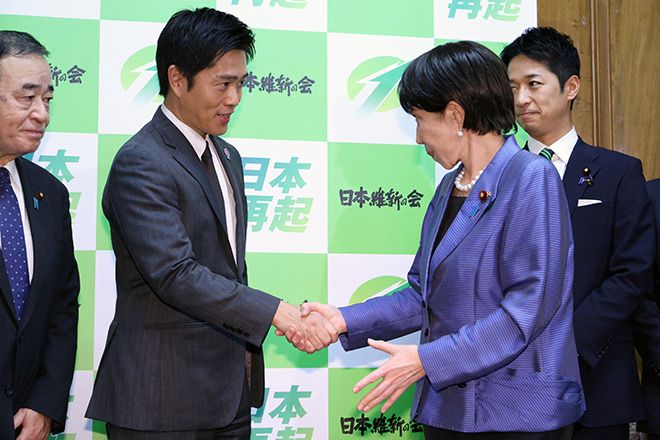
《朝日新聞》的一項調查顯示,新成立的首相高市早苗內閣獲得了68%的強勁支持率,主要得益於年輕選民的大力支持。
調查:高市內閣以 68% 支持率強勢起步
《朝日新聞》
2025年10月27日 17:07(日本時間)
新上任的日本首相高市早苗內閣,獲得了 68% 的強勁支持率,主要受到年輕選民的高度支持,《朝日新聞》的民調顯示。
這是自 2001 年小泉純一郎內閣以來,歷任內閣第三高的初始支持率。
儘管新內閣通常會獲得亮眼的起始支持,但高市內閣的數字遠超前任:石破茂為 46%,岸田文雄為 45%。
根據 10 月 25、26 日進行的全國電話調查,僅 19% 的受訪者對高市內閣持反對意見。
在年輕族群中支持度尤其突出:30 多歲族群的支持率高達 86%,50 歲以下各年齡層也都超過 70%。
70 歲以上則給予 54% 的支持率。
支持的最主要理由是「政策」,佔 37%。其次為「比其他可能的內閣更好」。第三、第四高的理由則分別是高市的領導力與自民黨的領導力。
此外,有 85% 的受訪者對高市成為日本第一位女性首相表示「歡迎」,僅 7% 持負面看法。
但對她是否能促進性別平等,意見分歧:45% 認為會有所進展,41% 持懷疑態度。
即使是在歡迎她當選的人當中,也只有一半預期性別議題會有實質改善。
對她的保守立場,57% 的受訪者表示認可,25% 表示不認可。
在民族主義傾向與傳統價值觀方面的支持度同樣呈現明顯世代差異:30 多歲族群有 80% 支持,但 70 歲以上僅為 40%。
「安倍經濟學」的回響
她的經濟政策獲得 65% 的受訪者寄予期待,超過歷任內閣的初期預期:石破茂為 35%,岸田文雄為 42%。
2013 年第二次安倍內閣推動「安倍經濟學」(大膽貨幣寬鬆與積極財政刺激)時,經濟政策的支持度為 63%。
而對高市的經濟期待——她很可能延續「安倍經濟學」的道路——甚至超越了「安倍經濟學」創始者安倍本人。
自民黨與日本維新會(Ishin)組成的新執政聯盟(取代原本的自民—公明聯盟)也獲得 59% 的正面評價,僅 20% 持負面評價。
然而,對政治改革的看法則明顯悲觀:僅 23% 認為自民黨能擺脫政治獻金醜聞中形成的文化;多達 69% 認為自民黨不可能改變。
高市任命曾涉近期政治資金醜聞的自民黨議員擔任政府與黨內要職,同時實質擱置了日本維新會所推動的企業與團體捐款改革。
政黨支持度的變化
與 9 月的調查相比,執政黨支持率上升:
-
自民黨上升 4 個百分點至 30%
-
日本維新會增加 3 個百分點至 5%
極右政黨「參政黨」下跌 4 個百分點至 4%。其他在野黨大致持平。
主要在野黨立憲民主黨維持在 5%,國民民主黨則下跌 1 個百分點至 6%。
公明黨、令和新選組、日本共產黨皆維持 2%,保守黨仍為 1%。
(石田和明亦對本文有所貢獻。)
Survey: Takaichi Cabinet starts off strong with 68% approval rating
THE ASAHI SHIMBUN
October 27, 2025 at 17:07 JST
The newly inaugurated Cabinet of Prime Minister Sanae Takaichi received a robust approval rating of 68 percent, buoyed by strong support from the younger voters, an Asahi Shimbun survey showed.
It was the third-highest initial rating for a Cabinet since Junichiro Koizumi’s in 2001.
Although new Cabinets have traditionally received strong first ratings, the Takaichi Cabinet’s figure dwarfed those of her predecessors: 46 percent for Shigeru Ishiba and 45 percent for Fumio Kishida.
Only 19 percent expressed disapproval for the Takaichi Cabinet, according to the nationwide telephone survey conducted on Oct. 25 and 26.
Approval was especially strong among younger demographics, reaching 86 percent among those in their 30s and topping 70 percent among those in their 50s or younger.
Those aged 70 and older gave a 54-percent approval rating.
The most cited reason for approval was the Cabinet’s policies, chosen by 37 percent. This was followed by the perception that it is better than other possible Cabinets.
The third and fourth most cited reasons were the leadership of Takaichi and the leadership of her Liberal Democratic Party, respectively.
Takaichi’s rise as Japan’s first female prime minister was welcomed by 85 percent of respondents, while only 7 percent viewed it negatively.
However, opinions were split on whether her leadership would advance gender equality, with 45 percent expecting progress, compared with 41 percent who remained skeptical.
Even among those who welcomed her political achievement, only half expect tangible changes on gender issues.
Takaichi’s conservative stance was appreciated by 57 percent of respondents, while 25 percent expressed disapproval.
Again, support concerning her nationalist views and traditional values varied by age. Eighty percent among those in their 30s approved, compared with 40 percent among those aged 70 and older.
ECHOES OF ‘ABENOMICS’
Her economic policies drew optimism from 65 percent of respondents, surpassing the initial expectations for previous Cabinets: 35 percent for Ishiba’s and 42 percent for Kishida’s.
The economic policy approval figure reached 63 percent in 2013, after the second Cabinet of Shinzo Abe embarked on its “Abenomics” policies, characterized by bold monetary easing and aggressive fiscal stimulus.
Economic optimism for Takaichi, who will likely follow the Abenomics path, surpassed the level of the package’s creator.
The formation of a new coalition between the LDP and Nippon Ishin (Japan Innovation Party), replacing the previous LDP-Komeito alliance, was viewed positively by 59 percent of respondents and negatively by 20 percent.
However, skepticism remains over political reform, with only 23 percent believing the LDP can change its culture tainted by political money scandals. A much larger 69 percent believe the party cannot change.
Takaichi appointed LDP lawmakers implicated in recent fund-raising scandals to key government and party positions, while effectively shelving reforms to rules on corporate and organizational donations--measures that had been pushed by Ishin.
The ruling parties each gained support from the previous survey conducted in September, with the LDP rising by 4 percentage points to 30 percent and Ishin increasing by 3 points to 5 percent.
Support for the far-right Sanseito party fell by 4 points to 4 percent, while figures for other opposition parties remained mostly unchanged.
The main opposition Constitutional Democratic Party of Japan held steady at 5 percent, while the Democratic Party for the People dropped 1 point to 6 percent.
Komeito, Reiwa Shinsengumi and the Japanese Communist Party all remained at 2 percent, and the Conservative Party of Japan stayed at 1 percent.
(Kazuaki Isoda also contributed to this article.)
沒有留言:
張貼留言
注意:只有此網誌的成員可以留言。