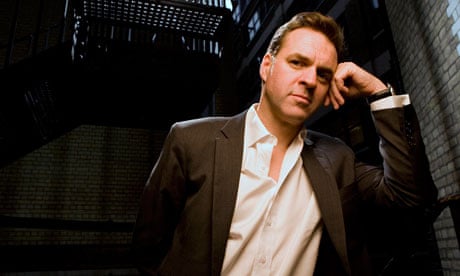
尼爾·弗格森:“西方人不明白自由是多麼脆弱” 取得連結 Facebook X Pinterest 以電子郵件傳送 其他應用程式 作者: 謝東森 - 8月 24, 2024 跳至主要內容跳至導航跳至導航衛報 - 回到家這篇文章已經13年多了面試尼爾·弗格森:“西方人不明白自由是多麼脆弱”Niall Ferguson: 'Westerners don't understand how vulnerable freedom is'這篇文章已經13年多了威廉·斯基德爾斯基尼爾·弗格森是世界領先的歷史學家之一,但他的親殖民觀點受到嚴厲批評。在這裡,他解釋了為什麼他現在瞄準年輕觀眾中號見到尼爾·弗格森時,我的第一個想法是,他看起來太聰明了,無法成為學者。這是一個週三下午,歷史和國際事務領域的菲利普·羅曼 (Philippe Roman) 主席坐在倫敦經濟學院創意中心的鞋盒形辦公室裡。儘管場景並不華麗,弗格森卻穿著電影高管或對沖基金經理的非正式但時尚的裝束:溫文爾雅的藍色西裝,熨燙的白襯衫,閃閃發光的切爾西靴子。他的皮膚紅潤,頭髮梳理整齊。不知怎的,他似乎不太可能整天都在主持研討會或閱讀論文。他首先讓我等一會兒。 「恐怕我得寫一張支票,」他說,伸手去拿鋼筆。 “生活中最乏味的負擔之一。”我抑制住想要靠在他肩膀上,試圖瞥見他正在蝕刻的數字的衝動。有人懷疑,弗格森習慣開大支票。當然,將弗格森描述為一名學者,是無法公正地評價他在知識界的崇高地位。正如倫敦經濟學院網站所說,他確實是「世界上最傑出的學者之一」。儘管他可能不如他的兩個主要電視歷史學家競爭對手大衛·斯塔基和西蒙·沙馬那麼容易被認出,但當談到學術影響力和純粹的生產力時,他卻黯然失色。 46 歲的他出版了數量驚人的廣受好評的書籍,其中大部分都是非常厚重的書籍,如《世界銀行家》、《世界戰爭》和《金錢的崛起》。 (不能指責他選擇了低調的書名。)他的最後一本書《高級金融家》是銀行家西格蒙德·瓦爾堡的傳記。除了目前在倫敦經濟學院任職一年外,他還是哈佛大學歷史學勞倫斯·蒂施教授、哈佛商學院工商管理威廉·齊格勒教授以及斯坦福大學胡佛研究所高級研究員。他製作了許多電視連續劇,擔任約翰·麥凱恩的顧問,並撰寫了大量新聞文章(目前他是《新聞周刊》的專欄作家)。他每天早上六點起床,說他沒有興趣:他只是工作。無論你如何看待這個人和他的觀點,你都很難不對他的奉獻精神印象深刻。弗格森的最新著作將於下個月出版,名為《文明:西方與其他國家》(附帶的六集第四頻道系列節目將於 3 月 6 日開始)。這本書是在瓦爾堡傳記出版後八個月出版的,屬於弗格森全部作品中較為民粹主義的一端。事實上,他說,他寫這本書主要是為了他的孩子。 (他有三個孩子,兩個兒子和一個女兒,年齡從11 歲到17 歲不等。)「這本書的部分設計是為了讓17 歲的男孩或女孩能夠以非常容易理解的方式了解大量歷史,並能夠弗格森說,他和他手頭上的許多其他人一樣,正在向他的朋友、英國教育大臣邁克爾·戈夫就如何重新起草歷史課程提供建議。 「我有一種感覺,我的兒子和女兒這一代人接受歷史教育的方式並沒有得到很好的服務。他們沒有大局觀。他們得到的這些內容通常是關於阿道夫·希特勒的,所以我想寫一本書這對他們來說真的很方便。《文明》試圖回答弗格森認為現代歷史學家面臨的“最有趣”的一個問題:“為什麼從 1500 年左右開始,歐亞大陸西端的一些小政體開始主宰世界其他地區?世界?”換句話說,這本書試圖解釋長期以來令作者著迷的某種東西——西方力量——的根源。儘管弗格森的背景是一名金融歷史學家——他在80 年代末和90 年代初在牛津和劍橋進行的研究是德國惡性通貨膨脹和債券市場的歷史——但在過去十年左右的時間裡,他越來越傾向於撰寫有關帝國的文章。在連續兩本書《帝國》和《巨像》中,他在伊拉克入侵前後出版,並非偶然,他描繪了英國和美國各自的帝國歷史,得出的結論是,英國不僅應該為其殖民歷史感到自豪,而且認為英國應該為自己的殖民歷史感到自豪。儘管這兩本書都是暢銷書,並為弗格森贏得了許多新的崇拜者,尤其是在美國,但毫不奇怪的是,它們也招致了左派的嚴厲批評。文明也始於這樣一個前提:西方的統治地位是一件好事。為了解釋它是如何發生的,弗格森使用了一個意想不到的前沿隱喻。他認為,西方的優勢是基於他稱為「殺手級應用」的六個屬性:競爭、科學、民主、醫學、消費主義和職業道德。本書的每一章(以及電視劇的每一集)都試圖探索西方國家如何擁有這些“應用程式”,而其他國家卻未能獲得它。因此,在關於競爭的章節中,他展示了近代早期西歐的政治結構如何鼓勵國家之間和國家內部的競爭,而明朝的鐵板統治卻導致中國固步自封。同樣,在醫學章節中,他認為西歐帝國的文明目標帶來了開創性的醫學進步,最終造福了整個世界。弗格森顯然非常喜歡他的「殺手級應用程式」自負,以及他的「西方與其他國家」的二分法,他一有機會就會融入其中。 (在電視劇中,他甚至一度開始談論「西方人」和「外國人」。)他難道不擔心這種事情有損他作為一個嚴肅歷史學家的地位嗎? 「不,」他說。 「撇開其他的不談,這個術語絕對是無處不在的。我認為它抓住了一些非常重要的東西。當我第一次提出殺手級應用概念時,我們實際上進行了一次很好的爭論。它就像一個遊戲:玩文明殺手應用程式! 稍微有點煩人,讓你說說看。弗格森似乎不是一個容易自我懷疑的人。當我提出他的觀點在過去十年中有所改變時——一會兒他呼籲美國建立一個帝國,一會兒他談論西方的“文明軟體”被其他國家“下載”——他回答說:“我不確定我的立場是否隨著環境的變化而發生瞭如此大的變化。在一場精心排練的演講中,他繼續解釋了為什麼他的思想在他的最後六本書中邏輯地發展,以及為什麼他的論點在每個場合都是有先見之明的。 (就金融危機而言,這種沾沾自喜的衝動是很合理的:他指出,美國早在 2004 年就已經嚴重過度擴張。)弗格森的自信——如果沒有相當大的魅力,可能會讓人完全難以忍受——毫無疑問,部分原因在於他的氣質。但這也與他是一位歷史學家有關。他對過去的態度是極為唯物論的。對與錯的問題,或實際上是性格和心理的問題,似乎並沒有引起他的極大關注。讓他前進的是硬數據、事實和數字——換句話說,這些東西是最可衡量的(並且,推而廣之,是最可證明的)。毫無疑問,這種觀點與他的經濟史基礎有很大關係。然而,他的唯物主義超越了這一點,奇怪的是,他幾乎達到了馬克思主義的程度。 “我很少受到讚賞,”他宣稱,“就是我對馬克思的許多著作表示同情,只是我站在資產階級一邊。”當談到帝國時,弗格森對物質力量的關注使他能夠進行成本效益分析,權衡帝國政權所做的好事與壞事,而不會過度受到傳統上涉及的道德問題的困擾。 (一個國家有權入侵另一個國家嗎?殖民主義是否會留下心理創傷,使以前被佔領的國家難以進步?)他能夠對英國佔領印度等不光彩的方面保持相對樂觀的態度,或法國在西非的統治,因為他總是試圖詢問替代方案可能是什麼。 (一般來說,他認為情況會更糟。)「道德簡化的衝動是一種異常強大的衝動,尤其是在這個國家,帝國的罪惡感可能導致自虐,」他解釋道。 「這導致了非常簡單化的判斷。歐洲帝國之前的西非統治者並沒有經營某種童子軍營地。他們從事奴隸貿易。他們開發國家經濟資源的跡象為零。塞內加爾最終有沒有是的,很明顯,認為土著統治者在經濟發展方面會更成功的反事實想法根本沒有任何可信度。正如他的許多批評者所指出的那樣,弗格森作為帝國倡導者的出現恰逢美國新保守主義的興起以及伊拉克推翻薩達姆·侯賽因權力的動力。 (在戰爭前夕,弗格森是入侵的直言不諱的支持者。)儘管他在佔領發生後開始批評美國的政策,並且現在與新保守派保持距離,但他仍然對自己的親戰立場毫不悔改,認為真正的問題在於,由於布希政府未能投入足夠的人力和資源,這次入侵「搞砸了」。 (「我當時經常寫到的問題是,如果你入侵並推翻壞人,舉行選舉,然後生氣,這是行不通的。」)他也不排除在未來支持類似的競選活動。 「對我們來說,坐在西方,擁有高收入和舒適的生活,並說侵犯另一個國家的主權是不道德的,這一切都很好。但如果這樣做的效果是給那個國家的人民帶來經濟和政治自由,提高他們的生活水平,延長他們的預期壽命,那麼不排除這種可能性。弗格森自稱是“典型的蘇格蘭啟蒙自由派”,顯然喜歡挑釁左派,他這樣做的樂趣有時近乎冷酷無情。他一度表示:“我認為很難證明,如果歐洲人留在家裡,世界會變得更好,左派含蓄地提出了這一點。這對北美來說肯定行不通,那是對北美來說。”當然,我確信阿帕契人和納瓦霍人有各種令人欽佩的特徵,因為我們不識字,所以我們不知道他們是什麼,因為我們確實知道他們殺死了地獄。我認為我們不會有任何類似北美的文明。然而,當我們的談話轉向更私人的問題時,所有崇高超然的痕跡都消失了。在過去的幾年裡,弗格森對文明及其之間關係的職業興趣與他的私人生活產生了有趣的交叉,這要歸功於他與《文明》奉獻者的關係,這位奉獻者在書中僅被稱為「阿亞安」。弗格森在序言中寫道,她「比任何人都更了解西方文明的真正含義,以及它仍然能為世界帶來什麼」。「阿亞安」是阿亞安·希爾西·阿里(Ayaan Hirsi Ali),出生於索馬裡的作家、活動家和前荷蘭議員,已成為西方伊斯蘭教最尖銳的批評者之一,尤其是伊斯蘭教導對待婦女的方式。 2009 年 5 月,弗格森在《時代》雜誌年度「世界上最有影響力的 100 人」聚會上認識了她。 (弗格森和希爾西·阿里此前分別於2004 年和2005 年出現在這份名單上。)幾個月後,也就是弗格森與結婚16 年的妻子蘇·道格拉斯(《星期日報》前編輯)分居後不久,他們開始了戀愛關係。他們的戀情很快就引發了一場八卦風暴,並發表了幾篇揭發醜聞的文章。由於希爾西·阿里一直生活在警察的保護之下,弗格森與她的關係變得更加複雜。 2004年,她為短片《Submission》撰寫劇本,該片攻擊伊斯蘭教對婦女的征服,並包含刻有《古蘭經》經文的婦女赤裸身體的鏡頭。影片上映後不久,導演西奧·梵谷在阿姆斯特丹被伊斯蘭極端分子暗殺;他的身上釘著一封呼籲對希爾西·阿里發動聖戰的信。被迫躲藏並沒有讓她變得不那麼直言不諱。 2006年,她對一家德國雜誌表示,伊斯蘭教「與啟蒙運動產生的自由社會不相容」。一旦開始談論希爾西·阿里,弗格森的態度就改變了。他的聲音變得柔和,充滿感情。突然之間,他不再是那個超級自信的學者了;他看起來幾乎很謙虛。 「阿雅安來自一個完全不同的文明,」他說,並解釋了他所說的她知道西方文明「真正意義」的含義。 「她在穆斯林世界長大,出生在索馬利亞,在沙烏地阿拉伯度過了一段時光,十幾歲的時候是一名原教旨主義者。她從童年和家庭的世界到今天的旅程,對你來說是極其艱難的旅程或我想像一下,看到和聽到她如何理解西方哲學,如何理解啟蒙運動、19世紀自由時代的偉大思想家,是一種巨大的榮幸,因為她以清晰和新鮮的視角看待它。 今天,古典意義上的自由主義在西方被視為理所當然,甚至不受尊重,因此我們不明白它是多麼脆弱。在談論「經典」意義上的自由主義時,弗格森也許是在尖銳地區分希爾西·阿里(和他自己)所擁護的自由主義和某些左傾自由主義者——特別是蒂莫西·加頓·阿什和伊恩·布魯瑪——他們一直持批評態度。法國哲學家帕斯卡·布魯克納將他們的態度描述為「反種族主義者的種族主義」。弗格森同意嗎? 「我認為阿亞安的批評者——尤其是伊恩布魯瑪——更多地犯了性別歧視而不是種族主義,」他說。 「但他們肯定低估了她智力上的嚴謹性,這給他們帶來了危險。她只是比他們更聰明,而且更有勇氣。我的意思是,真正為了人類自由而冒著生命危險的人並不多。事情,你應該扮演一個受壓迫的女人的特殊角色……你應該微笑,看起來很漂亮,而且不要說太多。我問弗格森是否對他們的關係引發的反應、八卦文章等感到驚訝。他的語氣又變了,突然聽起來很生氣。 「我感到噁心。只是噁心。這種文化認為教授的私生活應該出現在報紙上,這讓我感到非常羞愧。這太俗氣了。英國媒體對報道的胃口永無止境。我從來不理解他們寫的那些所謂的名人的私事,但我認為我的私生活應該是我發現的文章的主題。透過大幅增加收入來實現的。 (各種文章都將弗格森的年收入定為 500 萬美元,他稱這個數字「荒謬」。)長期以來,弗格森對英國的態度一直有些矛盾——他於 2002 年辭去牛津大學教授職務,前往美國任教。他似乎對回到那裡的前景感到振奮,他計劃在本學年結束後立即返回那裡。在我們的談話即將結束時,他談到了他在格拉斯哥長大時如何沉浸在美國文化中,那裡「除了足球和喝酒之外沒什麼可做的」。 「我讀了史坦貝克、費茲傑拉、凱魯亞克的書。我還聽了美國音樂。我記得有一次放學後去看伍迪艾倫的曼哈頓,心想:我想去那裡。相較之下,在英國,他說「對新聞自由的濫用現在已經達到了......不再容忍的地步」。他在這裡感覺越來越不自在,並說他「接受這份工作實際上只是為了能更多地見到我的孩子」。這是一個對英國歷史有著極大熱愛的人所做的嚴厲判決,他承認自己對這個國家有很大的貢獻,尤其是他的教育。但這個故事還有一個最後的轉折。他說,關於英格蘭,他「一點也不懷念」的一件事就是被公立學校男生「居高臨下」的經歷。 “我與貴族的關係非常消極。總的來說,讓他們離開我的生活是一種好處。”因此,弗格森所說的給他英國未來帶來希望的一件事是大衛·卡梅倫政府——絕大多數由公立學校男生組成,這有點奇怪(但也是一個顯然喜歡矛盾的人的典型特徵)。殺手級「應用程式」:推動西方稱霸世界的概念1.競爭:15世紀,中國是世界上最先進的文明,但歐洲卻是一潭死水。但後來情況發生了變化,到 18 世紀末,亞當·斯密觀察到中國已經「長期停滯不前」。發生了什麼事?弗格森認為,歐洲碎片化的政治結構導致了競爭,並鼓勵歐洲人到遙遠的地方尋找機會。相比之下,日益孤立的中國則停滯不前。2.科學:16世紀和17世紀是科學的時代,出現了大量的突破。弗格森寫道,這場革命「從任何科學角度來看都是完全歐洲的」。在穆斯林世界,教權主義限制了知識的傳播,而在歐洲,在印刷機的幫助下,學術的範圍急劇擴大。最終,科學的突破導致武器裝備的改進,進一步鞏固了西方的優勢。3.財產權:為什麼17世紀英國人在北美建立的帝國最終比一個世紀前西班牙人在南美洲建立的帝國成功得多?弗格森認為,這是因為英國定居者帶來了從約翰洛克繼承的廣泛分佈的財產權和民主的特殊概念。事實證明,這比集中財富和獨裁主義的西班牙模式要好得多。4.現代科學:弗格森認為,現代醫學是西方「最引人注目的殺手級應用」。十九世紀和二十世紀西方醫學的進步提高了世界各地(包括殖民地)的預期壽命。尤其是法國人,很大程度上得益於其帝國使命的崇高理念,為西非的公共衛生帶來了重大改善,開發了針對天花和黃熱病等疾病的有效疫苗。5.消費:西方對世界其他地區的統治不僅是透過武力實現的,而且是透過消費來實現的。正如弗格森所表明的,這也是透過市場實現的。 18、19世紀英國的工業革命創造了一種不可抗拒的消費主義社會模式,例如西式服裝風靡全球。然而存在一個悖論:一個旨在提供無限選擇的經濟體系為何最終導致人類同質化?6.職業道德:正如馬克斯·韋伯一個世紀前指出的那樣,新教是基督教的一種形式,鼓勵努力工作(弗格森補充說,同樣重要的是,閱讀和儲蓄)。他說,歐洲宗教的衰落導致歐洲人成為「世界上的閒人」(而宗教信仰更為濃厚的美國卻依然勤奮工作),這並非巧合。有趣的是,弗格森也認為,中國人崇尚勤奮工作,部分原因是新教在中國的傳播。尼爾·弗格森的《文明》將於 3 月 6 日在 Channel 4 開播探索有關這些主題的更多信息尼爾·弗格森觀察家報歷史書全球化美國外交政策經濟學訪談重複使用此內容觀看次數最多的 取得連結 Facebook X Pinterest 以電子郵件傳送 其他應用程式 留言
這篇文章已經13年多了面試尼爾·弗格森:“西方人不明白自由是多麼脆弱”Niall Ferguson: 'Westerners don't understand how vulnerable freedom is'這篇文章已經13年多了威廉·斯基德爾斯基尼爾·弗格森是世界領先的歷史學家之一,但他的親殖民觀點受到嚴厲批評。在這裡,他解釋了為什麼他現在瞄準年輕觀眾中號見到尼爾·弗格森時,我的第一個想法是,他看起來太聰明了,無法成為學者。這是一個週三下午,歷史和國際事務領域的菲利普·羅曼 (Philippe Roman) 主席坐在倫敦經濟學院創意中心的鞋盒形辦公室裡。儘管場景並不華麗,弗格森卻穿著電影高管或對沖基金經理的非正式但時尚的裝束:溫文爾雅的藍色西裝,熨燙的白襯衫,閃閃發光的切爾西靴子。他的皮膚紅潤,頭髮梳理整齊。不知怎的,他似乎不太可能整天都在主持研討會或閱讀論文。他首先讓我等一會兒。 「恐怕我得寫一張支票,」他說,伸手去拿鋼筆。 “生活中最乏味的負擔之一。”我抑制住想要靠在他肩膀上,試圖瞥見他正在蝕刻的數字的衝動。有人懷疑,弗格森習慣開大支票。當然,將弗格森描述為一名學者,是無法公正地評價他在知識界的崇高地位。正如倫敦經濟學院網站所說,他確實是「世界上最傑出的學者之一」。儘管他可能不如他的兩個主要電視歷史學家競爭對手大衛·斯塔基和西蒙·沙馬那麼容易被認出,但當談到學術影響力和純粹的生產力時,他卻黯然失色。 46 歲的他出版了數量驚人的廣受好評的書籍,其中大部分都是非常厚重的書籍,如《世界銀行家》、《世界戰爭》和《金錢的崛起》。 (不能指責他選擇了低調的書名。)他的最後一本書《高級金融家》是銀行家西格蒙德·瓦爾堡的傳記。除了目前在倫敦經濟學院任職一年外,他還是哈佛大學歷史學勞倫斯·蒂施教授、哈佛商學院工商管理威廉·齊格勒教授以及斯坦福大學胡佛研究所高級研究員。他製作了許多電視連續劇,擔任約翰·麥凱恩的顧問,並撰寫了大量新聞文章(目前他是《新聞周刊》的專欄作家)。他每天早上六點起床,說他沒有興趣:他只是工作。無論你如何看待這個人和他的觀點,你都很難不對他的奉獻精神印象深刻。弗格森的最新著作將於下個月出版,名為《文明:西方與其他國家》(附帶的六集第四頻道系列節目將於 3 月 6 日開始)。這本書是在瓦爾堡傳記出版後八個月出版的,屬於弗格森全部作品中較為民粹主義的一端。事實上,他說,他寫這本書主要是為了他的孩子。 (他有三個孩子,兩個兒子和一個女兒,年齡從11 歲到17 歲不等。)「這本書的部分設計是為了讓17 歲的男孩或女孩能夠以非常容易理解的方式了解大量歷史,並能夠弗格森說,他和他手頭上的許多其他人一樣,正在向他的朋友、英國教育大臣邁克爾·戈夫就如何重新起草歷史課程提供建議。 「我有一種感覺,我的兒子和女兒這一代人接受歷史教育的方式並沒有得到很好的服務。他們沒有大局觀。他們得到的這些內容通常是關於阿道夫·希特勒的,所以我想寫一本書這對他們來說真的很方便。《文明》試圖回答弗格森認為現代歷史學家面臨的“最有趣”的一個問題:“為什麼從 1500 年左右開始,歐亞大陸西端的一些小政體開始主宰世界其他地區?世界?”換句話說,這本書試圖解釋長期以來令作者著迷的某種東西——西方力量——的根源。儘管弗格森的背景是一名金融歷史學家——他在80 年代末和90 年代初在牛津和劍橋進行的研究是德國惡性通貨膨脹和債券市場的歷史——但在過去十年左右的時間裡,他越來越傾向於撰寫有關帝國的文章。在連續兩本書《帝國》和《巨像》中,他在伊拉克入侵前後出版,並非偶然,他描繪了英國和美國各自的帝國歷史,得出的結論是,英國不僅應該為其殖民歷史感到自豪,而且認為英國應該為自己的殖民歷史感到自豪。儘管這兩本書都是暢銷書,並為弗格森贏得了許多新的崇拜者,尤其是在美國,但毫不奇怪的是,它們也招致了左派的嚴厲批評。文明也始於這樣一個前提:西方的統治地位是一件好事。為了解釋它是如何發生的,弗格森使用了一個意想不到的前沿隱喻。他認為,西方的優勢是基於他稱為「殺手級應用」的六個屬性:競爭、科學、民主、醫學、消費主義和職業道德。本書的每一章(以及電視劇的每一集)都試圖探索西方國家如何擁有這些“應用程式”,而其他國家卻未能獲得它。因此,在關於競爭的章節中,他展示了近代早期西歐的政治結構如何鼓勵國家之間和國家內部的競爭,而明朝的鐵板統治卻導致中國固步自封。同樣,在醫學章節中,他認為西歐帝國的文明目標帶來了開創性的醫學進步,最終造福了整個世界。弗格森顯然非常喜歡他的「殺手級應用程式」自負,以及他的「西方與其他國家」的二分法,他一有機會就會融入其中。 (在電視劇中,他甚至一度開始談論「西方人」和「外國人」。)他難道不擔心這種事情有損他作為一個嚴肅歷史學家的地位嗎? 「不,」他說。 「撇開其他的不談,這個術語絕對是無處不在的。我認為它抓住了一些非常重要的東西。當我第一次提出殺手級應用概念時,我們實際上進行了一次很好的爭論。它就像一個遊戲:玩文明殺手應用程式! 稍微有點煩人,讓你說說看。弗格森似乎不是一個容易自我懷疑的人。當我提出他的觀點在過去十年中有所改變時——一會兒他呼籲美國建立一個帝國,一會兒他談論西方的“文明軟體”被其他國家“下載”——他回答說:“我不確定我的立場是否隨著環境的變化而發生瞭如此大的變化。在一場精心排練的演講中,他繼續解釋了為什麼他的思想在他的最後六本書中邏輯地發展,以及為什麼他的論點在每個場合都是有先見之明的。 (就金融危機而言,這種沾沾自喜的衝動是很合理的:他指出,美國早在 2004 年就已經嚴重過度擴張。)弗格森的自信——如果沒有相當大的魅力,可能會讓人完全難以忍受——毫無疑問,部分原因在於他的氣質。但這也與他是一位歷史學家有關。他對過去的態度是極為唯物論的。對與錯的問題,或實際上是性格和心理的問題,似乎並沒有引起他的極大關注。讓他前進的是硬數據、事實和數字——換句話說,這些東西是最可衡量的(並且,推而廣之,是最可證明的)。毫無疑問,這種觀點與他的經濟史基礎有很大關係。然而,他的唯物主義超越了這一點,奇怪的是,他幾乎達到了馬克思主義的程度。 “我很少受到讚賞,”他宣稱,“就是我對馬克思的許多著作表示同情,只是我站在資產階級一邊。”當談到帝國時,弗格森對物質力量的關注使他能夠進行成本效益分析,權衡帝國政權所做的好事與壞事,而不會過度受到傳統上涉及的道德問題的困擾。 (一個國家有權入侵另一個國家嗎?殖民主義是否會留下心理創傷,使以前被佔領的國家難以進步?)他能夠對英國佔領印度等不光彩的方面保持相對樂觀的態度,或法國在西非的統治,因為他總是試圖詢問替代方案可能是什麼。 (一般來說,他認為情況會更糟。)「道德簡化的衝動是一種異常強大的衝動,尤其是在這個國家,帝國的罪惡感可能導致自虐,」他解釋道。 「這導致了非常簡單化的判斷。歐洲帝國之前的西非統治者並沒有經營某種童子軍營地。他們從事奴隸貿易。他們開發國家經濟資源的跡象為零。塞內加爾最終有沒有是的,很明顯,認為土著統治者在經濟發展方面會更成功的反事實想法根本沒有任何可信度。正如他的許多批評者所指出的那樣,弗格森作為帝國倡導者的出現恰逢美國新保守主義的興起以及伊拉克推翻薩達姆·侯賽因權力的動力。 (在戰爭前夕,弗格森是入侵的直言不諱的支持者。)儘管他在佔領發生後開始批評美國的政策,並且現在與新保守派保持距離,但他仍然對自己的親戰立場毫不悔改,認為真正的問題在於,由於布希政府未能投入足夠的人力和資源,這次入侵「搞砸了」。 (「我當時經常寫到的問題是,如果你入侵並推翻壞人,舉行選舉,然後生氣,這是行不通的。」)他也不排除在未來支持類似的競選活動。 「對我們來說,坐在西方,擁有高收入和舒適的生活,並說侵犯另一個國家的主權是不道德的,這一切都很好。但如果這樣做的效果是給那個國家的人民帶來經濟和政治自由,提高他們的生活水平,延長他們的預期壽命,那麼不排除這種可能性。弗格森自稱是“典型的蘇格蘭啟蒙自由派”,顯然喜歡挑釁左派,他這樣做的樂趣有時近乎冷酷無情。他一度表示:“我認為很難證明,如果歐洲人留在家裡,世界會變得更好,左派含蓄地提出了這一點。這對北美來說肯定行不通,那是對北美來說。”當然,我確信阿帕契人和納瓦霍人有各種令人欽佩的特徵,因為我們不識字,所以我們不知道他們是什麼,因為我們確實知道他們殺死了地獄。我認為我們不會有任何類似北美的文明。然而,當我們的談話轉向更私人的問題時,所有崇高超然的痕跡都消失了。在過去的幾年裡,弗格森對文明及其之間關係的職業興趣與他的私人生活產生了有趣的交叉,這要歸功於他與《文明》奉獻者的關係,這位奉獻者在書中僅被稱為「阿亞安」。弗格森在序言中寫道,她「比任何人都更了解西方文明的真正含義,以及它仍然能為世界帶來什麼」。「阿亞安」是阿亞安·希爾西·阿里(Ayaan Hirsi Ali),出生於索馬裡的作家、活動家和前荷蘭議員,已成為西方伊斯蘭教最尖銳的批評者之一,尤其是伊斯蘭教導對待婦女的方式。 2009 年 5 月,弗格森在《時代》雜誌年度「世界上最有影響力的 100 人」聚會上認識了她。 (弗格森和希爾西·阿里此前分別於2004 年和2005 年出現在這份名單上。)幾個月後,也就是弗格森與結婚16 年的妻子蘇·道格拉斯(《星期日報》前編輯)分居後不久,他們開始了戀愛關係。他們的戀情很快就引發了一場八卦風暴,並發表了幾篇揭發醜聞的文章。由於希爾西·阿里一直生活在警察的保護之下,弗格森與她的關係變得更加複雜。 2004年,她為短片《Submission》撰寫劇本,該片攻擊伊斯蘭教對婦女的征服,並包含刻有《古蘭經》經文的婦女赤裸身體的鏡頭。影片上映後不久,導演西奧·梵谷在阿姆斯特丹被伊斯蘭極端分子暗殺;他的身上釘著一封呼籲對希爾西·阿里發動聖戰的信。被迫躲藏並沒有讓她變得不那麼直言不諱。 2006年,她對一家德國雜誌表示,伊斯蘭教「與啟蒙運動產生的自由社會不相容」。一旦開始談論希爾西·阿里,弗格森的態度就改變了。他的聲音變得柔和,充滿感情。突然之間,他不再是那個超級自信的學者了;他看起來幾乎很謙虛。 「阿雅安來自一個完全不同的文明,」他說,並解釋了他所說的她知道西方文明「真正意義」的含義。 「她在穆斯林世界長大,出生在索馬利亞,在沙烏地阿拉伯度過了一段時光,十幾歲的時候是一名原教旨主義者。她從童年和家庭的世界到今天的旅程,對你來說是極其艱難的旅程或我想像一下,看到和聽到她如何理解西方哲學,如何理解啟蒙運動、19世紀自由時代的偉大思想家,是一種巨大的榮幸,因為她以清晰和新鮮的視角看待它。 今天,古典意義上的自由主義在西方被視為理所當然,甚至不受尊重,因此我們不明白它是多麼脆弱。在談論「經典」意義上的自由主義時,弗格森也許是在尖銳地區分希爾西·阿里(和他自己)所擁護的自由主義和某些左傾自由主義者——特別是蒂莫西·加頓·阿什和伊恩·布魯瑪——他們一直持批評態度。法國哲學家帕斯卡·布魯克納將他們的態度描述為「反種族主義者的種族主義」。弗格森同意嗎? 「我認為阿亞安的批評者——尤其是伊恩布魯瑪——更多地犯了性別歧視而不是種族主義,」他說。 「但他們肯定低估了她智力上的嚴謹性,這給他們帶來了危險。她只是比他們更聰明,而且更有勇氣。我的意思是,真正為了人類自由而冒著生命危險的人並不多。事情,你應該扮演一個受壓迫的女人的特殊角色……你應該微笑,看起來很漂亮,而且不要說太多。我問弗格森是否對他們的關係引發的反應、八卦文章等感到驚訝。他的語氣又變了,突然聽起來很生氣。 「我感到噁心。只是噁心。這種文化認為教授的私生活應該出現在報紙上,這讓我感到非常羞愧。這太俗氣了。英國媒體對報道的胃口永無止境。我從來不理解他們寫的那些所謂的名人的私事,但我認為我的私生活應該是我發現的文章的主題。透過大幅增加收入來實現的。 (各種文章都將弗格森的年收入定為 500 萬美元,他稱這個數字「荒謬」。)長期以來,弗格森對英國的態度一直有些矛盾——他於 2002 年辭去牛津大學教授職務,前往美國任教。他似乎對回到那裡的前景感到振奮,他計劃在本學年結束後立即返回那裡。在我們的談話即將結束時,他談到了他在格拉斯哥長大時如何沉浸在美國文化中,那裡「除了足球和喝酒之外沒什麼可做的」。 「我讀了史坦貝克、費茲傑拉、凱魯亞克的書。我還聽了美國音樂。我記得有一次放學後去看伍迪艾倫的曼哈頓,心想:我想去那裡。相較之下,在英國,他說「對新聞自由的濫用現在已經達到了......不再容忍的地步」。他在這裡感覺越來越不自在,並說他「接受這份工作實際上只是為了能更多地見到我的孩子」。這是一個對英國歷史有著極大熱愛的人所做的嚴厲判決,他承認自己對這個國家有很大的貢獻,尤其是他的教育。但這個故事還有一個最後的轉折。他說,關於英格蘭,他「一點也不懷念」的一件事就是被公立學校男生「居高臨下」的經歷。 “我與貴族的關係非常消極。總的來說,讓他們離開我的生活是一種好處。”因此,弗格森所說的給他英國未來帶來希望的一件事是大衛·卡梅倫政府——絕大多數由公立學校男生組成,這有點奇怪(但也是一個顯然喜歡矛盾的人的典型特徵)。殺手級「應用程式」:推動西方稱霸世界的概念1.競爭:15世紀,中國是世界上最先進的文明,但歐洲卻是一潭死水。但後來情況發生了變化,到 18 世紀末,亞當·斯密觀察到中國已經「長期停滯不前」。發生了什麼事?弗格森認為,歐洲碎片化的政治結構導致了競爭,並鼓勵歐洲人到遙遠的地方尋找機會。相比之下,日益孤立的中國則停滯不前。2.科學:16世紀和17世紀是科學的時代,出現了大量的突破。弗格森寫道,這場革命「從任何科學角度來看都是完全歐洲的」。在穆斯林世界,教權主義限制了知識的傳播,而在歐洲,在印刷機的幫助下,學術的範圍急劇擴大。最終,科學的突破導致武器裝備的改進,進一步鞏固了西方的優勢。3.財產權:為什麼17世紀英國人在北美建立的帝國最終比一個世紀前西班牙人在南美洲建立的帝國成功得多?弗格森認為,這是因為英國定居者帶來了從約翰洛克繼承的廣泛分佈的財產權和民主的特殊概念。事實證明,這比集中財富和獨裁主義的西班牙模式要好得多。4.現代科學:弗格森認為,現代醫學是西方「最引人注目的殺手級應用」。十九世紀和二十世紀西方醫學的進步提高了世界各地(包括殖民地)的預期壽命。尤其是法國人,很大程度上得益於其帝國使命的崇高理念,為西非的公共衛生帶來了重大改善,開發了針對天花和黃熱病等疾病的有效疫苗。5.消費:西方對世界其他地區的統治不僅是透過武力實現的,而且是透過消費來實現的。正如弗格森所表明的,這也是透過市場實現的。 18、19世紀英國的工業革命創造了一種不可抗拒的消費主義社會模式,例如西式服裝風靡全球。然而存在一個悖論:一個旨在提供無限選擇的經濟體系為何最終導致人類同質化?6.職業道德:正如馬克斯·韋伯一個世紀前指出的那樣,新教是基督教的一種形式,鼓勵努力工作(弗格森補充說,同樣重要的是,閱讀和儲蓄)。他說,歐洲宗教的衰落導致歐洲人成為「世界上的閒人」(而宗教信仰更為濃厚的美國卻依然勤奮工作),這並非巧合。有趣的是,弗格森也認為,中國人崇尚勤奮工作,部分原因是新教在中國的傳播。尼爾·弗格森的《文明》將於 3 月 6 日在 Channel 4 開播探索有關這些主題的更多信息尼爾·弗格森觀察家報歷史書全球化美國外交政策經濟學訪談重複使用此內容
北越故事:童年、從軍、戰場、戰後、晚年【平民眼中的戰爭:從香蕉湯到尿袋人生】 作者: 謝東森 - 3月 30, 2026 故事:童年、從軍、戰場、戰後、晚年【平民眼中的戰爭:從香蕉湯到尿袋人生】 童年:飢餓、宣傳 2.👄香溪河畔的退伍軍官(全)01-24(P16) 收集空彈殼、開鑄銅作坊、同伴燒死 挖防空洞 飢餓、胃病、餓死、偷拔玉米 炸彈會躲人,人卻躲不了炸彈。「明天我們也會變成那樣。」 看了《阮文卓》這部電影十三次。 軍人不取百姓一針一線,百姓的糧食金錢都納稅繳糧了 飢餓的極限,只想趕快和平 軍糧堆積如山,沒人敢偷 鳳凰牌軍用單車 👄缺糧、飢餓,是每家每戶的日常,但共同的責任不能少。 百姓有義務支援軍隊,但不能染指軍隊一針一線。就連偷一粒鹽,也是「越奸」(越南的漢奸)。 「越戰越南化」是美帝的陰謀 21.七個共產黨軍人爬上木瓜樹枝也不會折的謠言 3. 👄Ông Hiếu孝伯的最珍貴財產(P117) 「我接受了政治和歷史教育,我明白自己是去打仗救國,履行神聖的國家使命。我感到自豪。我努力全力奉獻。沒人比得上我幹活的勁頭。挖地道、修山路,半夜裡兩三次警報我總是第一個起來。同志們情緒低落時,我整夜陪他們談心鼓勵。很多人想離開,我一對一開導,他們後來都愉快地留下繼續奉獻。」 「1969年我光榮地加入了共產黨。那時候入黨非常難,很多人爭取多年都進不了。我也是因為參軍才有機會入黨,不然留在家裡也沒人知道我。偏巧我是在胡志明主席去世的那晚入的黨。這樣神聖的日子入黨,我更得珍惜、維護這份榮耀,讓別人看到也敬佩。」 「我一直堅信『黨員走在前,百姓跟著走』。 我父親在1945年餓死了。後來我母親也餓死了。那時我還很小,一歲、兩歲,或三歲吧,已經記不清了。母親去世後,我還趴在她胸口,摸索著找乳頭。我嚎啕大哭。在那間黑夜中的茅屋裡,只有母親、我和哥哥。我哭啊哭,哭個不停。五歲的哥哥不知該如何是好,他把自己的小雞雞塞到我嘴裡,讓我吸代替母親的乳頭。那時我才安靜下來。 3. 👄Ông Hiếu孝伯的最珍貴財產(P117) 他不知道我來這裡的目的,只知道有一個女孩想和他聊聊天。 他告訴我他的一生。 八年在「平民教育運動」中擔任教師。 兩年在前線支援抗戰。 之後在鄉裡擔任各種職務,合作社副主任。 三十多年為社會服務。三十多年沒有拿過一分薪水。 從軍:被動、幻覺 2.👄香溪河畔的退伍軍官(全)01-24(P16) 偽造年齡參軍,離別宴只有香蕉湯 村民湊錢鼓勵小玉(Ngọc)上前線服役的支援金。 入營訓練,... Read more »
投稿:戰爭不是劇本:從香蕉湯到尿袋人生 作者: 合艾 - 3月 29, 2026 戰爭不是劇本:從香蕉湯到尿袋人生 ——讀潘翠霞《不要提我的名字》、《我是父親的女兒》 謝東森(國小退休教師) 在台灣,我們談「全民防衛、城鎮戰」,談的好像是一本安排好的劇本。但越南女作家潘翠霞筆下的越戰故事告訴我們:戰爭從來不是政治口號裡的英雄史詩,更不是演習劇本,而是從香蕉湯開始、到尿袋人生結束的漫長折磨生活。 潘翠霞(Phan Thúy Hà)這位1979年出生的北方女作家,用《不要說出我的名字》記錄北越老兵的沉默創傷,用《我是父親的女兒》傾聽南越「敵人父親」的破碎命運。她把戰爭從官方檔案中解放出來,還原成一個個飢餓、恐懼、荒謬與潰爛的身體。 「作為越南戰爭時期北越士兵的特殊記憶博物館,《不要說出我的名字》可視為近年最重要的補充資料之一,關於這場塑造20世紀歷史的戰爭。透過這本書,潘翠霞真正尊崇越南老兵,讓他們說出自己的聲音,袒露半生承載的痛苦。我認為,這樣的書應在大學與中小學廣泛推廣,讓年輕人從人文角度理解歷史真相。」 ——歷史學博士 Jason Picard 「1975年後南方政權的士兵,全都被懷疑、被歧視,都必須背負『失敗者、偽軍』的身份,他們的人生都充滿艱辛與苦難。潘翠霞像對待自己父親——一位北方士兵的親人一樣走近他們。她寫道:『父親的女兒去見叔伯們,我看到了父親的影子,像在與父親的靈魂對話。』於是,從前一本到後一本,她用戰爭中與戰後兩邊的人們命運,寫成一部越南人的悲傷歷史。可以說,這是一部傷痕史。」 ——文學評論家范春原(Phạm Xuân Nguyên) 戰爭,向來是兩股力量的殘酷對抗,結局非勝即敗。而戰爭的歷史,幾乎總是由勝利者書寫。 傳統的國家正史與戰爭史,往往只聚焦於一場場戰役的勝負得失、戰略的進退,以及最終的定局。在這樣的敘事裡,事件永遠凌駕於個人,數字與結果淹沒了無數血肉之軀的痛苦。 潘翠霞卻走了一條截然不同的道路。她不關心硝煙中的戰術與勝敗,她真正關注的,是那些走進戰爭、又走過戰爭的普通人。 《不要說出我的名字》,她記錄了越南民主共和國(北方)人民軍士兵的故事;《我是父親的女兒》則接續書寫越南共和國(南方)士兵的命運。這兩本書的主角,都是戰後回歸平凡生活的退伍軍人。即使是「勝利一方」的北方士兵,生還返鄉後,仍要面對戰爭留下的漫長後遺症:家破人亡、身心創傷,以及和平年代裡另一種難以言說的逆境。榮耀歸於國家,悲劇卻只屬於個人。 《不要說出我的... Read more »

留言
張貼留言