日本的「垃圾化(enshortification)」危機
評論|日本的「垃圾化(enshortification)」危機
作者:Leo Lewis(《金融時報》)
發布時間:2025年10月11日 上午6:00
東京報導:
修理工、裁縫師、士兵、水手、藥劑師、會計師、公車司機、廚師——無論哪一個職業,日本如今都正面臨嚴重的人手短缺,不僅造成生活不便,更帶來一種「存在性危機」。
因此,儘管執政的自民黨選出高市早苗(Sanae Takaichi)為新任黨魁(合理推測她將成為日本首位女性首相)這件事令人矚目,但其中也帶有一絲殘酷。
她登上權力頂端的道路,是由通貨膨脹鋪就的——物價上漲帶來的民怨,以及前任政府對此的無力應對。為了生存,高市必須讓國民在「物價上升」中重新找到心理平衡,同時面對一個正陷入「萬物縮短化」(enshortification)經濟現實的國家。
自民黨的枯竭與日本的結構性困境
自民黨執政近七十年,已嚴重缺乏新思維,而許多陳舊政策的代價如今正在顯現。
但比政策更難解的,是日本數十年的人口惡化:少子化與老齡化的雙重危機同時爆發,勞動力萎縮已變得無可忽視。
在這樣的時刻上任,無論誰都幾乎注定會失敗——多方面同時受挫,程度之深,甚至超越歷任首相所遭遇的挑戰。
勞動力短缺的急迫現實
勞動人口不足、老齡化嚴重、難以適應新興產業、服務質量下降、顧客滿意度持續滑落——
日本的勞動力短缺已達到如此急迫的程度,以致任何說「AI或機器人會很快拯救局面」的說法都顯得膚淺。
以木匠為例:在這個大量建築依賴木材的國家,自2020年以來木匠人數已減半,而仍在工作的木匠中有超過43%年齡在65歲以上。許多工程因此延宕。
東京的公車服務因司機短缺削減了超過200條路線;
自衛隊招募遠低於目標;
外務省甚至坦言,駐外使館找不到足夠的日本廚師。
在一些農村地區,貨品送達靠的是八十多歲的老年機車騎士。
甚至會計師的短缺,也讓企業憂慮財報與稅務將陷入困境。
這一連串現象造成的「縮短化」效應是:
經歷數十年以「世界級服務」自豪的日本,現在一切似乎都變得稍微糟一點、慢一點、不夠貼心、不那麼禮貌,也稍微凌亂一些。
通膨疊加民怨:縮短化的政治效應
日本雖然能吸收這些變化,但其副作用是放大了薪資停滯下的「通膨之痛」。
新興的民粹政黨正利用這種憤怒,儘管憤怒本身並非虛假。
(相關閱讀:〈評論:高市早苗是日本的柴契爾夫人,還是下一個特拉斯?〉
〈評論:從牛排慕斯到震動沙發,日本老齡化的衝擊正愈發劇烈〉)
高市的選擇與日本的出路
高市的政策選擇並不多,因為「縮短化」已深深嵌入日本的人口結構。
她在上週六贏得黨魁選舉後的首句話——「我將捨棄工作與生活平衡,像馬一樣努力工作」——或許對她個人有效,但並非一項國家政策。
部分產業最終會找到「非人力」的解法——讓技術承擔繁重工作。
但高市也清楚,大規模移民政策在未來幾年仍是日本最現實的希望。
為何保守派更有可能推動移民?
乍看之下,高市的民族主義與保守主張似乎與開放移民相悖;
但這正好讓她在兩方面具有優勢:
-
免於右翼攻擊的政治位置
高市在政壇奮戰三十年,已讓她難以被右翼批評。
她過去對移民的懷疑、對「日本文化被稀釋」的警惕是真誠的——因此若她如今在「縮短化」壓力下放寬移民,她可以將之包裝為「不情願但務實的選擇」。 -
願意公開討論移民議題
不同於歷任首相,高市願意將移民問題攤開談,視為必要的公共辯論。
這是一種政治敏銳:
公眾的不滿並非針對移民,而是針對政府缺乏誠實討論——沒有人說清楚,大規模持續移民對日本文化、財政與國家認同意味著什麼。
高市為自己創造了領導並承受這場辯論的條件,
而「縮短化」正提供她一個迫切的理由:
此刻就得面對,不能再拖。
來源:《金融時報》(Financial Times)
Commentary: Japan has an ‘enshortification’ problem
An ageing workforce is affecting all sorts of professions, says Leo Lewis for Financial Times.
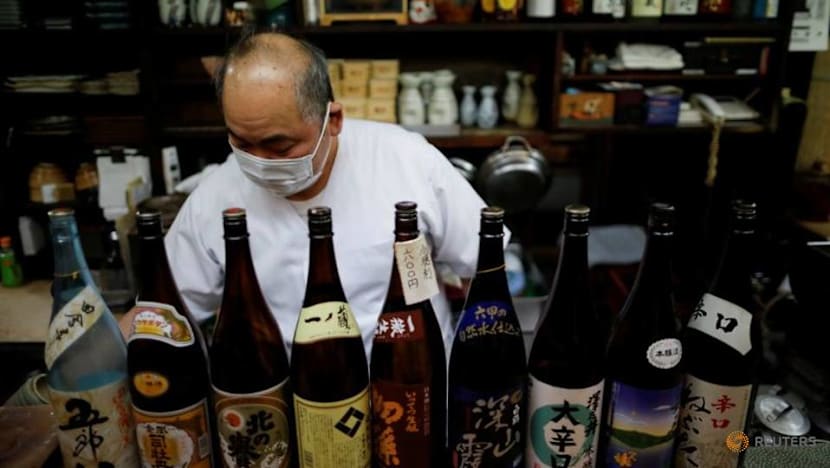
TOKYO: Tinker, tailor, soldier, sailor, pharmacist, tax accountant, bus driver, chef. Name the profession, and Japan is likely to be running perilously low on its practitioners – not just to the point of inconvenience, but to somewhere a little more existential.
So while there is much to welcome in the ruling Liberal Democratic Party’s election of Sanae Takaichi as both its new leader and (we may reasonably assume) the country’s first female prime minister, it is hard not to see some cruelty in the selection.
Her route to power has been set out by inflation, by the deep discomfort it is causing a nation and by her predecessor’s failure to address it. To survive, Takaichi must somehow create public comfort with rising prices while inheriting an economy grappling with the “enshortification” of everything.
After 70 years of nearly unbroken power, the LDP is low on new ideas, and the country is paying the price for many old ones that did not work. More unsolvable than that, though, are decades of adverse demography, the simultaneous ripening of related crises and the increasingly unmissable shrinkage of the workforce.
Those realities leave anyone taking over at this juncture as likely to fail – on multiple fronts, and in ways that their predecessors were largely spared because none of it had quite come to a head as it is now.
ACUTE LABOUR SHORTAGES
Insufficient workers, an ageing workforce, constrained ability to adapt to emerging opportunities, service shrinkflation and the steady contraction of customer satisfaction: Japan’s labour shortages have an acuteness and immediacy to them that make the suggestion that AI, robots or some other technology will quickly step in to save the day sound glib.
Take carpenters – essential in a country where a great deal of construction uses wood. Their numbers have more than halved since 2020, while more than 43 per cent of those still working are over 65. Many projects, large and small, are being delayed.
A shortage of bus drivers has caused operators in Tokyo to cut over 200 services. The military cannot get close to its recruitment targets. The Foreign Ministry revealed earlier this year that it cannot hire enough Japanese chefs for its embassies.
In some parts of the countryside, home deliveries of certain goods are undertaken by scooter riders in their mid-80s. There are genuine concerns across industry that companies are going to run into trouble because Japan no longer has enough tax accountants.
The list goes on. The effect of all this enshortification is that, after decades building an expectation of world-class service, everything feels just a little worse, a little slower, a little less personal, a little less polite, a little messier.
Of course, Japan can absorb all of this. Its effect, though, is to exacerbate the sense of affliction caused by prices rising at levels higher than average salaries. Voter anger has been exploited by new populist parties, but it is no less genuine for that.


JAPAN’S BEST HOPE
Takaichi does not have a lot of options, because enshortification is now baked into Japan’s demographics. Her pledge, minutes after winning last Saturday’s leadership race, that she would abandon work-life balance and toil like a horse may work for her. It isn’t a national policy. Some industries will, inevitably, hone non-human solutions to many of their labour shortage problems, and let the tech do the toiling.
But Takaichi knows that large-scale immigration will, for some years to come, represent Japan’s best hope. And here, perhaps counter-intuitively, her nationalism and hardline conservatism put her at an advantage in two important ways.
The first is that Takaichi has spent three decades in politics making herself quite difficult to attack from the right, even if she leaves the immigration taps relatively wide open. Her scepticism on immigration is a matter of record, her projected fear of an erosion of Japanese culture authentic: if she opens the turnstiles in the face of enshortification, she can present that as reluctant realism.
The second advantage is that Takaichi, unlike her predecessors in the PM’s office, has shown a willingness to discuss immigration in the open, and treat the subject as a necessary public debate.
That is shrewd. Where public anger has been stirred, it has been directed not at immigrants themselves, but at the absence of a serious discussion about what continuing mass immigration means for Japanese culture, public finances and the national sense of self.
Takaichi has given herself the tools to lead that debate, and survive it. Enshortification provides a strong motive to do that now, rather than later.

留言
張貼留言