


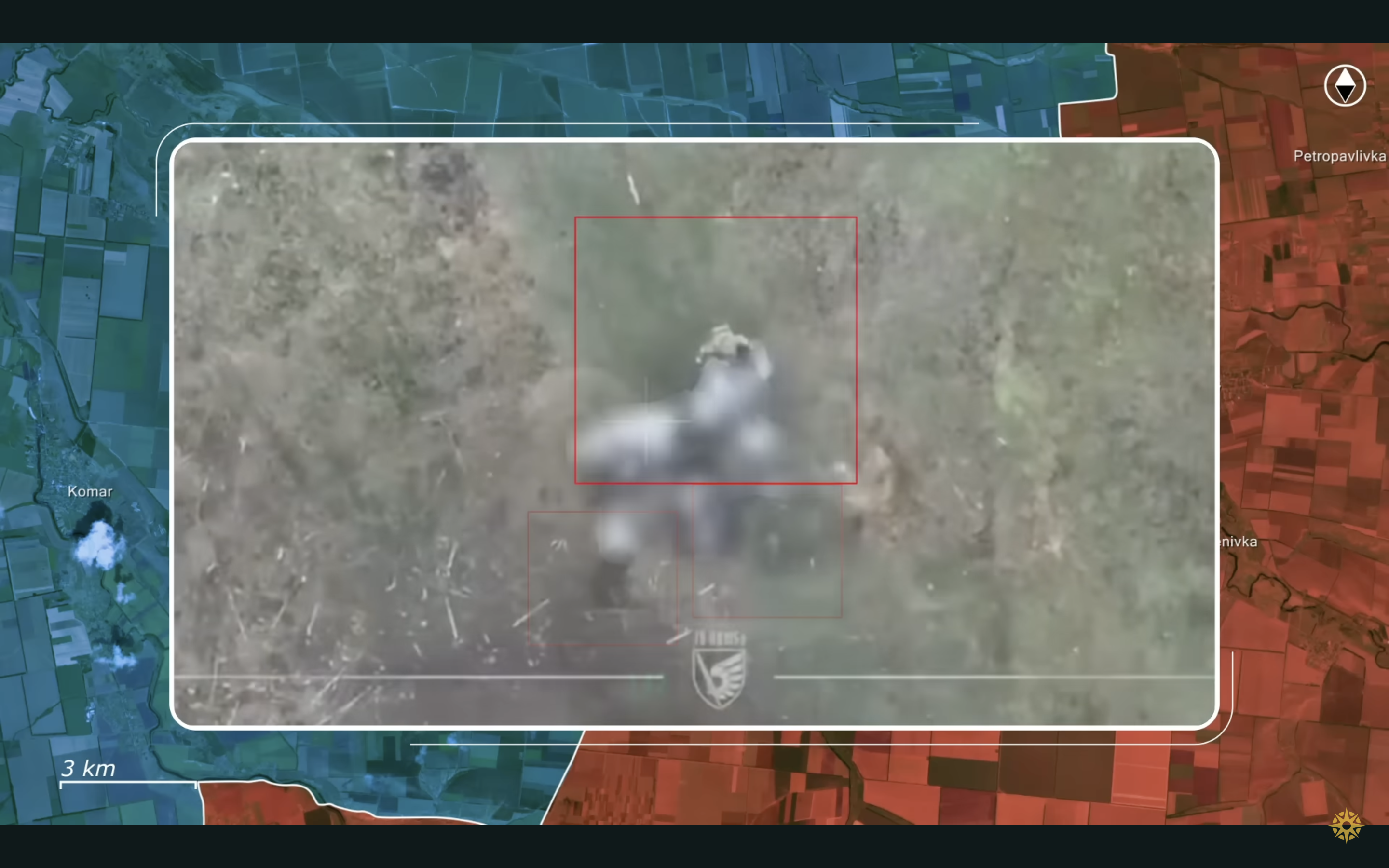
今天,頓內茨克州庫拉霍沃方向傳來有趣的消息。
在這裡,俄國人試圖透過快速的上勾拳攻擊來擾亂烏克蘭防線的後方。事實證明,烏克蘭人早有預料,他們全殲了俄羅斯先鋒部隊,並在田野裡留下了數百名俄羅斯士兵的屍體。
在繼續向頓內茨克州西南部推進的過程中,俄羅斯軍隊又發動了一次代價高昂且徒勞無功的行動,這次的目的是奪取巴哈特爾村。
這次進攻背後的戰略野心顯而易見,俄羅斯指揮部希望沿著扎波羅熱-科斯蒂安特尼夫卡高速公路推進,並有可能向第聶伯羅和頓內茨克之間的地區邊界推進。這個目標並不具有實際的作戰或戰略價值,而是由象徵價值和領土視覺所驅動,佔領更多土地以獲得資訊勝利並擴大頓內茨克市周圍的緩衝區。
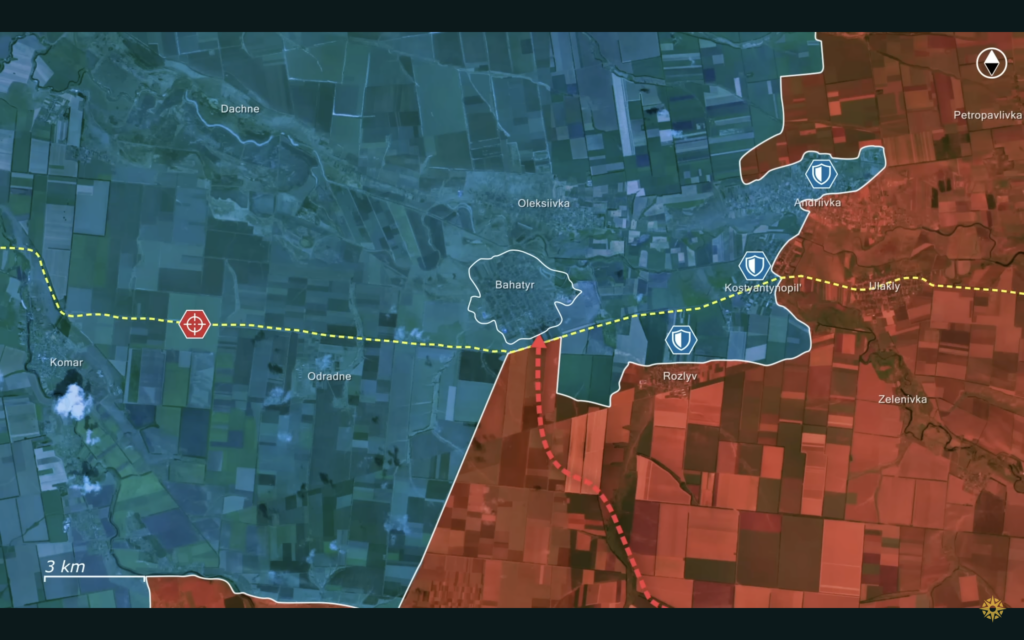
為了實現這一目標,俄羅斯採取了一系列戰術行動,旨在切斷烏克蘭在公路沿線的陣地。這些所謂的「上勾拳」行動試圖從南部突破烏克蘭防線,繞過主要防禦工事,並孤立更西邊的陣地。這種模式已經顯現:首先是達赫內,然後是烏拉基,然後試圖向科斯蒂安特諾波爾推進,每次進攻都涉及側翼進攻,旨在擠壓烏克蘭的後勤,並迫使其分階段撤退。巴哈蒂爾成為這次漸進式攻擊的最新焦點。
在作戰上,俄羅斯試圖採用摩托車和四輪摩托車結合的突擊戰術來進攻巴哈特爾。這些快速襲擊的目標是村莊的側翼和田間道路,目的是滲透到居民區,佔領地下室,並集結兵力來爭奪控制權。從戰術上講,這種攻擊依賴於速度和衝擊力,在增援部隊做出反應之前讓防禦者失去平衡。
但烏克蘭軍隊已經做好了準備,結果對俄羅斯來說是一場災難。這起事件只能被描述為一場大屠殺,數十名俄羅斯士兵在試圖穿越雷區和暴露的道路時在開闊地帶被殺害。

烏克蘭神風無人機以毀滅性的精確度發動攻擊,摧毀了前進中的摩托車隊。雷區撕裂了自行車和四輪摩托車的隊伍。無人機投擲的手榴彈摧毀了剩下的一切。俄羅斯士兵的屍體和殘骸散落在村莊的入口處,導致這次襲擊演變成了一場血戰。這次攻擊甚至未能達到其預定目標,大部分部隊在到達避難所之前就被殲滅了。
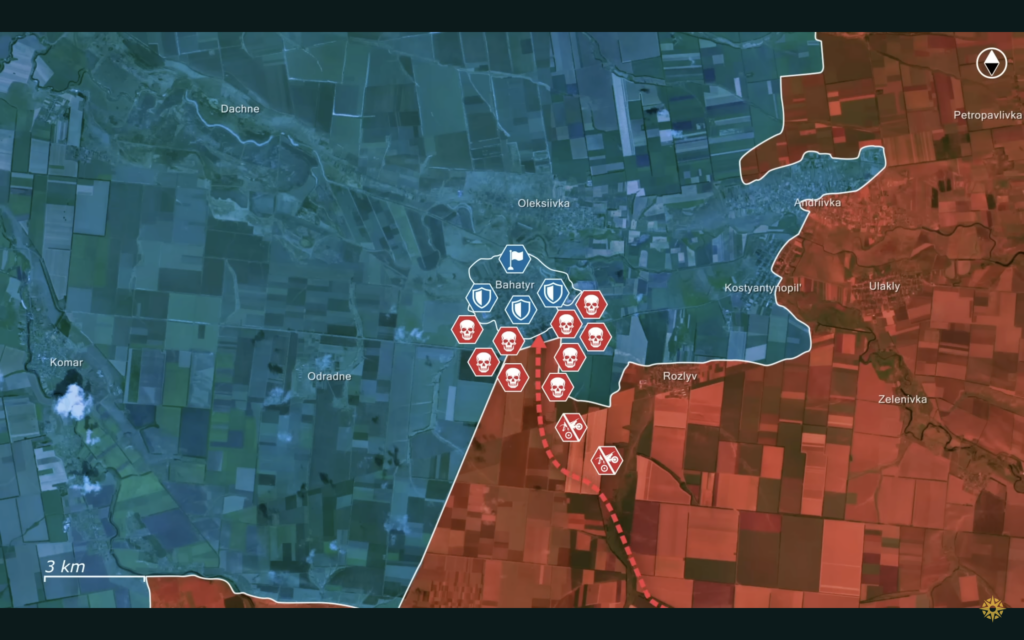
一些俄羅斯士兵確實在夜間行動或火力掩護下成功滲透到巴哈特爾部分地區。此事發生後,烏克蘭特種部隊立即展開清理行動。這些並不是隨機的反應,而是預先協調的掃蕩,旨在阻止俄羅斯軍隊在村莊內集結。
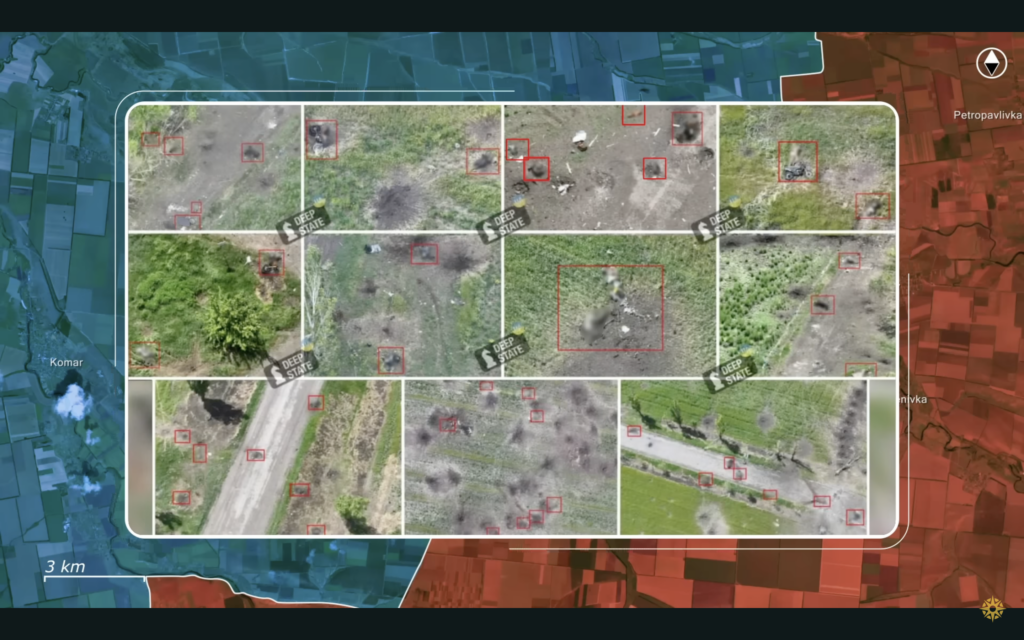
烏克蘭的戰術重點是阻止敵人有時間或空間在定居點內集結臨界規模。如果不加以製止,即使是規模較小的俄羅斯滲透部隊也可能成為立足點,吸引更多兵力,並對北部的烏克蘭防線施加後方壓力。
反擊取得了成功,到最後,烏克蘭人確保了該村 95% 的區域沒有敵人,確保了其作為防禦陣地的功能,因為守住巴哈特爾至關重要。透過抵消俄羅斯的所有成果並讓俄羅斯白白損失數百名士兵,烏克蘭人強調了俄羅斯攻擊的徒勞性以及俄羅斯對戰爭的總體態度,即每天將數千名士兵投入絞肉機,其政治邏輯多於軍事邏輯,但結果卻沒有。
在我們的定期前線報道中,我們與軍事部落格「烏克蘭報道」合作,讓您了解俄烏戰爭戰場上正在發生的事情。

如需更正或澄清,請在此寫信給我們
您也可以反白顯示文字並按 Ctrl + Enter


Russia’s anti-drone cloaks are useless—and troops keep sticking their heads out

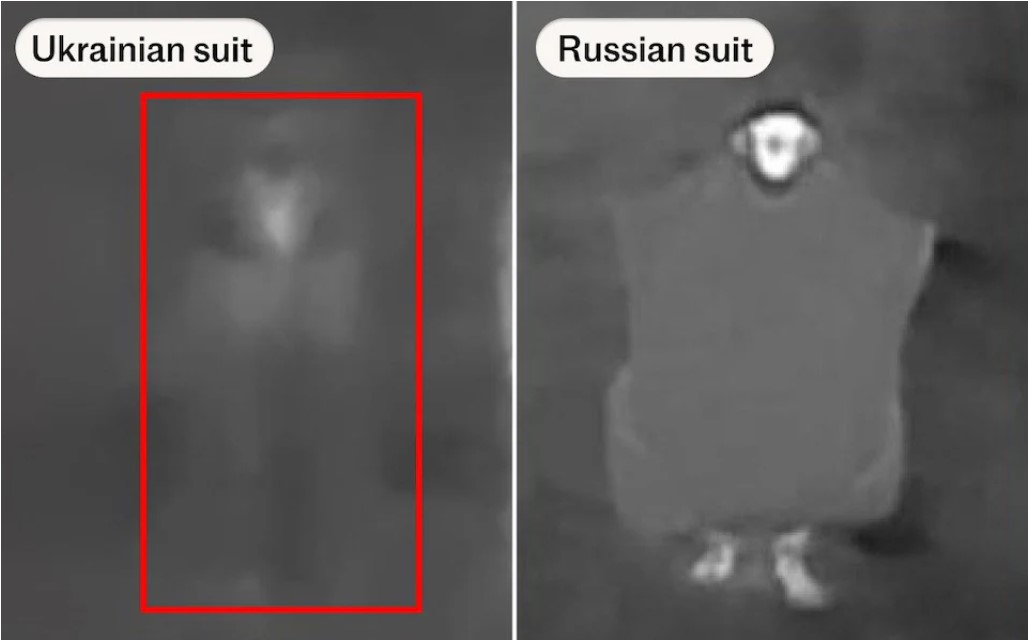
Defective thermal camouflage is exposing Russian troops to Ukrainian drone strikes, making them more visible instead of hidden, according to battlefield footage and military experts.
The specialized coats and blankets are meant to conceal body heat from thermal and night vision sensors. But flawed technology and poor training are turning this gear into a liability. Rather than blending in, the equipment creates cold spots that stand out against warmer terrain—making soldiers easier to detect.
“This is no invisibility cloak,” Hamish de Bretton-Gordon, a former British Army colonel and chemical weapons expert, told The Telegraph. “In fact, because of the contrast, it makes them more acquirable than less.”
Recent footage from the Lyman direction shows Russian troops clearly visible to Ukrainian drones despite wearing the so-called thermal camouflage. After targeting the exposed soldiers, Ukraine’s 63rd Mechanised Brigade mocked them, saying, “The funny occupiers put on anti-drone raincoats and thought that now they are safe.”
Poor training leaves troops visible to drones
The issue extends beyond subpar equipment. Even with better-quality thermal blankets, Russian troops often left arms, legs, or heads exposed due to poor training—making them easy targets for thermal surveillance.
Nick Reynolds, a research fellow at the Royal United Services Institute, told the Telegraph about “instances of incompetence by Russian personnel who clearly do not understand how to use their equipment.”
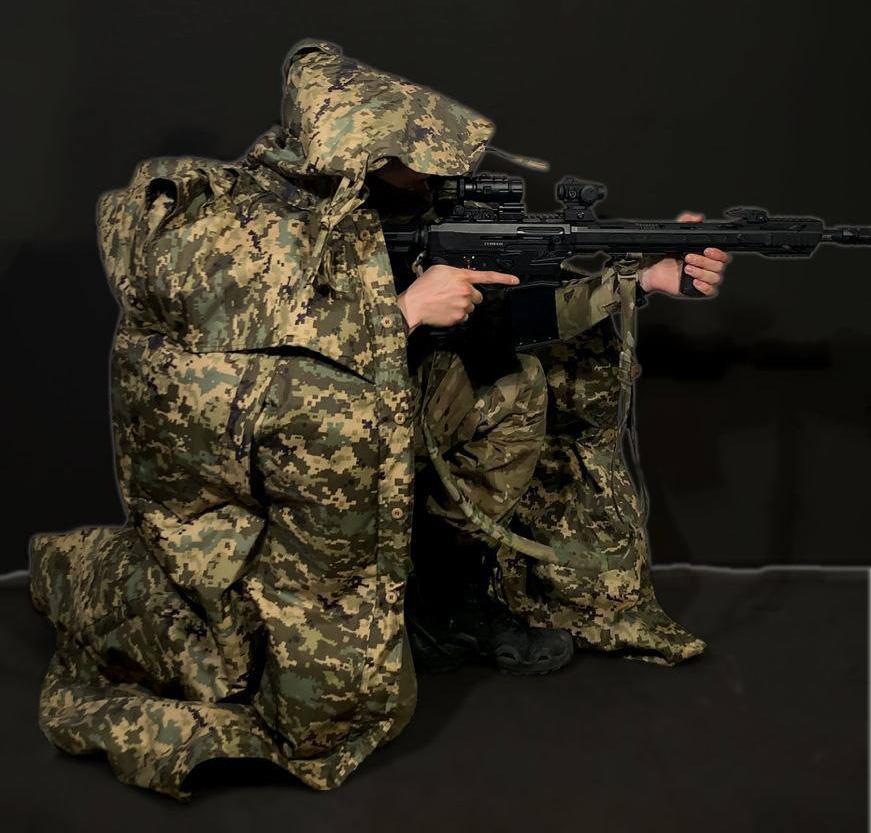
Ukraine uses advanced suits as Russian gear sells cheap
In contrast, Ukrainian forces have reportedly used similar suits “to much better effect.” Ukraine’s camouflage gear weighs 2.5 kilograms and is made of multiple layers of polymers, microfibers, and metal-particle fabrics.
“Our goal is to disguise the military and equipment from the enemy as reliably as possible,” Deputy Defense Minister Vitalii Polovenko said last year.
These failures underscore a broader shift in modern warfare, where Ukrainian drones combine thermal imaging and real-time targeting for precise nighttime strikes. Meanwhile, Russian thermal suits—some reportedly selling online for just $47—raise serious questions about quality.
“It does highlight how difficult it is to hide on today’s battlefield,” de Bretton-Gordon added. “They need to cover their whole bodies.”
As Reynolds noted, the technological gap is only widening: “Thermal cameras on drones are both improving and becoming cheaper as manufacturing processes improve.”
To suggest a correction or clarification, write to us here
You can also highlight the text and press Ctrl + Enter

沒有留言:
張貼留言
注意:只有此網誌的成員可以留言。