蘇聯女孩卡佳·萊切娃如何遇見雷根並幫助結束冷戰
蘇聯女孩卡佳·萊切娃如何遇見雷根並幫助結束冷戰
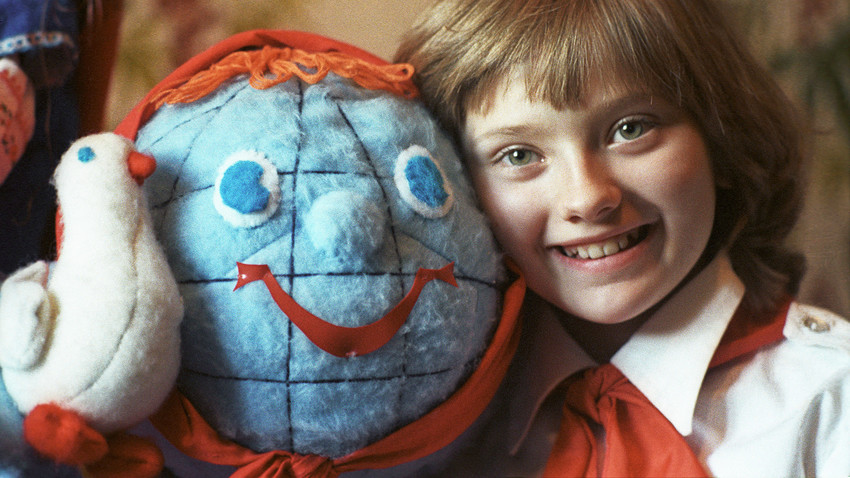
11 歲的 Katya Lycheva 被選為蘇聯駐美國親善大使
Viktor Velikzhanin 和 Valentin Kuzmin/塔斯社1980年代,蘇聯與美國關係瀕臨破裂。軍備競賽達到頂峰,歐洲成為數百枚核飛彈的駐紮地,美國總統雷根公開將蘇聯描述為「邪惡帝國」。看起來全面戰爭即將爆發。
正是在那時,10 歲的美國人薩曼莎史密斯幫助打破了莫斯科和華盛頓之間的僵局。在給總書記尤里·安德羅波夫的一封感人至深的信中 ,她問道:「你們是否要投票發動戰爭?」全世界都注意到了這一點。安德羅波夫回答薩曼莎說,蘇聯沒有人希望發生戰爭,並邀請她來蘇聯訪問。她接受了這個邀請,全世界都關注著她和父母穿越蘇聯的旅程。一路上,莎曼珊了解到蘇聯充滿了善良、和平的人民,她也結識了許多新朋友。她的青春理想主義成為所有人對美好未來的希望的象徵。
不幸的是,1985 年,也就是旅行兩年後,薩曼莎在一次飛機失事中喪生。然而不久之後,另一個女孩承擔起了「全球和平大使」的重任——她就是來自蘇聯的卡佳·萊切娃 (Katya Lycheva)。然而在她的祖國,她卻遠不如薩曼莎那麼受人喜愛。
蘇聯為何不接納卡佳
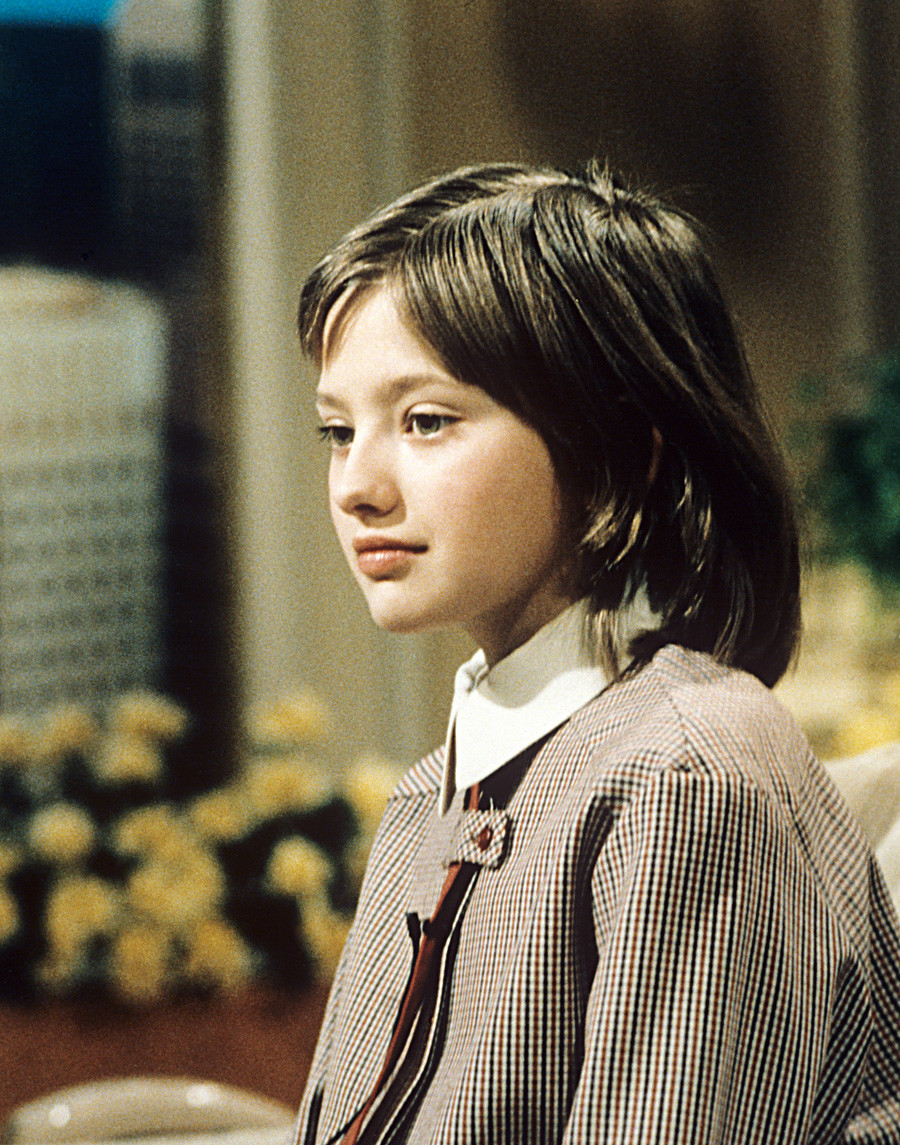
美國紐約。蘇聯女學生卡佳·萊切娃 (Katya Lycheva) 作為蘇聯親善大使訪問美國期間。
塔斯社1986 年卡佳首次被派往美國時,謠言四起:「她是外交部長安德烈·葛羅米柯的親戚,甚至不會說英語。卡佳被誣陷得面目全非。在我看來,這完全是無稽之談。」曾在 20 世紀 80 年代擔任塔斯社記者的柳博芙·米哈伊洛娃 (Lububov) 說道。
事實上,卡佳這次旅行的想法來自於美國人,而不是蘇聯人。在薩曼莎·史密斯和她的父親在一次飛機失事中喪生後,她的母親簡和她創立的兒童和平締造者組織建議蘇聯安排一名蘇聯女學生訪問美國,繼續薩曼莎的使命。
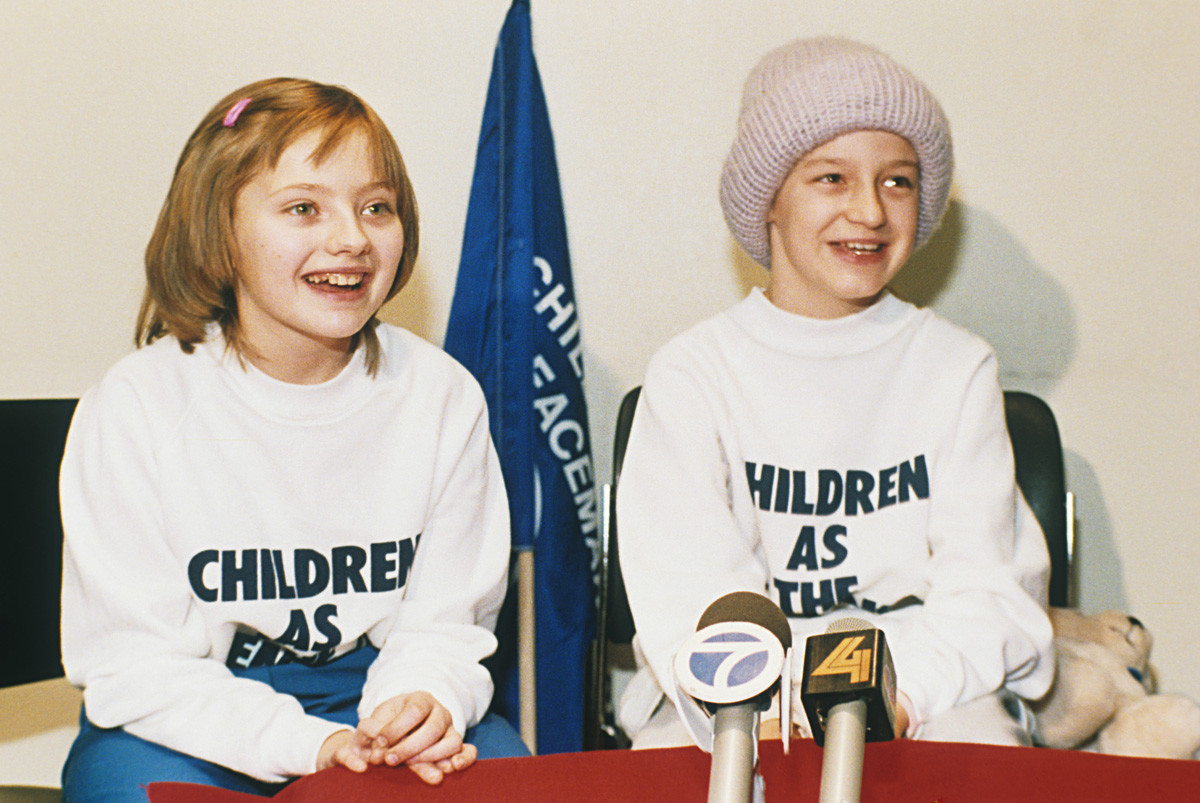
Katya 來訪期間,Katya Lycheva(左)和她的新美國朋友 Star Rowe。
塔斯社蘇聯同意了,並迅速舉行了「試鏡」——約有 6,000 名候選人參加。被選中的人是 Katya Lycheva。現已可以肯定,她在共產黨內沒有家人。她的父母都是學者,她在莫斯科的一所特殊英語學校學習。此外,她擁有相當豐富的表演經驗,曾出演過三部電影。女孩的外表也很重要。卡佳有著金色的捲髮和藍色的眼睛,肯定會受到美國大眾的喜愛。
卡佳遇見羅納德
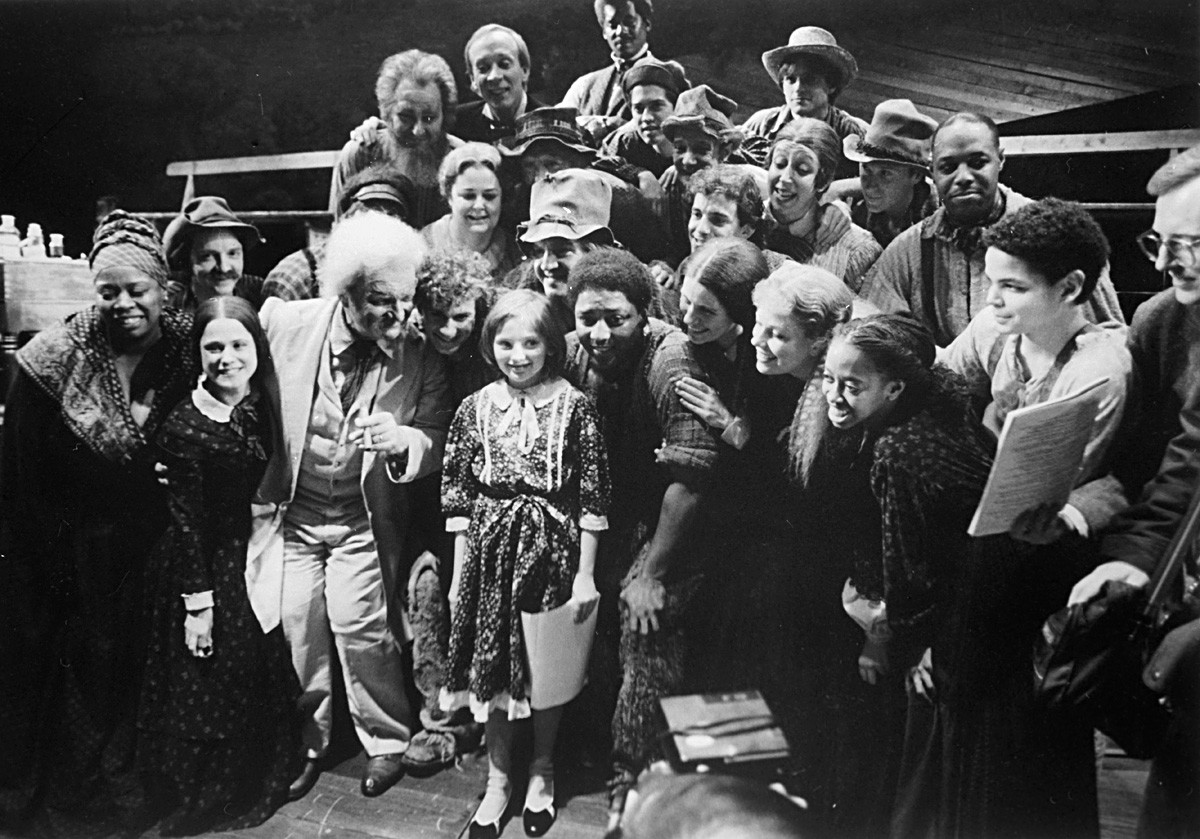
Katya Lycheva 與百老匯劇院的演員們在一起。
莫頓·比比/Sputnik卡佳訪美期間,她的日記在蘇聯媒體上連載,後來出版成集 《卡佳·萊切娃講述》。在書中,她描述了與美國總統的會面:
「五分鐘後,雷根先生出現了,伸出手,說他很高興在白宮見到我。裡根先生回答說,雖然他不再是個玩具,並解釋說這是蘇聯兒童製作的,他們和我們所有人一樣,都希望和平。裡根先生回答說,雖然他不再是個孩子,但他也夢想著和平,並向我保證,他會盡一切努力確保地球上慕過一天,他也沒有時間,他說今天並沒有開玩笑,因為他並沒有時間,他說今天並沒有時間,他說馬戲,他不再說了一天。
Katya 遇見了另一位羅納德
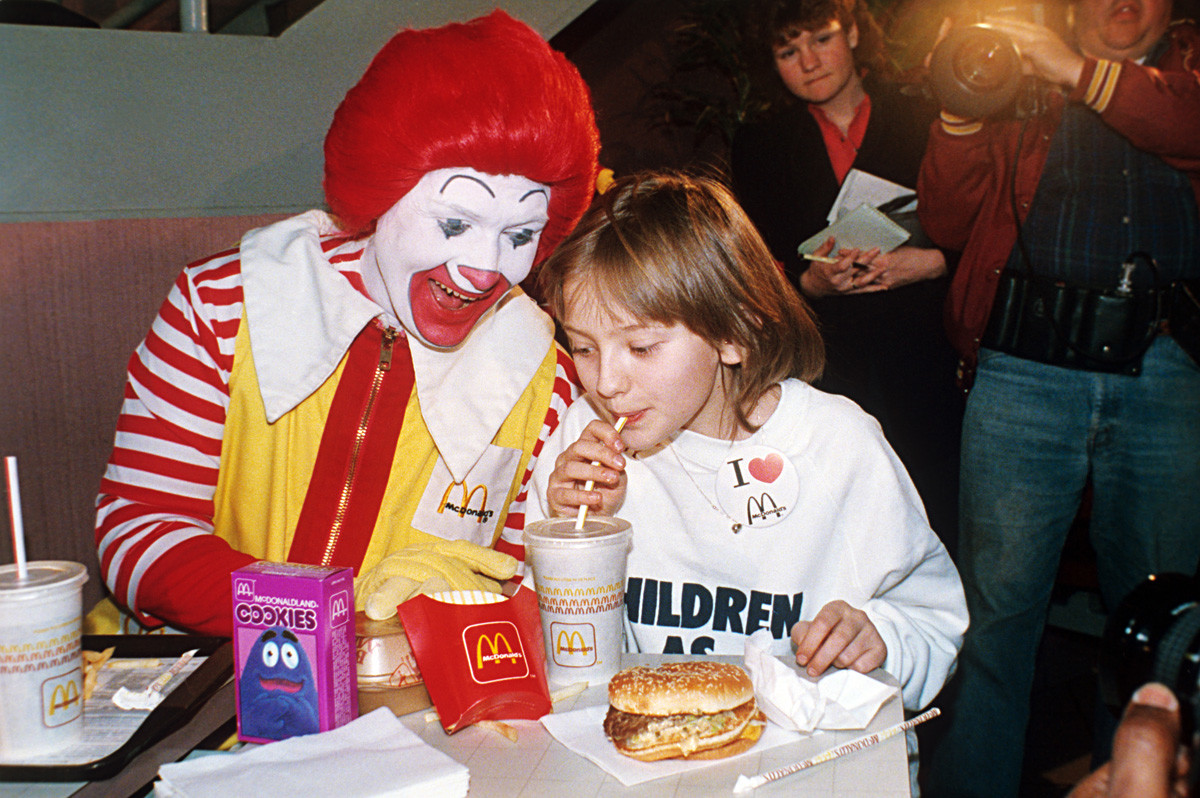
麥當勞的 Katya。
塔斯社當卡佳第一次去麥當勞時,媒體的報導達到了狂熱的程度。看到一個蘇聯女孩在美國大吃巨無霸和炸薯條,引起的轟動絲毫不亞於她與雷根的會面。
「那天我們在麥當勞吃午飯。我早就聽說這是一家著名的連鎖小餐館。在入口處,我們遇到了一個戴著巨大紅色假髮的微笑小丑。我立刻以為我回到了馬戲團……但那裡的一切都很美味。他們給我們帶來了一種戴著巨無霸的開胃三明治和脆脆的土豆片。我都想吃個不停的三明治,但每次都想吃個相機。
在蘇聯,沒有人知道麥當勞是什麼。卡佳 (Katya) 旅行四年後,這個快餐帝國才在那裡開設了第一家分店。在開幕的最初幾個月裡,普希金街的麥當勞餐廳就像是朝聖之地,街道兩旁排著長長的隊伍。
Katya 地板 Rocky
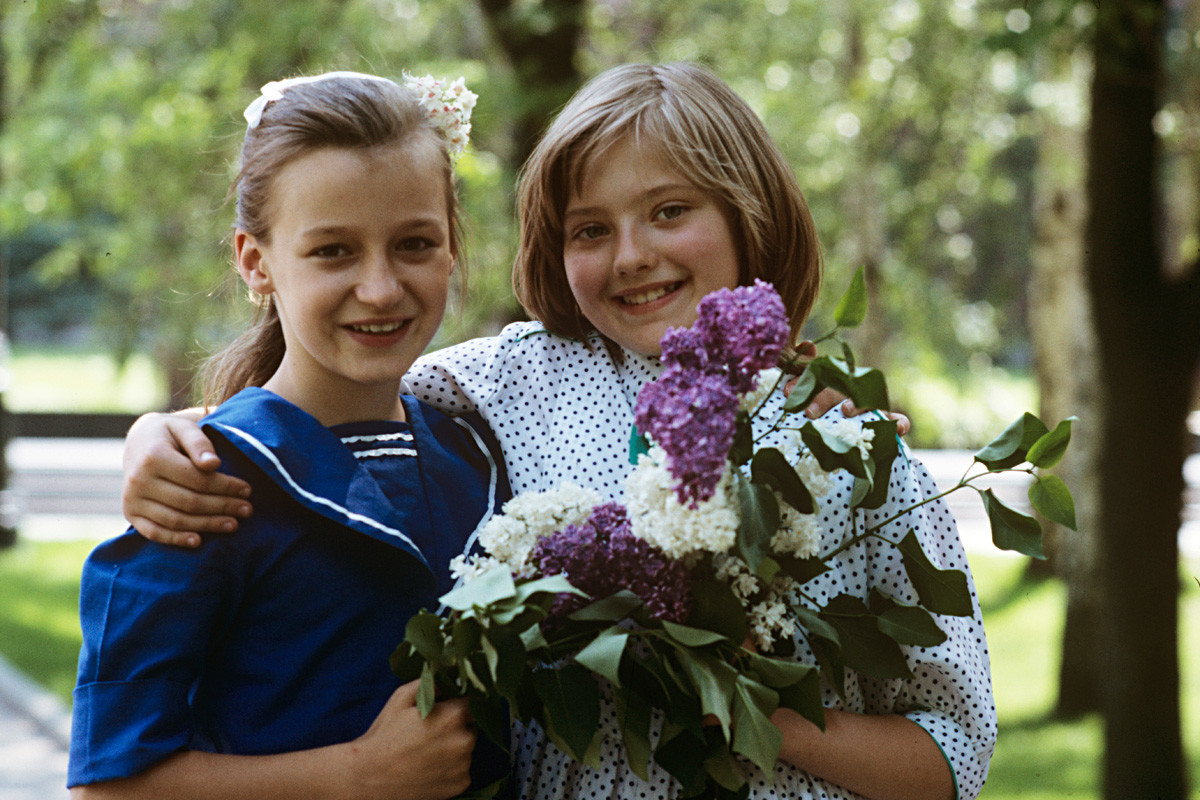
Katya Lycheva 和她的美國朋友 Star Raw 在莫斯科漫步。
伊戈爾·米哈廖夫/Sputnik卡佳對美國之旅的印象並不全是正面的。最讓她震驚的是電影 《洛基 4》,其中西爾維斯特史泰龍飾演的主角面對蘇聯機器德拉戈(杜夫龍格爾飾演)。她在筆記中寫道:「當 [德拉戈] 殺死 [克里德] 時,我跑進臥室,撲倒在床上,淚流滿面。我們的國家被如此虛假和殘酷地描繪,這讓我很難過…
第二天,我在電視採訪中說:“《洛奇4》裡沒有一句是真實的,連蘇聯人的面容都不像他們真實的樣子。我為拍這部電影的成年人感到羞恥。”
她的言論在美國媒體上引起軒然大波:「這部電影令人反感的不是人物之間的衝突,而是它不斷、毫無掩飾地向觀眾施加壓力,讓他們蔑視、憐憫和貶低俄羅斯人民和他們的政府。」《芝加哥論壇報》 的卡羅爾·巴塞特 在支持卡佳的文章中 寫道。
回到家
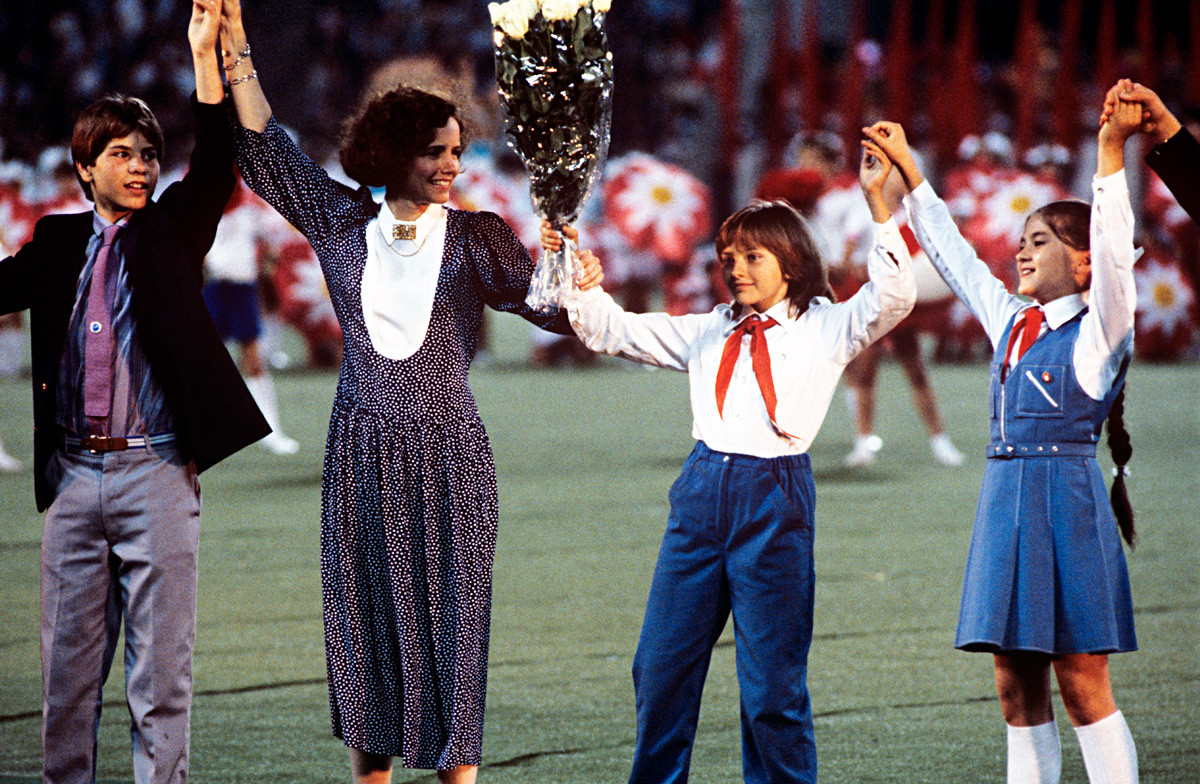
逝世美國和平特使薩曼莎·史密斯的母親簡·史密斯(左二)和卡佳·利切娃(右二)參加莫斯科第一屆友好運動會開幕式。
尤里·阿布拉莫奇金/Sputnik在她旅行後的幾天和幾周里,卡佳成為了蘇聯的頭條新聞——每個人都想知道美國是什麼樣子,那裡的人們吃什麼,怎麼穿,讀什麼書。她參加過公共活動,收到大量電子郵件,也流傳過關於她的故事和軼事。因此,她幾乎沒有時間過正常的生活和與同齡人接觸。
最後,卡佳和她的家人決定,他們受夠了媒體的關注。此後不久,卡佳·萊切娃的名字就從蘇聯新聞中消失了。她和母親移居法國,在巴黎大學學習,獲得經濟學和法律學位,並在那裡工作了幾年,然後在 2000 年返回俄羅斯。如今,成年的葉卡捷琳娜原則上拒絕接受記者採訪——她童年所受到的關注已經足夠她一生的關注了。
如果使用《Russian Beyond》的全部或部分內容,請務必提供原始資料的有效超連結。
How Soviet girl Katya Lycheva met Reagan and helped end the Cold War
11-year-old Katya Lycheva was chosen to be a Soviet Goodwill Ambassador to the U.S.
Viktor Velikzhanin and Valentin Kuzmin/TASSIn the 1980s, relations between the USSR and the US were at near breaking point. The arms race was peaking, Europe was a stationing ground for hundreds of nuclear missiles pointing in either direction, and US President Ronald Reagan openly described the Soviet Union as an “evil empire.” It seemed that full-scale war was a heartbeat away.
It was then that 10-year-old American Samantha Smith helped break the ice between Moscow and Washington. In a heartfelt letter to General Secretary Yuri Andropov, she asked: “Are you going to vote to have a war or not?” The world sat up and took note. Andropov answered Samantha, assuring her that no one in the USSR wanted war, and invited her to visit the country. She accepted the offer, and the whole world followed her journey across the USSR with her parents. Along the way, Samantha understood that the USSR was full of kind, peaceful people, and she made many new friends. Her youthful idealism became a symbol of hope for a better future for all.
Tragically, in 1985, just two years after her trip, Samantha was killed in a plane crash. Soon, however, another girl assumed the mantle of “global peace ambassador” – Katya Lycheva from the Soviet Union. In her homeland, however, she was far less loved than Samantha.
Why the USSR didn't embrace Katya
New York, USA. Soviet school girl Katya Lycheva during her visit to the USA as a Soviet Goodwill Ambassador.
TASSWhen Katya was first sent to the US in 1986, rumors circulated that “she was a relative of Foreign Minister Andrei Gromyko, and could not even speak English. A lot of dirt was poured over Katya. It's completely unjustified in my view,” says Lyubov Mikhailova, who worked as a TASS journalist in the 1980s.
In fact, the idea for Katya’s trip came from the Americans, not the Soviets. After the death of Samantha Smith and her father in a plane crash, her mother Jane and the Children as Peacemakers organization, which she founded, suggested that the USSR arrange for a Soviet schoolgirl to visit the U.S. in continuation of Samantha’s mission.
Katya Lycheva (L) and her new American friend Star Rowe during Katya's visit.
TASSThe Soviet Union agreed, and promptly held “auditions” – attended by around 6,000 hopefuls. The chosen one was Katya Lycheva. It is now known for sure that she did not have family inside the Communist Party. Her parents were academics, and she studied at a special English school in Moscow. What’s more, she had quite a bit of acting experience, having appeared in three films. The girl’s appearance was also important. With her fair curls and blue eyes, Katya was sure to be liked by the American public.
Katya meets Ronald
Katya Lycheva together with actors of Broadway theatre.
Morton BiBi/SputnikDuring Katya’s trip to the US, her diary notes were serialized in the Soviet media, and later published in the collected volume Katya Lycheva Tells. In it, she describes meeting the US president:
“After five minutes, Mr. Reagan appeared, stretched out his hand, and said he was very pleased to see me in the White House. I gave him a toy and explained it had been made by Soviet children, who, like all of our people, want peace. Mr. Reagan replied that although he was no longer a child, he too dreamed of peace, and promised me that he would do everything to ensure there were no nuclear weapons left on Earth. He wished my mother and me a good time in America, and said he envied us because we’d been to the circus the day before, while he didn’t time to go there.”
Katya meets the other Ronald
Katya at McDonald's.
TASSWhen Katya went to McDonald’s for the first time, the press coverage reached fever pitch. The sight of a Soviet girl feasting on a Big Mac and fries in America caused no less a sensation than her meeting with Reagan.
“We had lunch that day at McDonald’s. I’d already heard it was a well-known chain of small restaurants. At the entrance, we were met by a smiling clown in a huge red wig. I immediately thought I was back at the circus... But everything there was really tasty. They brought us an appetizing sandwich called a Big Mac and crunchy slices of potato. I wanted to eat the sandwich, but every time I raised it to my mouth, there was such a flash of cameras that it was impossible to tuck in.”
Back in the USSR, no one had a clue what McDonald’s was. It would be another four years after Katya’s trip before the fast-food empire opened its first outlet there. For the first few months of its existence, the McDonald’s restaurant at Pushkinskaya was a kind of pilgrimage site, with endless lines of people snaking around the streets.
Katya floors Rocky
Katya Lycheva and her American friend Star Raw strolling in Moscow.
Igor Mikhalev/SputnikKatya’s impressions from her American adventure were not all positive. Above all, she was shocked by the movie Rocky IV, in which Sylvester Stallone’s title character faces the Soviet machine Drago (played by Dolph Lundgren). She wrote in her notes: “When [Drago] killed [Creed], I ran into the bedroom, threw myself on the bed, and burst into tears. I was hurt by how our country was so falsely and cruelly portrayed...
The next day, I said in a TV interview: “There was not a word that was true in [Rocky IV]. Even the faces of the Soviet people were not the way they really are. I’m ashamed of the adults who made the film.”
Her remarks caused a stir in the US media: “What is objectionable about this film is not the conflict between the characters but the constant and unabashed pressure on the audience to scorn, pity, and demean the Russian people and their government,” wrote Carol Basset of the Chicago Tribune in support of Katya.
Back home
Jane Smith (second on the left), mother of the died U.S. peace envoy Samantha Smith and Katya Licheva (second right) participate in the opening ceremony of I Goodwill Games in Moscow.
Yury Abramochkin/SputnikIn the days and weeks after her trip, Katya was a huge news item in the USSR – everyone wanted to know what America looked like, what people there ate, how they dressed, what they read. She took part in public events, received sackfuls of mail, and had stories and anecdotes told about her. As a result, she had little time for normal life and contact with her peer group.
In the end, Katya and her family decided they’d had enough of the media spotlight. Soon afterward, the name of Katya Lycheva disappeared from Soviet news. She and her mother moved to France, where she studied at the Sorbonne, graduated in economics and law, and worked there for a few years, before returning to Russia in 2000. Today, the grown-up Ekaterina refuses to speak to journalists on principle – the attention she received as a child was more than enough for one lifetime.
If using any of Russia Beyond's content, partly or in full, always provide an active hyperlink to the original material.
Subscribe
to our newsletter!
Get the week's best stories straight to your inbox
訂閱
訂閱我們的新聞通訊!
將本週最佳故事直接發送到您的收件匣

留言
張貼留言