莫里奧里和平公約(努努庫法)(15 世紀 - 現存,紐西蘭雷北市)

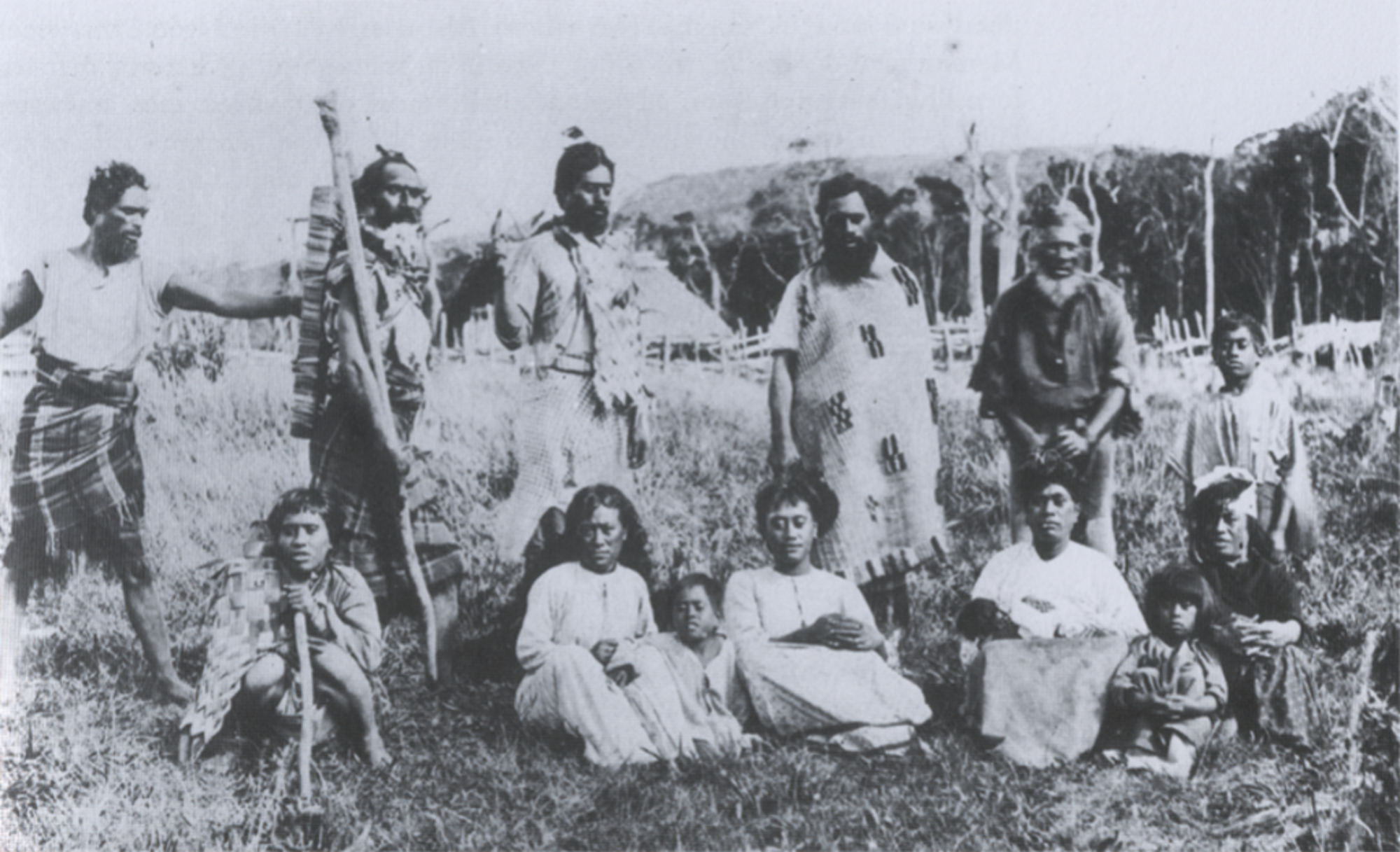
莫里奧里和平公約(努努庫法)(15 世紀 - 現存,紐西蘭雷北市)
莫里奧里和平公約(努努庫法)是長期致力於和平、非暴力和子孫後代的非凡典範。該法律於 15 世紀建立,旨在禁止 Rēkohu(新西蘭查塔姆群島)的土著莫里奧里人之間的暴力行為。儘管面臨毛利部落恩加蒂 (Ngāti)、穆通加 (Mutunga) 和恩加蒂塔瑪 (Ngāti Tama) 的巨大侵略和壓迫,以及後來來自歐洲定居者的歧視,莫里奧里人仍然堅持非暴力的承諾。
儘管這導致了悲慘的損失,但「聖約」成為了堅韌和正直的有力像徵。努努庫法律獲得全球認可,影響了現代和平努力,促進了莫里奧里文化的復興,成為代際和平建設和永續發展的典範。儘管《聖約》影響了蒂懷蒂、托胡和聖雄甘地等著名非暴力領袖,但它在新西蘭和全球範圍內仍然鮮為人知,這種情況需要更多的認可。
THE MORIORI PEACE COVENANT (NUNUKU’S LAW) (15TH CENTURY – ONGOING, REHOKU, NEW ZEALAND)
The Moriori Peace Covenant (Nunuku’s Law) is an extraordinary example of a long-standing commitment to peace, non-violence, and future generations. Established in the 15th century, it prohibits violence among the indigenous Moriori of Rēkohu (Chatham Islands, New Zealand). Despite facing immense aggression and oppression from Māori tribes Ngāti, Mutunga and Ngāti Tama, and later discrimination from European settlers, the Moriori upheld their commitment to non-violence.
Though this led to tragic losses, the Covenant became a powerful symbol of resilience and integrity. Recognised globally, Nunuku’s Law has influenced modern peace efforts and contributed to Moriori cultural revival, making it a model for intergenerational peacebuilding and sustainability. Despite influencing renowned non-violent leaders like Te Whiti, Tohu, and Mahatma Gandhi, the Covenant remains relatively unknown both in New Zealand and globally – a situation that calls for greater recognition.

留言
張貼留言