武士:神話與現實
武士:神話與現實
武士……是電影、動漫,當然還有電子遊戲的永恆靈感來源。好吧,他們可能不完全是你想像的那樣。
如今,您在媒體上通常看到的武士都脫離了現實,更不用說取材自歷史的一小部分了。根據電視、漫畫和整個電子遊戲中一致的圖像,你可能會認為武士總是一模一樣,但事實是,武士的品質隨著時間的推移和你通常在遊戲中看到的武士類型發生了巨大的變化。

事實上,我們今天看到的武士形象的大部分靈感只是出現在 17 世紀,但無論現代武士娛樂聲稱是在哪個時期,你都會看到相同的刻板武士特徵,無論它們是否存在代表了各自的時間範圍。
榮譽、忠誠、武士道和劍等詞通常都與武士有關。然而,事實上,在武士文化的大部分歷史中,這些概念都不是武士文化的重要因素。你在媒體上看到的關於武士的描述通常是不正確的、離譜的或嚴重誇大的。
武士起源於日本平安時代(公元 794-1185 年)(“武士”源自“saburafu”,意思是“服務”)。他們是當地的強人,受軍事貴族僱用,帶著他們作為僕人前往首都。儘管典型的現代武士形象可能會讓你相信什麼,但這些人身上沒有任何忠誠、俠義或高貴的東西。如果有什麼不同的話,那就是他們是雄心勃勃的戰士,他們的追求高於一切。他們並沒有透過一些不成文的榮譽準則來忠於他們的主人(讀作:武士道或「武士之道」在這一點上還不存在),而且無論怎麼想,他們本質上也不是善良的。他們之所以忠誠只是因為他們的服務得到了回報,而且他們的忠誠可能隨時都改變。宮廷為鎮壓叛亂的人提供了強有力的金錢激勵,因此武士們會熱切地執行命令,無論附加什麼道德條件,常常會殺害自己的戰友。此時的武士只不過是受僱的暴徒。不向國王或國家召喚的僱傭兵。
這是忠誠的一個很好的例子,對吧?一點也不。 「忠誠的戰士」的想法是圍繞武士的更強烈的概念之一,但直到武士出現幾個世紀後,它才成為一個因素。例如,如果您閱讀有關生活在 12 世紀的著名武士的日本古老故事,這可能會產生誤導,因為這些故事中有許多極端忠誠的例子。問題是,其中許多故事都脫離了原來的背景,並在幾個世紀後重寫,以反映那個時代的理想化價值觀,而不是過去的價值觀。這些重新編輯的彙編中有許多是目前普遍流通的版本,可能需要一些挖掘才能發現較舊的、較少修飾的版本。
為了舉例說明這些故事如何隨著時間的推移而變化以反映特定時代的理想化美德,請考慮兩位著名的日本將軍的死亡:源義仲和源義經。在《平家物語》 (平家物語)的最早版本(源氏家族與平氏家族為爭奪日本統治地位而進行的戰爭編年史)中,寫於最接近他們去世時間的12 世紀末,兩位武士都被描述為被敵人殺害。然而,在後來的重述中(例如《巴與義經:15世紀編年史》),兩個角色都選擇了切腹(儀式性自殺)。這說明了歷史如何被重寫,以便人們可以看到過去他們想看到的東西,無論它是否真實。重要的是,我們要意識到,如果我們不能批判性地思考和挑戰不正確的事情,歷史就很容易被操縱。

這是重寫歷史的另一個例子。在源平戰爭中義經的努力的最早資料中,「弁慶」這個名字從未被提及。然而,在重述同一事件的《義經:15世紀編年史》中,義經與一位身高七英尺、名叫弁慶的武士和尚成為了朋友,後者成為了他誓言的保護者,直至生命的最後一刻。這位身材高大的僧侶至今仍因其對義經的不朽奉獻而受到人們的讚譽,而他著名的立死已成為非凡忠誠和目標的主題。
事實上,弁慶可能根本不存在。他更可能是 15 世紀浪漫主義思想的虛構作品,他們希望體現忠誠的美德,而這種美德正在成為那個時期理想化武士的一部分。考慮到我剛剛給出的兩個隨時間發展的武士理想的例子(儀式性自殺和忠誠),毫不誇張地說,德川時代(公元 1600-1868 年)之前存在的武士根本不存在。就像你今天在動漫、電玩和其他媒體中看到的那樣。直到 17 世紀,武士才成為像今天這樣帶給我們娛樂和啟發的人物。
再次提到平安時代,武士在這個時代對保護地主和貴族至關重要,並對日本的戰爭行為形成了某種「壟斷」。如果爆發衝突,可以肯定的是,所有相關方都會派出武士參戰。
貴族廣泛僱用武士最終導致了 1156 年保元之亂的衝突,其中皇室與強大的藤原家族之間在宮廷中發生了內部衝突。雙方都召集家臣,率領騎兵大軍進京,爭奪朝廷的控制權。後白河天皇在平氏的支持下,擊敗了源氏支持的藤原氏。然而,僅僅三年後,源軍又捲土重來,與平家作戰,發生了後來的平次事件。源武士再次被壓得四散。然而,二十多年後,他們再次捲土重來,發動了源平戰爭(1180-1185),最終戰勝了平氏。源賴朝隨後建立了鎌倉幕府,標誌著持續數百年的武士統治的開始。
然而,在戰國時代(1467-1573),農民幾個世紀以來第一次作為步兵重新參與日本戰爭,因此武士不再是戰爭的唯一實踐者。他們扮演了軍官的角色,這樣他們的地位就高於被徵召入伍的農民,但他們需要找到更切實的方法來將自己與平民區分開來。因此,他們被迫回答一個難題:是什麼讓他們天生就比其他人更好?
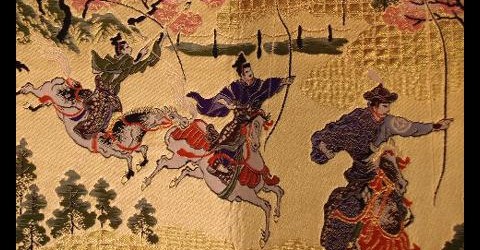
15、16世紀以前,你知道武士最喜歡的武器是什麼嗎?它肯定不是武士刀、闊劍或任何其他類型的劍。事實上,在 17 世紀初德川家康發表聲明之前,根本沒有提及刀劍是「武士的靈魂」。在此之前,武士其實是弓箭手,他們精通弓箭,必要時偶爾會使用其他武器。在武士歷史的大部分時間裡,劍並不是武士的重要武器。

直到 15 世紀和 16 世紀,當武士被迫提升自己高於普通士兵的壓力時,刀劍學校才大量出現。由於這段時期軍隊規模大幅增加(由於重新引入農民步兵參加戰爭,現在戰鬥由10至20,000名士兵進行),劍在混亂的近距離戰鬥中變得實用。因此,武士會訓練成為劍術大師,以便他們可以確認自己的軍事技能優於農民。
這也標誌著對武術的高度關注以及透過武術完善自我的持續任務的開始。武術的實踐使得許多武士雲遊四方,向其他門派的學生和大師發起挑戰,以確立他們的霸主地位。這聽起來幾乎像是《武士之道》遊戲的概要,不是嗎?
考慮到武士是在其存在的大部分時間裡使用弓箭的騎兵,有趣的是我們幾乎從未在電子遊戲或其他媒體中看到他們以這種方式描繪。但這並不是當代武士形像中出現問題的全部。
然而,即使武士理想變得最為僵化,在德川時代流行起來的儒家新思想似乎比任何成文法典更能激發我們今天所知的武士道德。新儒家將忠誠置於其意識形態的核心,並提倡理性主義、社會和諧和學習。這些想法不僅抓住了理想化德川武士的精髓,而且還反映了 21 世紀武士娛樂中常見的刻板印象。
至於榮譽本身更開放的問題,榮譽對武士意味著什麼?無論是在戰鬥內或戰鬥外,對平安時代的武士來說,這當然毫無意義。然而,它在武士歷史的後期變得極為重要,諷刺的是在和平時期。德川時代,它在政治和社會行為中佔據顯著地位。然而,就戰鬥行為而言,我們西方的「榮譽」概念在任何時候對武士來說都沒有多大意義。武士最重視實用性。在戰爭中,他們經常破壞休戰協議,伏擊對手,在半夜發動攻擊,並利用任何可以給他們帶來優勢的欺騙手段。正如我們在中世紀歐洲相對誠實的戰爭行為中所看到的那樣,榮譽的概念在日本文化中並沒有對應的概念。按照我們對戰時戰術的定義,他們的戰時戰術一點也不「光榮」。如果一個人不時刻提防欺騙,這可能會給他們的軍隊帶來毀滅。

您可能已經注意到本文中反覆出現的主題。也就是說,我們今天看到的武士形象幾乎完全取材自德川時代,忽略了武士的存在的很大一部分。考慮到這一點,這裡有一些值得深思的地方:德川時代是日本社會前所未有的和平時期。對專門的武士沒有任何真正的需求,因此武士主要僅以名義和地位為生。他們的劍本質上是用於裝飾目的(以及無關緊要的決鬥),武士的理想目標是在政府中獲得職位,而不是為了錢而騎馬上戰場殺人。他們本質上只不過是一個享有與生俱來的特權的統治階級,與過去兇猛的武士完全脫節。有必要創造諸如佩劍、禮儀性飲茶和其他獨特的「武士特徵」等傳統,以避免它們不可避免的廢除。誠然,它們對日本文明來說是多餘的負擔。膨脹的統治階級(佔人口的 5-10%)對社會貢獻甚少,卻消耗了大量財富。也就是說,為了國家的進步,在明治維新時期消滅他們是絕對必要的。
當與他們殘酷的武士祖先相比時,德川武士就像廉價的模仿者,未能捕捉到其源材料的本質,而是創造了一種新現象。從這項研究中獲得的最重要的知識是我們今天在流行文化中看到的武士是基於德川對原始武士的捏造而捏造的。就像德川「武士」貴族以及《巴與義經:15世紀編年史》等故事的作者一樣,我們採用了過去文化的碎片,並為其註入了修飾或純粹虛構的元素,以便它符合我們的理想。
今天的武士形像以德川武士為主題,根據現代觀眾的需求進行定制,忽視了武士在其存在的大部分時間裡與我們想像的完全不同的事實,並將不斷變化的武士階層重新包裝成一個簡化的形象。對西方來說,武士形象的吸引力只是我們迷戀東方主義的另一個例子:所謂的東亞異國情調。就日本人而言,流行文化對武士的重塑——這個社會階層已經存在一百多年了,可以說在此之前很久就已經失去了本質——體現了一種讓日本脫穎而出的強烈願望世界的。重新改造的武士和他們經過精心修飾、常常是虛構的理想為日本文化開闢了另一條陣線,普通日本人可能和任何外國人一樣感到困惑。
你好世界!
歡迎來到WordPress.com。這是您的第一篇文章。編輯或刪除它並開始寫部落格!
The Samurai: Myth Versus Reality
The samurai… a timeless source of inspiration for movies, anime and, of course, video games. Well, they may not be quite what you think they were.
The samurai you typically see in media today are stretched and skewed from actuality, not to mention drawn from a small section of history. You’d think that the samurai were always one and the same based on the consistent images on TV, in manga, and throughout video games, but the truth is that samurai qualities have dramatically changed over time and the types of samurai you usually see in anime and games are the relatively recent manifestation of a constantly changing warrior class.
In fact, much of the inspiration for the samurai image we see today only emerged in the 17th century, and yet no matter what time period modern samurai entertainment claims to be set in, you see the same stereotypical samurai characteristics regardless of whether or not they are representative of their respective time frame.
Words like honour, loyalty, bushido, and the sword are commonly pinned to the samurai . However, in truth, none of these concepts were big factors of samurai culture for most of its history. What you see in the media about samurai is usually incorrect, offbase, or deeply exaggerated.
The samurai originated during the Heian period (794-1185 A.D.) in Japan (‘samurai’ is derived from ‘saburafu’, which means “to serve”). They were local strongmen employed by military nobles who brought them along as servants on trips to the capital. Despite what the typical modern samurai image may lead you to believe, there was nothing loyal, chivalrous, or noble about these men. If anything, they were ambitious warriors who sought to enrich themselves above all else. They were not loyal to their masters by decree of some unwritten honour code (read: bushido or “the way of the warrior” didn’t exist at this point), nor were they inherently good by any stretch of the imagination. They were loyal only because they were rewarded for their services, and their allegiances could shift at any time. The court provided strong monetary incentives to those who put down rebellions, and thus samurai would eagerly carry out orders no matter what moral strings were attached, often killing their fellow warriors. The samurai at this point in time were nothing but employed thugs; mercenaries with no calling to king or country.
That’s a great example of loyalty, right? Not at all. The idea of the “loyal warrior” is one of the stronger conceptions surrounding the samurai, but it wasn’t a factor until many centuries after their emergence. This can be misleading if you read old Japanese stories about famous warriors living in the 12th century, for instance, as there are many examples of the utmost loyalty in these tales. The thing is, many of these tales were taken out of their original context and rewritten centuries later to reflect the idealized values of that time, not those of the past. Many of these re-edited compilations are the versions that are presently in common circulation, and it can take some digging to unearth the older, less embellished editions.
To give you an example of how these stories have changed over time to reflect the idealized virtues of a particular era, consider the deaths of two famous Japanese generals: Minamoto no Yoshinaka and Minamoto no Yoshitsune. In the earliest versions of the Heike monogatari (a chronicle of the war between the Minamoto and Taira clans for dominance of Japan) written closest to the time of their deaths in the late 12th century, both warriors were described as being killed by their enemies. However, in later retellings (Tomoe and Yoshitsune: A 15th Century Chronicle, for example), both characters commit seppuku (ritual suicide) instead. This illustrates how history can be rewritten so that people see what they want to see in the past, whether or not it is true. It is important that we are aware that history can easily be manipulated if we fail to think critically and challenge what is incorrect.
Here’s another example of rewritten history. In the earliest sources revolving around Yoshitsune’s endeavours in the Genpei war, the name “Benkei” is never once mentioned. However, in Yoshitsune: A 15th Century Chronicle, a retelling of the same events, Yoshitsune befriends a seven-foot tall warrior monk named Benkei who becomes his sworn protector to the very end. The enormous monk is celebrated to this day for his undying devotion to Yoshitsune, and his famous standing-death has become a motif of extraordinary loyalty and purpose.
The truth is, Benkei probably never existed. He is more likely the fictive work of romanticizing minds in the 15th century who wished to embody the virtue of loyalty that was becoming a part of the idealized samurai of that time period. Considering the two examples I’ve just given of samurai ideals that developed over time (ritual suicide and loyalty), it’s no stretch of the imagination to consider that the samurai in existence prior to the Tokugawa period (1600-1868 A.D.) were nothing at all like those you see depicted today in anime, video games, and other mediums. It was not until the 17th century that the samurai would become anything like the characters who entertain and inspire us today.
Once again referring to the Heian period, the samurai became crucial to the protection of landholders and aristocrats over the course of this era and developed a “monopoly” of sorts over the conduct of warfare in Japan. If a conflict was to break out, you can be certain that all involved parties would bring in their samurai to do battle.
The widespread employment of samurai by nobles culminated in a conflict known as the Hogen Disturbance of 1156, wherein there was an internal conflict at court between the imperial family and the powerful Fujiwara family. Both sides summoned their retainers, who led armies of mounted warriors into the capital to battle for control of the imperial court. With the support of the Taira clan, Emperor Go-Shirakawa was able to defeat the Fujiwara family, who were backed by the Minamoto clan. However, just three years later, the Minamoto forces returned to fight against the Taira in what would become known as the Heiji Incident. The Minamoto warriors were again crushed and scattered. However, they would return again over twenty years later to stage the Genpei War (1180-1185), at last emerging victorious over the Taira clan. Minamoto no Yoritomo would then set up the Kamakura bakafu, marking the beginning of samurai rule that would last for hundreds of years.
However, in the Sengoku Jidai period (1467-1573), peasants were reintroduced to Japanese warfare as foot soldiers for the first time in centuries, and thus the samurai were no longer the exclusive practitioners of war. They took on the role of officers so that they were elevated above the conscripted peasants, but needed to find more tangible ways to distinguish themselves from the commoners. Accordingly, they were forced to answer a difficult question: what made them inherently better than any other person?
Prior to the 15th and 16th centuries, do you know what the favoured weapon of the samurai was? It certainly wasn’t the katana, the broad sword, or any other type of sword. In fact, there’s no mention whatsoever of the sword as the “soul of the samurai” prior to a statement made by Tokugawa Ieyasu at the beginning of the 17th century. Prior to this time, the samurai were in fact mounted archers who were highly skilled with the bow and arrow, occasionally using other weapons if necessary. For the greater part of their history, the sword was not an important weapon to the samurai.
It wasn’t until the 15th and 16th centuries when the samurai were pressured to elevate themselves above the common soldier that there was a massive emergence of sword schools. Since the size of armies had increased tremendously during this time period (as a result of reintroducing peasant foot soldiers to warfare, battles were now fought by 10-20,000 soldier armies), the sword became practical in the chaos of close-quarters combat. Thus the samurai would train to become master swordsmen so that they could confirm their martial skills as superior to those of the peasantry.
This also marked the beginning of a considerable focus on the martial arts and the ongoing task of perfecting oneself through them. The practice of martial arts led many samurai to wander across the land, challenging the students and masters of other schools to establish their supremacy. That almost sounds like the synopsis for a Way of the Samurai game, doesn’t it?
Considering that the samurai were horsemen who wielded the bow and arrow for the better part of their existence, it’s interesting that we almost never see them depicted this way in video games or other media. But that’s not all that’s gone awry in the samurai images of contemporary times.
Yet even when samurai ideals became most rigid, it seems likely that more so than any written code, it was a new brand of Confucianism which gained popularity in the Tokugawa era that inspired much of the samurai ethics as we know them today. Neo-Confucianism put loyalty at the very core of its ideology and promoted rationalism, social harmony, and learning. Not only do these ideas capture the essence of the idealized Tokugawa samurai but they also reflect the stereotypes common to 21st century samurai entertainment.
With regard to the more open-ended matter of honour itself, what did honour mean to the samurai? Both inside and outside of battle, it certainly meant nothing to the samurai of the Heian age. However, it became exceedingly important in the late stages of samurai history, ironically in a time of peace; the Tokugawa era, wherein it prominently factored into political and social conduct. However, our Western conception of ‘honour’ did not mean very much to the samurai at any point in time as far as the conduct of battle was concerned. The samurai valued practicality above all else. In war they would frequently break truces, ambush opponents, attack in the middle of the night, and make use of any deception that would give them the edge. The concept of honour, as we see it in the relatively honest conduct of warfare in medieval Europe did not have an equivalent in Japanese culture. There was nothing at all ‘honourable’ about their wartime tactics by our definition of the term. If one was not on their guard against deception at all times, it could spell ruin for their forces.
You’ve probably noticed a recurring theme throughout this article. That is to say that the samurai image we see today is drawn almost entirely from the Tokugawa era, neglecting the greater portion of the samurai’s existence. That considered, here is some food for thought: the Tokugawa era was a time of previously unmatched peace in Japanese society. There wasn’t any genuine need for specialized warriors, and thus the samurai lived on primarily in name and status only. Their swords were essentially for decorative purposes (as well as inconsequential dueling), and a samurai’s ideal objective was to attain a post in the government, not to ride into battle and kill people for money. They were essentially nothing more than a ruling class privileged by birthright, and were extremely disconnected from the fierce samurai warriors of the past. It became necessary to create traditions like the wearing of swords, ceremonial tea-drinking, and other exclusive “samurai traits” in order to stave off their inevitable abolishment. Admittedly, they were a superfluous burden on Japanese civilization; an inflated ruling class (5-10% of population) that contributed little to society but drained a considerable amount of wealth. That said, their elimination in the years of the Meiji Restoration was most definitely warranted for the betterment of the nation.
When stacked up against their ruthless warrior ancestors, the Tokugawa samurai samurai were like cheap imitators that fail to capture the essence of their source material but created a new phenomenon instead. The most important knowledge to take away from this study is the understanding that the samurai we see in popular culture today are a fabrication based upon the Tokugawa fabrication of the original samurai. Just like Tokugawa ‘samurai’ nobles and the writers of such stories as Tomoe and Yoshitsune: A 15th Century Chronicle before them, we’ve taken fragments of a past culture and infused it with embellished or purely fictional elements so that it appeals to our ideals.
Samurai images today take the Tokugawa samurai, tailor it to the desires of a modern audience, overlook the fact that the samurai were nothing like we imagine them to be for the majority of their existence, and repackage the constantly-changing warrior class into a simplified stereotype that sits well with our view of idealized heroism and other exciting ideas. For the West, the appeal of the samurai figure is just another example of our infatuation with Orientalism: the supposed exoticism of East Asia. On the part of the Japanese, the pop culture reinvention of the samurai — a societal class that that hasn’t existed for over one hundred years, and arguably lost its essence long before then — exemplifies an urge to make Japan stand apart from the rest of the world. The reinvented samurai and their deeply embellished, often fictional ideals set up yet another front for Japanese culture with which the common Japanese person is likely as mystified as any foreigner.
Hello world!
Welcome to WordPress.com. This is your first post. Edit or delete it and start blogging!


留言
張貼留言