突袭印度洋
1942年3月31日 - 1942年4月9日贡献者:C. Peter Chen
1942 年初,太平洋战争开始时,Z 部队在英属马来西亚关丹附近被摧毁,英国试图在亚洲重建海军存在。锡兰被选为新的主要海军基地,并在锡兰西南 600 英里的马尔代夫群岛的阿杜斯环礁建立了一个额外的海军基地。詹姆斯·萨默维尔海军上将被任命领导新的英国东部舰队。舰队中配备了“不屈”号、“强大”号和“赫尔墨斯”号航母,能够起降 90 多架飞机,尽管大多数飞机都是不如日本零式战斗机的旧型号。在水面战舰方面,英国东部舰队拥有五艘一战时期战列舰、两艘重型巡洋舰、五艘轻巡洋舰、十六艘驱逐舰、七艘潜艇以及各种支援艇。英国确保印度洋安全的首要目标是援助缅甸的地面战争,并保护运送锡兰橡胶、中东石油、军队和战争装备的盟军航运。
随着歼灭荷属东印度群岛爪哇周围的 ABDA 部队,有效结束了盟军在南太平洋的海军力量,日本海军领导层制定了向西驶入印度洋的计划,攻击位于印度洋的新英国海军集中地。锡兰(日本尚未发现阿杜斯的活动)在它成为对缅甸和南太平洋行动的严重威胁之前。 1942 年 3 月 26 日,日本舰队从荷属东印度群岛的西里伯斯出发;舰队是围绕“赤城”号、“龙城”号、“飞龙”号、“苍龙”号、“翔鹤”号和“瑞鹤”号航空母舰建造的。
美国人在袭击前拦截了日本的通讯,并向萨默维尔发出警告,萨默维尔命令大部分舰队驶向阿杜斯环礁。
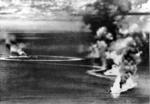
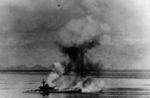
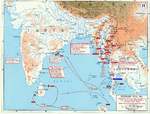
3月31日,小泽治三郎海军上将率领的以“龙城”号航母为核心的特混舰队首先出击,在孟加拉湾击沉了23艘英国船只。 4月5日上午,海军上将南云忠一向锡兰科伦坡发射了舰载机(91架轰炸机和36架战斗机);英国皇家空军 42 架战斗机紧急起飞,其中 7 架被日本击落,其中 19 架被日本击落。英国驱逐舰特尼多斯号和武装商船赫克托号在科伦坡失事。在返回航母的途中,袭击科伦坡的 50 架飞机遇到了英国重型巡洋舰多塞特郡号和康沃尔号,并将它们击沉,造成 424 人死亡。4 月 9 日,南云号对锡兰东侧的亭可马里发动攻击;日本击落了 27 架飞机中的 5 架,并紧急升空并击沉了一艘商船。在回程中,舰载机再次遭遇了英国轻型航母赫尔墨斯号、澳大利亚驱逐舰吸血鬼号、英国护卫舰蜀葵号和两艘加油机,将其摧毁;赫尔墨斯号在遭受 40 次撞击后沉没,仅造成 307 人死亡。在锡兰及其附近的两次毁灭性袭击中,南云仅损失了 18 架飞机。
英国东部舰队将撤回东非,以保护剩余的海军资产免遭日本海军的进一步破坏。
ww2dbase尾声:印度洋的持续压力
1942年3 月下旬,德国海军参谋部要求日本海军袭击印度洋上的盟军船只,到 4 月第一周,几艘日本潜艇已向西远至南非南部水域。日本在印度洋的行动扰乱了盟军沿非洲大陆东海岸的重要航线,并在盟军入侵马达加斯加时引起了一些担忧。到 6 月,该地区的日本潜艇将注意力集中在非洲大陆和马达加斯加之间的莫桑比克海峡,到 1942 年 7 月中旬击沉了价值 12 万吨的船只。日本位于南太平洋,因此当 1942 年秋天潜艇撤回补给时,它们再也没有大规模返回。
ww2dbase来源:
Dan van der Vat,太平洋战争
日本海军维基
百科
最后一次主要更新:2005 年 7 月
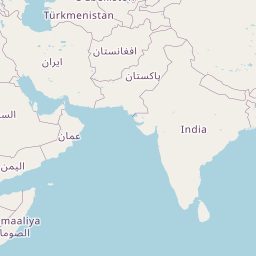
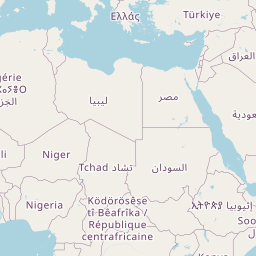
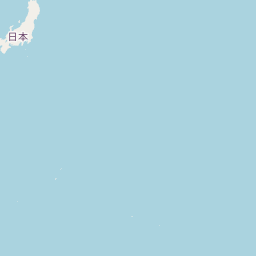
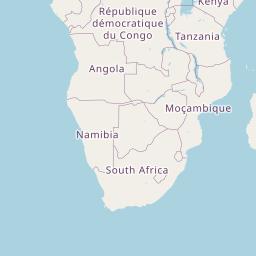
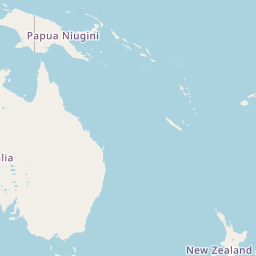
突袭印度洋互动地图
照片
地图
印度洋袭击时间表
| 1942 年 3 月 9 日 | 山本五十六海军上将向舰队发出命令,准备进行 C 行动,即突袭印度洋。 |
| 1942 年 3 月 26 日 | 南云忠一海军中将率领的日本第一航空舰队以五艘航空母舰为核心,从荷属东印度群岛西里伯斯的斯塔林湾驶向帝汶以西进入印度洋,意图攻击皇家海军在科伦坡和亭可马里的基地在锡兰。 |
| 1942 年 3 月 27 日 | 德国海军参谋部要求日本对印度洋上的盟军船只进行袭击。 |
| 1942 年 3 月 28 日 | 第二支日本航母舰队启航前往印度洋。 |
| 1942 年 4 月 1 日 | 小泽治三郎中将率领的第二远征舰队马来亚部队从缅甸丹老出发,驶入孟加拉湾,参与印度洋袭击,攻击商船。这支部队包括轻型航母龙城号和巡洋舰鸟海号、铃谷号、熊野号、三隈号、最上号和由良号。 |
| 1942 年 4 月 4 日 | 当日本航母驶向锡兰时,该舰队在该岛以南 400 英里处被加拿大 PBY Catalina 飞机发现。飞龙号航空母舰上的一架零式战斗机击落了卡塔琳娜号飞机(三架被击落,几架被俘),但直到它们用无线电通知了舰队的位置。 |
| 1942 年 4 月 5 日 | 上午,日本航母出动36架D3A2俯冲轰炸机和53架B5N2鱼雷轰炸机,由36架零式战斗机护航,攻击英国锡兰科伦坡海军基地,击沉商船赫克托号,破坏港口设施,同时击落25架英国飞机;日本飞机在这次袭击中损失了 7 架。中午时分,托恩号巡洋舰的水上飞机在锡兰西南 200 英里处发现了英国巡洋舰康沃尔号和多塞特郡号巡洋舰;出动53架舰载机发起攻击,于1350时击沉多塞特郡(234人死亡),于1400时击沉康沃尔郡(190人死亡);两艘船上共有 1,122 人生还。 |
| 1942 年 4 月 5 日 | 在小泽治三郎海军上将的部队攻击锡兰科伦坡的英国海军基地后,部队被分裂,组建了由栗田武夫少将指挥的北方集团,包括巡洋舰熊野号和铃屋号;中央集团由小泽领导的龙城号航空母舰和鸟海号巡洋舰、由良号巡洋舰组成;南方集团由巡洋舰最上号和三隈号组成,由崎山释考船长领导,目的是对商船进行小规模袭击。 |
| 1942 年 4 月 6 日 | 日本军舰在印度东南部击沉了13艘货轮,而来自Ryujo的舰载机则对印度东海岸的维扎加帕坦港和科加拿大纳达港进行了袭击,击沉了3艘船只。 |
| 1942 年 4 月 6 日 | 栗田的北方集团在加尔各答(加尔各答)以南的印度东北海岸袭击并击沉了七艘商船,总吨位为41,000吨。 |
| 1942 年 4 月 6 日 | 崎山的最上号、三隈号和驱逐舰天雾号组成的南方群击沉了四艘商船,总吨位为 19,000 吨,其中两艘商船被天雾号的鱼雷击沉。 |
| 1942 年 4 月 8 日 | 一艘卡塔利娜飞艇发现一支日本航母舰队正在接近锡兰的亭可马里。受此消息影响,英国航空母舰赫尔墨斯号和澳大利亚驱逐舰吸血鬼号离开亭可马里,试图躲避即将到来的袭击。 |
| 1942 年 4 月 9 日 | 翔鹤从印度洋对锡兰亭可马里发动空袭。 |
| 1942 年 4 月 9 日 | 赤城从印度洋对锡兰亭可马里发动空袭。 |
| 1942 年 4 月 9 日 | 日本舰载机于0700时袭击了锡兰亭可马里的港口。两小时后,在更南 90 英里处发现空无一人的英国航空母舰赫尔墨斯号和澳大利亚驱逐舰吸血鬼号。 1035时,日本舰载机袭击并击沉了赫尔墨斯号(HMS Hermes)(307人死亡)和吸血鬼号(HMAS Vampire)(9人死亡);医院船维塔号救出了两艘军舰的幸存者。 1207时,20架日本舰载俯冲轰炸机在印度洋击沉了英国油轮Athelstane(船上全部生还)和英国护卫舰HMS Hollyhock(48人遇难,17人幸存)。 |
| 1942 年 4 月 11 日 | 小泽的部队抵达新加坡,成功完成了印度洋的出击。 |
| 1942 年 4 月 12 日 | 日本航母舰队在一次成功的袭击后开始离开印度洋。 |
| 1942 年 5 月 7 日 | 日本潜艇I-30的水上飞机在英国直辖殖民地亚丁港执行侦察任务。 |
| 1942 年 6 月 5 日 | 日本商船“爱国丸”号和“报国丸”号在距南非德班 350 英里处击沉了英国客轮“艾丽西亚”号。同日以北,在葡萄牙海外省莫桑比克附近,日本潜艇I-10于0231时击沉巴拿马货船大西洋湾号,I-10于1044时击沉美国货轮Melvin H Baker,I-20于1044时击沉巴拿马货轮Johnstown 。 |
| 1942 年 6 月 6 日 | 日本潜艇 I-16 在葡萄牙海外省莫桑比克海岸附近用甲板炮击沉了南斯拉夫货轮苏萨克号。 |
| 1942 年 6 月 8 日 | 日本潜艇 I-10 于 0953 时在莫桑比克海峡用鱼雷击沉了英国船只 King Lud,船上人员全部遇难。在同一地区,I-16 用甲板炮击沉了希腊舰 Aghios Georgios IV,I-18 用甲板炮击沉了挪威舰 Wilford。在印度洋中部,I-20 号沉没了希腊船只 Christos Markettos。 |
| 1942 年 6 月 12 日 | 日本潜艇 I-16 在莫桑比克海峡击沉南斯拉夫苏佩塔尔号舰艇。在同一地区,I-20 击沉了巴拿马船只 Hellenic Trader 和英国船只 Clifton Hall。 |
| 1942 年 6 月 28 日 | 日本潜艇 I-10 在莫桑比克海峡击沉了英国商船维多利亚女王号。 |
| 1942 年 6 月 30 日 | 日本潜艇 I-10 在莫桑比克海峡击沉了美国轮船 Express,造成 13 人死亡。在同一地区,I-20 击沉了英国油轮 Steaua Romana。 |
| 1942 年 7 月 1 日 | 日本潜艇 I-16 在莫桑比克海峡击沉了瑞典船只 Eknaren。在同一地区,I-18 号公路击沉了荷兰船只 De Weert。 |
| 1942 年 7 月 6 日 | 日本潜艇I-10于1615时在莫桑比克海峡击沉希腊商船Nymphe。 |
| 1942 年 7 月 8 日 | 日本潜艇I-10于0748时在莫桑比克海峡击沉英国舰Hartismere;船上所有人都幸存下来。 I-10 于 1800 时再次袭击,在同一地区击沉荷兰货轮 Alchiba,造成 5 人死亡。 |
| 1942 年 7 月 12 日 | 日本武装商船爱国丸号和报国丸号在莫桑比克海峡击沉了新西兰货轮豪拉基号。 |
| 1942 年 7 月 17 日 | 德国潜艇U-178于0时31分击沉莫桑比克贝拉东北部的运输城Canton; 8 人被杀,76 人幸存(其中 1 人被德国人俘虏)。 |
| 1942 年 7 月 20 日 | 德国武装商船托尔号在澳大利亚以西 1,950 英里处击沉了英国船只印度河号; 22人死亡,49人幸存。 |
| 1942 年 8 月 25 日 | 日本潜艇 I-165 在锡兰以南 250 英里处击沉了英国船只 Harmonides; 14人被杀。 |
| 1942 年 9 月 2 日 | 日本潜艇 I-29 在亚丁湾口击沉英国舰艇 Gazcon;杀 12. |
| 1942 年 9 月 10 日 | 日本潜艇 I-29 在亚丁湾口击沉了英国货轮哈雷斯菲尔德号,造成 12 人死亡。 |
| 1942 年 9 月 11 日 | 德国武装商船米歇尔号在印度洋袭击了英国商船帝国黎明号。帝国黎明号试图向船员发出弃船信号,但米歇尔继续炮击英国船只。帝国黎明号的 22 名船员在沉没过程中丧生; 22人幸存并被米歇尔俘获。 |
| 1942 年 9 月 16 日 | 日本潜艇 I-29 在亚丁湾口击沉了英国船只 Ocean Honor; 20人死亡,33人幸存。 |
| 1942 年 9 月 22 日 | 日本潜艇 I-29 在印度高知以西 800 英里处击沉了美国货轮 Paul Luckenbach。 |
| 1942 年 9 月 24 日 | 日本潜艇 I-165 在印度南端以西 220 英里处击沉美国货轮 Losmar; 3人死亡,14人幸存。 |
| 1943 年 4 月 17 日 | 1130 时,列奥纳多·达·芬奇在印度洋击沉了从英国格拉斯哥飞往南非德班的荷兰货船森美兰号,船上载有弹药。船上86人中,只有印度水手沙姆申幸存。列奥纳多·达·芬奇救起了腿断的沙姆申。 |
| 1943 年 4 月 18 日 | 0315时,列奥纳多·达·芬奇在印度洋发现了8007吨级的英国货轮“马纳尔”号,并用鱼雷击中了她右舷的一号货舱。船员弃船,但船并未沉没。 0430时,左舷4号货舱再次受到撞击。 0545 时至 0710 时,这艘意大利潜艇仍在漂浮,她的甲板炮发射了 23 100 毫米炮弹,命中 12 次,最终将其击沉。四名船员在沉没过程中丧生,一名军官被列奥纳多·达·芬奇俘虏,93人幸存。达芬奇接近其中一艘救生艇,并让印度水手沙姆申下了船,沙姆申是前一天被达芬奇击沉的荷兰货轮森美兰号上唯一的幸存者。 |
| 1943 年 4 月 21 日 | 1815 时,列奥纳多·达·芬奇在印度洋击沉了从巴林飞往南非开普敦的美国货船约翰·德雷顿号,其中一枚鱼雷击中(共四枚)并发生枪击事件。船上 56 人全部生还,但只有 30 人在随后的救生艇旅程中幸存。 |
| 1943 年 4 月 25 日 | 1726时,列奥纳多·达·芬奇在印度洋用一枚鱼雷击中了从南非开普敦飞往伊朗阿巴丹的英国油轮“多莉莎”号。 1845时,第二枚鱼雷击中了她。不久之后,达芬奇逼近并开枪击沉了这艘油轮。 53 人死亡,五天后英国捕鲸船 HMSAS Southern Barrier 救起 11 名幸存者。在用完所有鱼雷后,这艘意大利潜艇开始返回法国波尔多。 |
您喜欢这篇文章或者觉得这篇文章有帮助吗?如果是这样,请考虑在Patreon上支持我们。即使每月 1 美元也足够了!谢谢。 与你的朋友分享这篇文章:  脸书红迪推特 脸书红迪推特


随时关注 WW2DB 的最新动态:  RSS订阅 RSS订阅
| |
访客提交的评论
显示较旧的评论
2. Ben说:
2020 年 12 月 26 日 06:18:16 PM
很棒的信息。
3. hiro说:
2021 年 4 月 6 日 10:24:36 PM
翔鹤怎么可能参与这场战斗?考虑从锡兰东经 80 到 5 月 7 日翔鹤与列克星敦交战的珊瑚海的距离。在每个地点以 30 节的速度行驶的时间不够。请更正姓名。
4.

David Stubblebine说:
2021 年 4 月 6 日晚上 10:53:57Hiro(上图):
作为这次袭击的一部分,翔鹤于 1942 年 4 月 9 日对锡兰(斯里兰卡)发动了空袭。随后,她直接向东航行,并于 1942 年 4 月 18 日穿越吕宋海峡。1942 年 4 月 25 日,她抵达特鲁克,并在那里度过了 5 天。她于 1942 年 5 月 1 日离开特鲁克,并于 1942 年 5 月 7 日抵达图拉吉岛西南 300 英里处,珊瑚海海战在此参加。平均巡航速度(前进率):13节。请参阅http://www.combinedfleet.com/shokaku.htm
所有访问者提交的评论均为提交者的意见,并不反映 WW2DB 的观点。
关于网站
二战数据库由 Lava Development, LLC 的 C. Peter Chen 创建和管理。这个网站的目的是双重的。首先,它的目的是提供有关二战的有趣且有用的信息。二是展示Lava的技术能力。
版权所有 © 2004-2024熔岩开发有限责任公司。, 版权所有
This website uses cookies to ensure you get the best experience on our website. Learn more
Got it!
World War II Database
F4U Corsair
HomeIntroPeopleEventsEquipmentPlacesMapsBooksPhotosVideosOtherReferenceFAQAbout
Home » Events » The Second Sino-Japanese War/CBI Theater » Raids into the Indian Ocean
Indian Ocean Raid file photo [330]
Decrease font sizeReset font sizeIncrease font size
Raids into the Indian Ocean
31 Mar 1942 - 9 Apr 1942
Contributor: C. Peter Chen
ww2dbaseIn early 1942, the British were attempting to re-establish a naval presence in Asia after the destruction of Z Force off Kuantan, British Malaysia at the opening of the Pacific War. Ceylon was chosen as the new main navy base, with an additional naval base established at Addus Atoll in the Maldive Islands 600 miles southwest of Ceylon. Admiral James Somerville was assigned to lead the new British Eastern Fleet. The carriers Indomitable, Formidable, and Hermes were assigned to the fleet, capable to launching over 90 planes, though most of the planes were of older models inferior to the Japanese Zero fighters. In terms of surface fighting ships, the British Eastern Fleet boasted five WW1-era battleships, two heavy cruisers, five light cruisers, sixteen destroyers, seven submarines, and various support craft. The British primary objective for securing the Indian Ocean was to aid the ground war in Burma and to safeguard Allied shipping carrying Ceylon rubber, Middle Eastern oil, troops, and war equipment.
ww2dbaseHaving effectively put an end to Allied naval strength in the South Pacific with the annihilation of the ABDA forces around Java, Dutch East Indies, the Japanese naval leadership made a plan to sail westward into the Indian Ocean to attack the new British naval concentration at Ceylon (the Japanese had not yet detected the activities at Addus) before it became a serious threat to operations in Burma and in the South Pacific. The Japanese fleet departed from Celebes in Dutch East Indies on 26 Mar 1942; the fleet was built around the carriers Akagi, Ryujo, Hiryu, Soryu, Shokaku, and Zuikaku.
ww2dbaseThe Americans had intercepted Japanese communications leading up to the raid and had given Somerville warning, who ordered the bulk of the fleet to set sail for Addus Atoll.
ww2dbaseOn 31 Mar, the task force under Admiral Jisaburo Ozawa centered around carrier Ryujo struck first, sinking 23 British ships in the Bay of Bengal. On the morning of 5 Apr, Admiral Chuichi Nagumo launched his carrier aircraft (91 bombers and 36 fighters) against Colombo, Ceylon; the Japanese shot down 19 of the 42 RAF fighters that scrambled at the loss of 7. British destroyer Tenedos and armed merchant cruiser Hector were lost at Colombo. En route back to their carriers, 50 of the aircraft that had struck Colombo came upon British heavy cruisers Dorsetshire and Cornwall and sank them, killing 424. On 9 Apr, Nagumo launched an attack at Trincomalee, on the eastern side of Ceylon; the Japanese shot down 5 of the 27 aircraft that scrambled and sank one merchant ship. On the return trip, luck again struck the carrier aircraft as they came across British light carrier Hermes, Australian destroyer HMAS Vampire, British corvette Hollyhock, and two tankers, devastating them; Hermes, which sank after receiving 40 hits, suffered 307 killed alone. In the two devastating attacks at and near Ceylon, Nagumo had only lost 18 aircraft.
ww2dbaseThe British Eastern Fleet would fall back to East Africa to safeguard the remaining naval assets from further destruction at the hands of the Japanese Navy.
ww2dbaseEpilogue: Continuing Pressure in the Indian Ocean
ww2dbaseIn late Mar 1942, the German naval staff had requested the Japanese Navy to raid Allied shipping in the Indian Ocean, and by the first week of Apr several Japanese submarines were operating as far west as waters south of South Africa. Japanese operations in the Indian Ocean disrupted the important Allied shipping route along the eastern coast of the African continent and caused some concerns when the Allies invaded Madagascar. By Jun, Japanese submarines in the region were focusing on the Mozambique Channel between continental Africa and Madagascar, sinking 120,000 tons worth of shipping by mid-Jul 1942. Although this Japanese foray into the Indian Ocean was fruitful, the main focus of the war for Japan was the South Pacific, thus when the submarines were withdrawn for replenishment in the fall of 1942, they never returned in significant strength.
ww2dbaseSources:
Dan van der Vat, The Pacific War
Nihon Kaigun
Wikipedia
Last Major Update: Jul 2005
Raids into the Indian Ocean Interactive Map
+
−
Leaflet | © OpenStreetMap
Photographs
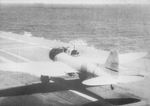
Aircraft carrier Akagi shortly after leaving Port Stirling, Celebes for the Indian Ocean, 26 Mar 1942; note B5N torpedo bombers on flight deck British cruisers Dorsetshire and Cornwall burning during the Indian Ocean Raid, 5 Apr 1942; photo taken from a Japanese aircraft D3A dive bomber taking off from carrier Akagi, Indian Ocean, 5 Apr 1942; the single vertical red stripe toward the rear end of fuselage identified this aircraft as from Akagi HMS Hermes sinking off Ceylon, 9 Apr 1942; photo taken from a Japanese aircraft
Maps
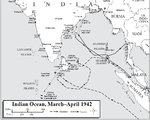
Map showing Nagumo’s and Ozawa’s movements during the Indian Ocean Raids of Apr 1942. Map showing Japanese offensives in Malaya, Burma, and the Indian Ocean, Jan-May 1942
Raids into the Indian Ocean Timeline
9 Mar 1942 Admiral Isoroku Yamamoto issued orders to the fleet to prepare for Operation C, a raid into the Indian Ocean.
26 Mar 1942 Vice Admiral Chuichi Nagumo's Japanese First Air Fleet, built around a nucleus of five aircraft carriers, sailed from Staring Bay, Celebes, Dutch East Indies to the west of Timor into the Indian Ocean with the intention of attacking the Royal Navy's bases at Colombo and Trincomalee in Ceylon.
27 Mar 1942 The German naval staff requested the Japanese to conduct raids against Allied shipping in the Indian Ocean.
28 Mar 1942 A second Japanese carrier fleet set sail for the Indian Ocean.
1 Apr 1942 Vice Admiral Jisaburo Ozawa's Malaya Force, Second Expeditionary Fleet, departs Mergui, Burma and steams into the Bay of Bengal in the Indian Ocean Raids to attack merchant shipping. The force includes light carrier Ryujo and cruisers Chokai, Suzuya, Kumano, Mikuma, Mogami, and Yura.
4 Apr 1942 As Japanese carriers sailed toward Ceylon, the fleet was discovered by a Canadian PBY Catalina aircraft 400 miles south of the island. A Zero fighter from carrier Hiryu shot down the Catalina aircraft (3 killed, several captured) but not until they radioed in the fleet's location.
5 Apr 1942 In the morning, Japanese carriers launched 36 D3A2 dive bombers and 53 B5N2 torpedo bombers, escorted by 36 Zero fighters, against the British naval base at Colombo, Ceylon, sinking merchant cruiser HMS Hector, damaging port facilities, while shooting down 25 British aircraft; 7 Japanese aircraft were lost in this attack. Around noon, cruiser Tone's floatplane spotted British cruisers HMS Cornwall and HMS Dorsetshire 200 miles southwest of Ceylon; 53 carrier aircraft were launched to attack, sinking Dorsetshire at 1350 hours (234 killed) and Cornwall at 1400 hours (190 killed); 1,122 survived from both ships.
5 Apr 1942 Following Admiral Jisaburo Ozawa’s force’s attack on the British naval base at Colombo, Ceylon, the force is split creating a Northern Group commanded by Rear Admiral Takeo Kurita consisting of cruisers Kumano and Suzuya; the Center Group consisting of the carrier Ryujo and cruisers Chokai and Yura under Ozawa; and the Southern Group comprised of cruisers Mogami, and Mikuma under Captain Shakao Sakiyama for the purposes of smaller raids against merchant shipping.
6 Apr 1942 Japanese warships sank 13 freighters southeast of India, while carrier aircraft from Ryujo conducted raids against ports Vizagapatam and Cocanada on the eastern coast of India, sinking 3 ships.
6 Apr 1942 Kurita's Northern Group attacked and sank seven merchant ships totaling 41,000 tons along India's northeastern coast south of Calcutta (Kolkata).
6 Apr 1942 Sakiyama's Southern Group of Mogami, Mikuma and destroyer Amagiri sank four merchantmen totaling 19,000 tons with two of them finished off with torpedoes from Amagiri.
8 Apr 1942 A Catalina flying boat spotted a Japanese carrier fleet approaching Trincomalee, Ceylon. On this news, British aircraft carrier HMS Hermes and Australian destroyer HMAS Vampire departed Trincomalee in an attempt to escape the impending attack.
9 Apr 1942 Shokaku launched air strikes against Trincomalee, Ceylon from the Indian Ocean.
9 Apr 1942 Akagi launched air strikes against Trincomalee, Ceylon from the Indian Ocean.
9 Apr 1942 Japanese carrier aircraft attacked the harbor at Trincomalee, Ceylon at 0700 hours. Two hours later, empty British aircraft carrier HMS Hermes and Australian destroyer HMAS Vampire were detected 90 miles further south. At 1035 hours, Japanese carrier aircraft attacked and sank HMS Hermes (307 killed) and HMAS Vampire (9 killed); hospital ship Vita rescued survivors from both warships. At 1207 hours, 20 Japanese carrier dive bombers sank British oiler Athelstane (all aboard survived) and British corvette HMS Hollyhock (48 were killed, 17 survived) in the Indian Ocean.
11 Apr 1942 Ozawa's Force arrived at Singapore to conclude a successful sortie into the Indian Ocean.
12 Apr 1942 Japanese carrier fleet began to depart from the Indian Ocean after a successful raid.
7 May 1942 The floatplane of Japanese submarine I-30 conducted a reconnaissance mission over the port of Aden, a British Crown Colony.
5 Jun 1942 Japanese merchant raiders Aikoku Maru and Hokoku Maru sank British passenger liner Elysia 350 miles off Durban, South Africa. To the north on the same day, off Portuguese Overseas Province of Mozambique, Japanese submarine I-10 sank Panamanian ship Atlantic Gulf at 0231 hours, I-10 sank US freighter Melvin H Baker at 1044 hours, and I-20 sank Panamanian ship Johnstown.
6 Jun 1942 Japanese submarine I-16 sank Yugoslavian freighter Susak with her deck gun just off the coast of Portuguese Overseas Province of Mozambique.
8 Jun 1942 Japanese submarine I-10 sank British ship King Lud in the Mozambique Channel at 0953 hours with torpedoes, killing all aboard. In the same area, I-16 sank Greek ship Aghios Georgios IV with her deck gun and I-18 sank Norwegian ship Wilford with her deck gun. In the middle of the Indian Ocean, I-20 sank Greek ship Christos Markettos.
12 Jun 1942 Japanese submarine I-16 sank Yugoslavian ship Supetar in the Mozambique Channel. In the same area, I-20 sank Panamanian ship Hellenic Trader and British ship Clifton Hall.
28 Jun 1942 Japanese submarine I-10 sank British merchant ship Queen Victoria in the Mozambique Channel.
30 Jun 1942 Japanese submarine I-10 sank US ship Express in the Mozambique Channel, killing 13. In the same area, I-20 sank British tanker Steaua Romana.
1 Jul 1942 Japanese submarine I-16 sank Swedish ship Eknaren in the Mozambique Channel. In the same area, I-18 sank Dutch ship De Weert.
6 Jul 1942 Japanese submarine I-10 sank Greek merchant ship Nymphe in the Mozambique Channel at 1615 hours.
8 Jul 1942 Japanese submarine I-10 sank British ship Hartismere in the Mozambique Channel at 0748 hours; all aboard survived. I-10 struck again at 1800 hours, sinking Dutch freighter Alchiba in the same area, killing 5.
12 Jul 1942 Japanese armed merchant cruisers Aikoku Maru and Hokoku Maru sank New Zealand freighter Hauraki in the Mozambique Channel.
17 Jul 1942 German submarine U-178 sank transport City of Canton northeast of Beira, Mozambique at 0031 hours; 8 were killed, 76 survived (one of whom was taken prisoner by the Germans).
20 Jul 1942 German armed merchant cruiser Thor sank British ship Indus 1,950 miles west of Australia; 22 were killed, 49 survived.
25 Aug 1942 Japanese submarine I-165 sank British ship Harmonides 250 miles south of Ceylon; 14 were killed.
2 Sep 1942 Japanese submarine I-29 sank British ship Gazcon in the mouth of the Gulf of Aden; killing 12.
10 Sep 1942 Japanese submarine I-29 sank British cargo ship Haresfield at the mouth of the Gulf of Aden, killing 12.
11 Sep 1942 German armed merchant cruiser Michel attacked British merchant ship Empire Dawn in the Indian Ocean. Empire Dawn attempted to signal that the crew would abandon ship, but Michel continued to shell the British ship. 22 of Empire Dawn's crew were killed during the sinking; 22 survived and were captured by Michel.
16 Sep 1942 Japanese submarine I-29 sank British ship Ocean Honour in the mouth of the Gulf of Aden; 20 were killed, 33 survived.
22 Sep 1942 Japanese submarine I-29 sank US freighter Paul Luckenbach 800 miles west of Kochi, India.
24 Sep 1942 Japanese submarine I-165 sank US freighter Losmar 220 miles west of the southern tip of India; 3 were killed, 14 survived.
17 Apr 1943 Leonardo da Vinci sank Dutch freighter Sembilan, en route from Glasgow, United Kingdom to Durban, South Africa with ammunition aboard, in the Indian Ocean at 1130 hours. Of the 86 aboard, only the Indian sailor Shamshen survived. Leonardo da Vinci picked up Shamshen, who had suffered a broken leg.
18 Apr 1943 Leonardo da Vinci sighted the 8,007-ton British freighter Manaar in the Indian Ocean at 0315 hours and hit her in the No. 1 Hold on the starboard side with a torpedo. The crew abandoned ship, but the ship did not sink. At 0430 hours, another hit was made in the No. 4 Hold on the port side. Still afloat, the Italian submarine fired 23 100-millimeter rounds from her deck gun between 0545 and 0710 hours, scoring 12 hits and finally sinking her. Four crew members were killed during the sinking, one officer was picked up by Leonardo da Vinci as a prisoner, and 93 survived. Leonardo da Vinci approached one of the lifeboats and disembarked Indian sailor Shamshen, who was the lone survivor from Dutch freighter Sembilan which was sunk by Leonardo da Vinci on the previous date.
21 Apr 1943 Leonardo da Vinci sank American freighter John Drayton, en route from Bahrain to Cape Town, South Africa, with one torpedo hit (out of four fired) and gunfire in the Indian Ocean at 1815 hours. All 56 aboard survived the sinking, but only 30 would survive the subsequent journeys aboard lifeboats.
25 Apr 1943 Leonardo da Vinci hit British tanker Doryssa, en route from Cape Town, South Africa to Abadan, Iran, with a torpedo in the Indian Ocean at 1726 hours. At 1845 hours, a second torpedo hit her. Shortly after, Leonardo da Vinci closed in and sank the tanker with gunfire. 53 were killed, and the 11 survivors were picked up by British whaler HMSAS Southern Barrier five days later. Having expended all torpedoes, the Italian submarine began her journey back to Bordeaux, France.
Did you enjoy this article or find this article helpful? If so, please consider supporting us on Patreon. Even $1 per month will go a long way! Thank you.
Share this article with your friends:
Facebook
Reddit
Twitter
Stay updated with WW2DB:
RSS Feeds
Visitor Submitted Comments
Show older comments
2. Ben says:
26 Dec 2020 06:18:16 PM
Great information.
3. hiro says:
6 Apr 2021 10:24:36 PM
how could shokaku be in this battle? consider the distance from ceylon longitude 80 to coral sea where shokaku fought lexington may 7. not enuf time at 30 knots to be at each location. please correct name.
4. Commenter identity confirmed David Stubblebine says:
6 Apr 2021 10:53:57 PM
Hiro (above):
Shokaku launched airstrikes against Ceylon (Sri Lanka) on 9 Apr 1942 as part of this raid. She then sailed directly east and transited the Luzon Strait on 18 Apr 1942. She arrived at Truk on 25 Apr 1942 where she spent 5 days. Departing Truk on 1 May 1942, she arrived 300 miles SW of Tulagi on 7 May 1942 where the Battle of the Coral Sea was joined. Average cruising speed (rate of advance): 13 knots. See http://www.combinedfleet.com/shokaku.htm
All visitor submitted comments are opinions of those making the submissions and do not reflect views of WW2DB.
Posting Your Comments on this Topic
Your Name
Anonymous
Your Email
Your email will not be published
Comment Type
General comment/question
Your Comments
Submit
Notes:
1. We hope that visitor conversations at WW2DB will be constructive and thought-provoking. Please refrain from using strong language. HTML tags are not allowed. Your IP address will be tracked even if you remain anonymous. WW2DB site administrators reserve the right to moderate, censor, and/or remove any comment. All comment submissions will become the property of WW2DB.
2. For inquiries about military records for members of the World War II armed forces, please see our FAQ.
Change View
Mobile View
Search WW2DB
More on Raids into the Indian Ocean
Participants:
» Fuchida, Mitsuo
» Harada, Kaname
» Kaneko, Tadashi
» Kondo, Nobutake
» Minami, Yoshimi
» Nagumo, Chuichi
» Ohara, Hisashi
» Ozawa, Jisaburo
» Somerville, James
» Tokuno, Hiroshi
» Yanagimoto, Ryusaku
Locations:
» Ceylon
» Indian Ocean
Ship Participants:
» Akagi
» Chikuma
» Cornwall
» Dorsetshire
» Haruna
» Hermes
» Hiryu
» Kirishima
» Kumano
» Mikuma
» Mogami
» Shokaku
» Soryu
» Suzuya
» Tanikaze
» Tone
» Vampire
» Zuikaku
Raids into the Indian Ocean Photo Gallery
Aircraft carrier Akagi shortly after leaving Port Stirling, Celebes for the Indian Ocean, 26 Mar 1942; note B5N torpedo bombers on flight deck
See all 4 photographs of Raids into the Indian Ocean
Current Site Statistics
» 1,145 biographies
» 336 events
» 43,422 timeline entries
» 1,237 ships
» 349 aircraft models
» 207 vehicle models
» 372 weapon models
» 123 historical documents
» 259 facilities
» 468 book reviews
» 28,383 photos
» 432 maps
Famous WW2 Quote
"Never in the field of human conflict was so much owed by so many to so few."
Winston Churchill, on the RAF
Support Us
Please consider supporting us on Patreon. Even $1 a month will go a long way. Thank you!
Or, please support us by purchasing some WW2DB merchandise at TeeSpring, Thank you!
About the Site
The World War II Database is founded and managed by C. Peter Chen of Lava Development, LLC. The goal of this site is two fold. First, it is aiming to offer interesting and useful information about WW2. Second, it is to showcase Lava's technical capabilities.
» More About WW2DB
» More About Lava
» Syndication
» Terms of Use & Disclosures
» World War II Database Home
» Mobile View
Most Popular
» Today in WW2 History
» WW2 in Color
» Battle of Iwo Jima
» Battle of Stalingrad
» Normandy Campaign
» Tiger I Tank
» The Holocaust
» Hiroshima and Nagasaki
» Corsair Fighter
Links
» Combined Fleet
» IJN Signals and Doctrine
» Tully's Port Forum
» WW2 File Blog
Copyright © 2004-2024 Lava Development, LLC., all rights reserved


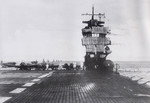
![印度洋突袭档案照片[330]](https://ww2db.com/images/battle_indian1.jpg "印度洋突袭档案照片[330]")








留言
張貼留言