文字大小
- 一個超小號
- 一個小的
- 一個中等的
- 一個大的
- 一個加大碼
本片揭露了滿洲定居者與蘇聯人之間的性交易
作者:AKARI UOZUMI/ 特約撰稿人
2025年7月27日 07:00(日本標準時間)飛漲 6 月 19 日,《黑川之女》的導演松原文江在大阪淀川區討論她的紀錄片。 (魚住明里)
黒川の女たち(くろかわ の おんなたち)
×
写真・図版
「黒川の女たち」監督の松原文枝さん=2025年6月19日、大阪市淀川区、魚住あかり撮影
映画「黒川の女たち」12日全国公開 旧満州での負の記憶と向き合う
魚住あかり
2025/7/10 9:00有料記事
list
敗戦直後、旧満州(中国東北部)で開拓団を襲撃から守るため、旧ソ連兵に「性接待」をした女性たちを描いたドキュメンタリー映画「黒川の女たち」が12日から全国で順次公開される。監督でテレビ朝日社員の松原文枝さん(58)は、歴史に向き合う大切さを訴える。
ADVERTISEMENT
岐阜県の旧黒川村(現・白川町)に「乙女の碑」と言われる石像が立っている。1982年に建立されたものだが、その隣に立つ碑文を記した説明板は建立から36年後の2018年にできたばかりだ。
碑文が伝えるのは、村から旧満州に入植した黒川開拓団の「負の歴史」だ。開拓団は終戦後の1945年9~11月、現地住民による略奪や暴行から保護してもらう見返りに、旧ソ連兵に17~21歳の未婚女性約15人を差し出した。
引き揚げ後、性接待の事実は元団員の中で伏せられ、女性らは周囲からの誹謗(ひぼう)中傷にも苦しんだ。現地で亡くなった4人の慰霊のために石像が建てられたものの、由来を説明する碑文はなかった。
映画では、戦後70年近くが経過してから実名で被害を告白し始めた女性たちと、それをきっかけに説明板を作ろうと動いた開拓団の遺族会の姿を描く。
松原監督は2018年から、黒川開拓団の取材を続けてきた。碑文の完成を伝える、2分ほどのニュースを放映したことがきっかけだった。
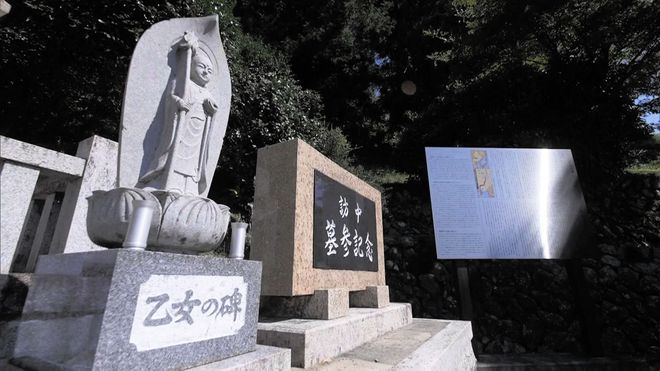

1982年,岐阜縣豎立了一座名為「少女之日」(少女紀念碑)的雕像。但直到36年後,人們才對這些「少女」的身份以及紀念她們的原因做出解釋。
2018 年,人們豎立了一塊牌匾,上面刻著墓誌銘,解釋了黑川村長期以來不為人知的恥辱。
而現在,一部紀錄片進一步揭露了這些少女的困境。二戰日本戰敗後,她們被迫「為」蘇聯士兵提供性服務,以換取蘇聯士兵對她們在滿洲村莊定居點的保護。
由松原文惠執導的《黑川之女》(《她們自己的話語:黑川的女人們》)聚焦於戰爭結束近70年後,開始在鏡頭前講述她們遭受性暴力創傷經歷的女性。
它也介紹了一個由滿洲移民的遺屬組成的協會,他們受到這些婦女的鼓舞,不遺餘力地在石碑上設立了說明牌。
保護協議
黑川(現為白川町的一部分)的移民在日本統治時期移居到了中國東北的滿洲。
戰爭結束後,日本軍隊撤回了家園,定居者們被留在了敵對領土上,只能自謀生路。
從 1945 年 9 月到 11 月,他們向蘇聯士兵提供了大約 15 名 17 至 21 歲的未婚女性,以換取蘇聯士兵保護他們免受搶劫者和憤怒的當地居民的傷害。
這四名婦女在滿洲去世。
這些定居者最終返回日本,對性服務一事保持沉默。但倖存的回國女性卻遭受了誹謗和侮辱。
上市
這座石碑是為了慰藉四位遠在他鄉去世的女性的亡靈而豎立的。
松原導演自 2018 年起就開始報道黑川定居者,當時她在朝日電視台工作,並製作了一段兩分鐘的新聞短片,報道了說明牌的完成情況。
當時,她還在調查一起政治醜聞,該醜聞涉及偽造的財務省文件,這些文件與以極低價格將國有土地出售給私立教育機構森友學園有關。
“在歷史被改寫之時,普通民眾卻不得不直面一個令人不快的歷史事實,”松原回憶道,“我當時覺得這是一種莫大的安慰。”
這部電影記錄了這些女性在分享她們的經歷後所經歷的變化。
佐藤春惠20歲時身處滿洲,她是最早公開講述自己遭遇的女性之一。學生和當地居民開始拜訪她家,聆聽她的故事。
當地一位高中教師根據佐藤的記述開設了一門關於戰爭暴力的課程。
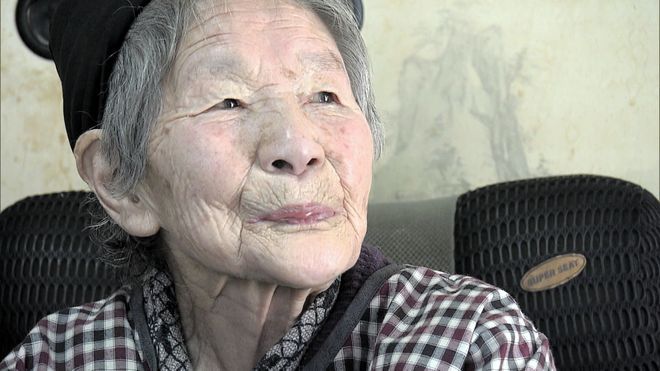
戰爭結束時年僅17歲的安江玲子,甚至對家人也隱瞞了自己的過去。她只願意在匿名的情況下講述自己的經歷。
每當她想起那些痛苦的日子,她就無法入睡,也很少露出笑容。
但當她的孫女和其他支持者透過新聞報導和書籍了解到性暴力事件後,給予她溫暖的話語,她的傷口開始癒合。
松原說:“我真的覺得,有了支持者,尊嚴就能恢復。”
她決定拍攝這部紀錄片,以展現那些公開講述自己悲慘遭遇的女性的力量,以及那些傾聽她們故事的人們的力量。
導演邀請了曾出演過許多以和平為主題的電影、電視節目和戲劇作品的大竹忍擔任旁白。
這位女演員立即接受了邀請。
松原說:“受這些女性講述的故事啟發,大家開始思考自己能做些什麼,包括拍攝這部電影。我希望每一位觀眾也能成為傳承她們精神遺產的合作者。”
這部99分鐘的電影目前正在全國上映。
Text Size
- Axsmall
- Asmall
- Amedium
- Alarge
- Axlarge
Film sheds light on settlers’ sex deal with Soviets in Manchuria
By AKARI UOZUMI/ Staff Writer
July 27, 2025 at 07:00 JSTZoomFumie Matsubara, director of “Kurokawa no Onnatachi,” discusses her documentary film in Osaka’s Yodogawa Ward on June 19. (Akari Uozumi)
A statue called “Otome no Hi” (Monument to the maidens) was erected in 1982 in Gifu Prefecture. But an explanation on who the “maidens” were and why they were being commemorated did not appear until 36 years later.
A plaque inscribed with an epitaph explaining the long-hidden shame of the former village of Kurokawa was set up in 2018.
And now, a documentary film sheds further light on the plight of the maidens, who were forced to “sexually entertain” Soviet soldiers in exchange for their protection of the village’s settlement in Manchuria after Japan’s defeat in World War II.
Directed by Fumie Matsubara, “Kurokawa no Onnatachi” (“In Their Own Words: The Women of Kurokawa”) focuses on women who started talking on camera about their traumatic experiences of sexual violence nearly 70 years after the war.
It also features an association of bereaved family members of the Manchurian settlers who, inspired by the women, went to great lengths to set up the explanatory plaque at the stone monument.
PROTECTION DEAL
Settlers from Kurokawa, now part of Shirakawa town, emigrated to Manchuria in northeast China when it was under Japanese rule.
After the war ended and the Japanese troops went home, the settlers were left to fend for themselves in hostile territory.
From September through November 1945, they offered about 15 unmarried females between 17 and 21 years old to Soviet soldiers in return for protection against looters and angry locals.
Four of the women died in Manchuria.
The settlers eventually returned to Japan and kept mum about the sexual services. But the surviving women who came home suffered from defamatory insults.
GOING PUBLIC
The stone monument was erected to console the souls of the four women who died far from home.
Director Matsubara has been covering the Kurokawa settlers since 2018, when she was working at TV Asahi Corp. and presented a two-minute news clip about the completion of the explanatory plaque.
At the time, she was also pursuing a political scandal over falsified Finance Ministry documents concerning the heavily discounted sale of state-owned land to Moritomo Gakuen, a private educational institution.
“At a time when history was being forged, ordinary people were squarely facing an inconvenient fact of history,” Matsubara recalled. “I felt it was a great consolation.”
The film captures the changes the women went through after they shared their experiences.
Harue Sato was 20 years old when she was in Manchuria and is one of the first women who went public about her ordeal. Students and locals started visiting her home to hear her stories.
A senior high school teacher in the area offers a class on wartime violence based on Sato’s recounts.
Reiko Yasue, who was 17 when the war ended, had kept her past a secret even from family members. She would only talk about her experiences on condition of anonymity.
She couldn’t sleep when she remembered her days of anguish, and she rarely smiled.
But her wounds began to heal when her granddaughter and other supporters, who learned about the sexual violence through news reports and books, gave her warm words.
“I really felt that dignity can be restored when you have supporters,” Matsubara said.
She decided to make the documentary to show the strength of the women who publicly spoke about their tragedy and those who listen to their stories.
The director asked Shinobu Otake, who has appeared in many films, television shows and theater productions that deal with the theme of peace, to serve as the narrator.
The actress immediately accepted the offer.
“Inspired by what the women told them, everyone started searching for what they could do, including making this film” Matsubara said. “I hope each audience member will also become one of the collaborators to convey their legacy.”
The 99-minute film is currently showing nationwide.
Related News


Top News
LANGUAGE LESSONS FIRSTNight schools catering to growing ranks of foreign students
November 18, 2025

OVERTAKES BRITAINRising Malaysia emerges as top study destination for Japanese
November 17, 2025

SHOWN AT FILM FESTIVAL‘Home videos’ shot on imperial cruiser donated to Kobe archive

November 18, 2025

GROWING MARKETOsaka promotes LGBTQ tourism, stressing travel in comfort
November 17, 2025



- 日本語
- English
Some articles on this website may contain content generated by artificial intelligence programs.
Copyright © The Asahi Shimbun Company. All rights reserved. No reproduction or republication without written permission.
沒有留言:
張貼留言
注意:只有此網誌的成員可以留言。