

歷史
沖繩雜誌,65年來促進友誼和理解,擴大視野



History
Untangling the Nanjing Incident and Its Many Historical Misrepresentations
Experts debate the validity of claims, misrepresentations, and authenticity of historical accounts at the heart of a new book on the Nanjing incident.

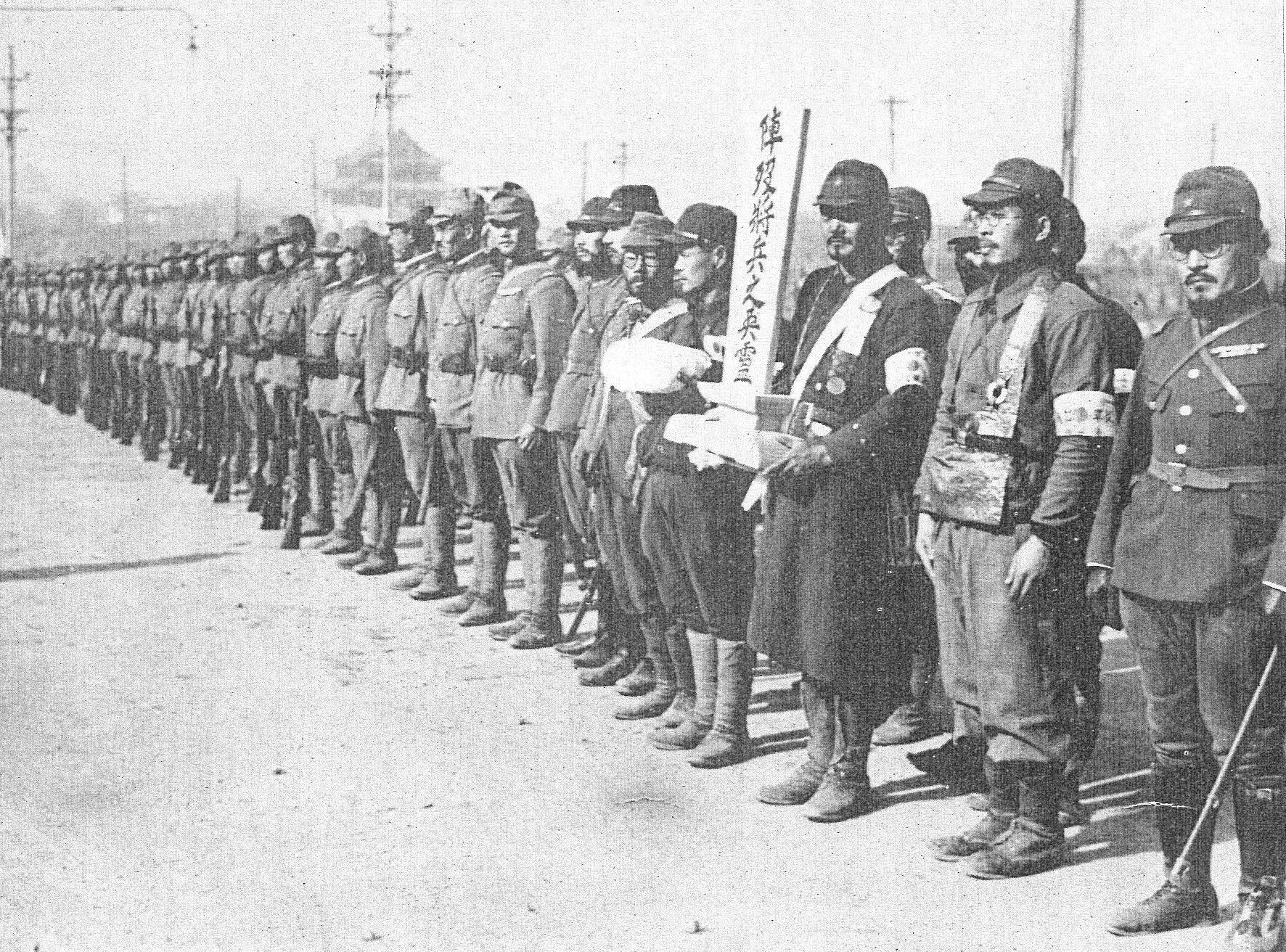
A recent symposium focused on historian Bryan Mark Riggs' contentious book about the Nanjing Incident. Provocatively titled Japan's Holocaust, the volume was published in March. It has ignited discussions about historical representation and accuracy ever since.
Three Japanese historians and experts scrutinized Riggs' claims, including his use of propaganda images. In doing so, they raised questions about their validity and context. Speakers discussed Riggs' reliance on American missionary accounts, which relied heavily on hearsay and often served as propaganda for the Chinese military. They also emphasized the need for careful historical analysis of Japan's actions during the Second Sino-Japanese War.
False Images
In his lecture, modern history researcher Ikuo Mizoguchi critically examined Riggs' use of Chinese propaganda photos, highlighting inaccuracies and misrepresentations. One photo Riggs used allegedly depicted Japanese soldiers rounding up villagers en masse appeared in the Memorial Hall of Victims in the Nanjing Massacre. Iris Chang also included it in her book, The Rape of Nanking. Chang claimed the image shows Japanese soldiers gathering thousands of women, many of whom were either gang-raped or forced into military prostitution. However, as Mizoguchi made clear, this photo dates to before that time and has no connection to Nanjing.
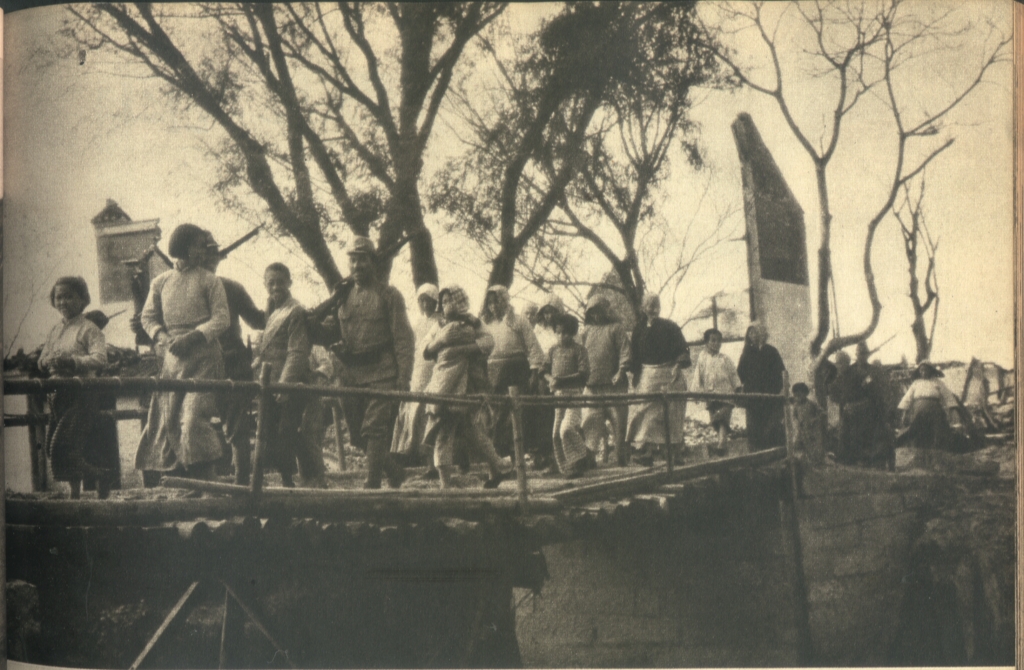
The image in question first appeared in the Asahi Graph, a weekly photo journal published in Japan, on November 10, 1937. This was approximately one month before the Battle of Nanjing. Taken in Paoshan, near Shanghai, the photograph actually shows Japanese soldiers protecting Chinese women and children returning from working in the fields.
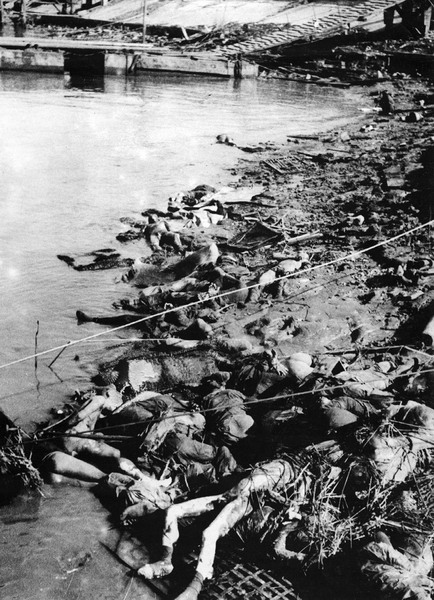
Mizoguchi also dissected another photo. That one, Riggs claimed, showed the Japanese Army dragging the bodies of Nanking civilians into the Yangtze River. In reality, Japanese soldier Moriyasu Murase took this photo following a battle at Xinhe Town, near the river. Chinese forces, suffering heavy losses, attempted to retreat across the Yangtze on makeshift rafts. According to Mizoguchi, Japanese forces fired upon the retreating Chinese soldiers, resulting in further casualties.
Abusing the Term 'Holocaust'
In his book, Riggs argues that the so-called Nanking Massacre was representative of Japan's brutal behavior throughout the Second Sino-Japanese War. As part of this narrative, he emphasizes that widespread rape and murder also ensued after the Battle of Shanghai.
However, historian Kenichi Ara counters Riggs' argument based on extensive interviews with those who witnessed the fall of Nanking. These include key figures such as Hajime Onishi, former captain and staff officer of the Shanghai Expeditionary Forces, who later became the head of the Nanking Special Agency.
Ara scrutinizes Riggs' use of the term holocaust in his comparisons, questioning its appropriateness and contrasting it with Japan's documented efforts to protect Jewish refugees during World War II. Ara's analysis of the Battle of Shanghai offers a more nuanced view of Japan's actions, contradicting Riggs' depiction.
The Battle of Shanghai
The Battle of Shanghai began on August 13, 1937, during the Second Sino-Japanese War. As Japanese forces advanced, Hongkou residents fled across Suzhou Creek into the International Settlement and French Concession, seeking refuge.
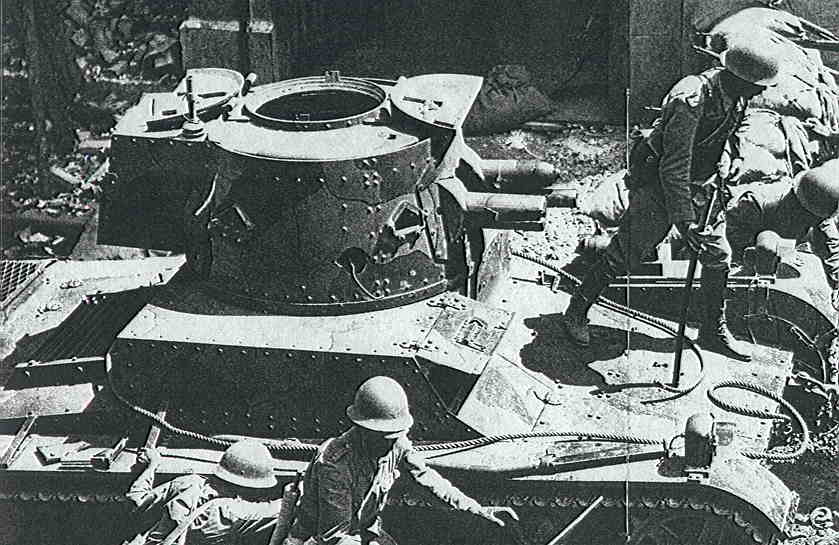
By late August, the Imperial Japanese Army began landing in agricultural fields, far from urban areas, where numerous bunkers had been constructed. Local farmers had been displaced, so there were no civilian casualties initially. Ara explains. Fighting in South Shanghai continued for two weeks, concluding in early November.
Events in Suzhou
Following this, General Iwane Matsui ordered Onishi to protect the city of Suzhou, 100 kilometers northwest of Shanghai. Onishi arrived before the Japanese troops. "There, he posted signs forbidding the entry of Japanese troops, except for medical personnel," Ara states.
When the Japanese 35th Infantry Regiment finally entered Suzhou on November 19, they encountered minimal resistance, capturing roughly 2,000 Chinese soldiers. Journalists from the Asahi and Mainichi newspapers entered Suzhou, reporting on the situation as calm and orderly.
General Onishi visited the city's refugees and informed them the Japanese Army would not harm the city, encouraging them to return home. Subsequently, many residents began to make their way back into the city. Remarkably, despite the devastation, Suzhou's beauty remained intact, Ara says. Iconic landmarks like the North Temple Pagoda and its famous gardens were untouched by the conflict.
Japan's Jewish Refuge
Riggs employs the term Holocaust to describe the Imperial Japanese Army's actions. Contrary to this, however, the efforts of Japanese individuals to assist Jewish refugees reflect a humanitarian approach. This, Ara suggests, stands in stark contrast to the systematic atrocities associated with the Holocaust.
During the war, military figures like Kiichiro Higuchi, head of the Harbin Military Police, facilitated the entry of Jewish refugees from the Soviet Union into Manchukuo. In June 1940, Chiune Sugihara, acting as the Vice-Consul in Lithuania, issued visas to Jewish refugees escaping Poland.
As Ara points out, other notable individuals included Colonel Yasue Senko and Navy Captain Koreshige Inuzuka. Senko advocated for Jewish resettlement in Manchukuo, while Inuzuka played a crucial role in protecting Jewish refugees during their transit.
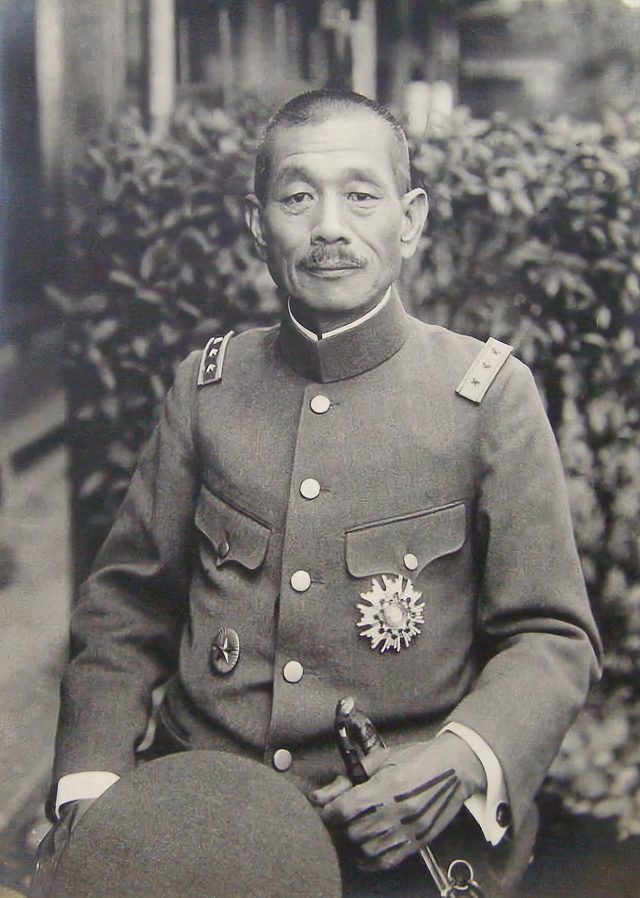
Members of the Pan-Asian Study Group had many debates about Japan's relationship with the Jews. The organization would eventually evolve into the Greater Asia Association, with General Iwane Matsui as its president. It aimed to establish partnerships with China while considering the prosperity of Asia as a whole. These four individuals who actively rescued Jews (Higuchi, Inuzuka, Matsui, and Sugihara) were all members of this association, with Higuchi and Inuzuka holding central positions.
Missionaries and Misinformation
Riggs also relied heavily on outdated evidence drawn from the accounts of US missionaries. History researcher Hisashi Ikeda questioned the authenticity of reports about Nanjing, particularly those based on hearsay from Western missionaries. He argued that "US missionaries, far from being neutral observers, actively supported Chiang Kai-shek's regime while seeking to promote Christianity." Moreover, they used the Nanjing Safety Zone to aid Chinese troops, forging the narrative of mass civilian killings.
The core allegations of the Nanjing Incident, particularly the claim that over 300,000 civilians were killed, emerged shortly after Japanese troops entered Nanjing on December 13, 1937. US missionaries, especially Miner Bates, played a pivotal role in spreading these claims. Bates, an advisor to the Chinese government, authored a memo that laid the foundation for many early reports.
The International Committee for the Nanjing Safety Zone, consisting of Western missionaries and observers, documented alleged atrocities. However, according to Ikeda, "many reports, including John Rabe's diary, were based on hearsay and lacked verification," casting doubt on their authenticity.
Even before the Japanese entered Nanjing, the Protestant Church in China had pledged its support to Chiang's New Life Movement. Missionaries, under the guise of protecting civilians, actively assisted the Chinese military. "In reality, the Nanjing Safety Zone was used as a base for fleeing Chinese troops," Ikeda noted. He added that many civilian deaths resulted from Chinese military activities within the zone, not direct actions by Japanese forces.
Aiding Chinese Forces
The narrative of mass killings spread quickly. On January 28, 1938, the Daily Telegraph and Morning Post reported the massacre of 20,000 people based on information from an anonymous missionary.
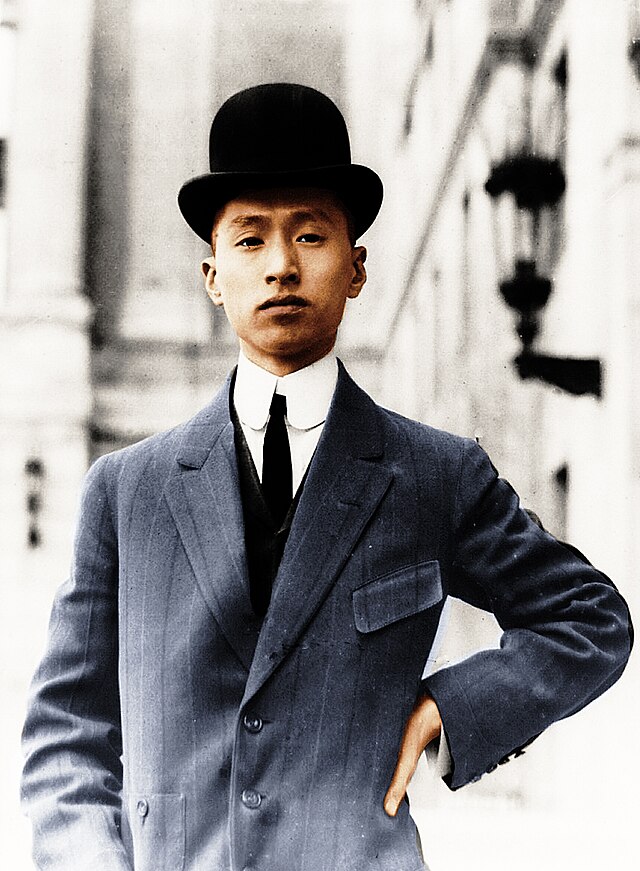
Chinese diplomat Wellington Koo, along with American writer Harold Timperley's book What War Means, played key roles in shaping global perceptions. Koo, representing China at the League of Nations, was instrumental in presenting the atrocities to the international community. Published in July 1938 and commissioned by the Chinese government's Central Propaganda Department, Timperley's book was specifically intended to influence Western opinion.
Both relied heavily on the testimonies of US missionaries like Bates, George Fitch, and John Magee. All three were central figures in the Nanjing Safety Zone. Despite their lack of operational records, Bates and Magee testified at the Tokyo Trials, perpetuating the figure of 300,000 civilian deaths.
Ikeda concluded that the Nanjing Safety Zone was "a mechanism to aid Chinese forces." Missionary James McCallum's confession that he participated in looting for Chinese soldiers reveals the reality behind these operations. After the zone's dissolution in February 1938, law and order returned to Nanjing, and the rumors of massacres began to fade.
RELATED:
- Nanjing Massacre: Where Did the 300,000 Death Toll Come From?
- 'The Rape of Nanking': Looking For the Spirit of 'Rashomon'
- Great Minds Don't Always Think Alike: Righting History and the Making of a New Japanese Textbook
Author: Daniel Manning




沒有留言:
張貼留言
注意:只有此網誌的成員可以留言。